
How to Choose the Right Power Generator for Your Needs?

Time:2026-10-27 Author:Ethan
0%

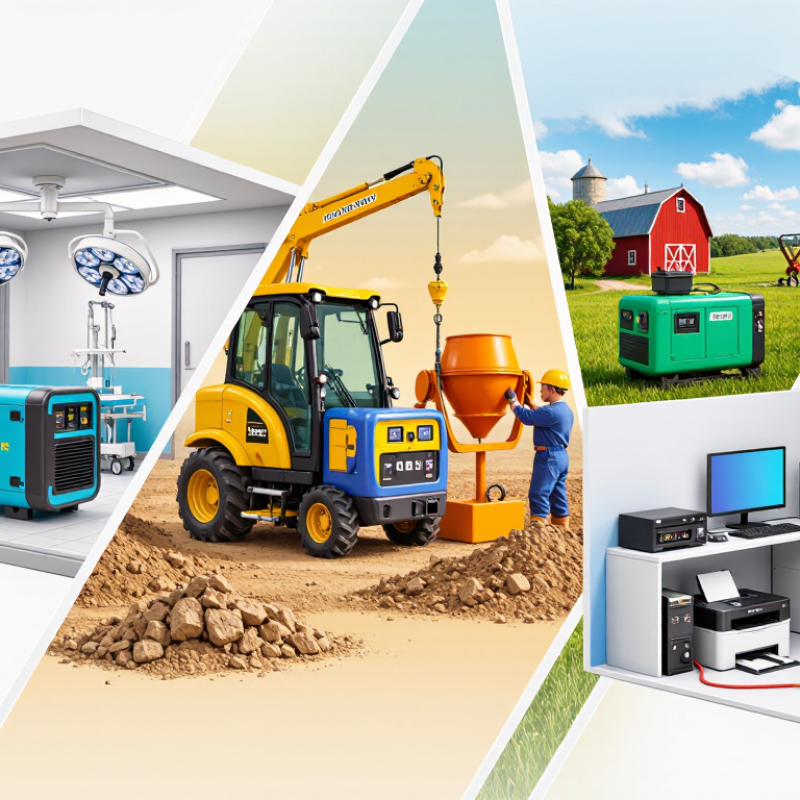
Choosing the right Power Generator is a practical decision, not a simple shopping exercise. A hospital, construction site, farm, and small office require different solutions. Load size matters, but so do starting currents, fuel access, noise limits, maintenance skills, and transfer-switch speed. A generator that runs basic lighting may fail when an air compressor or cooling system starts.

The International Energy Agency’s Electricity 2024 report expects global electricity demand to grow strongly through 2026. That pressure makes reliable backup power more important for businesses and critical facilities. The Uptime Institute’s Annual Outage Analysis has also reported that roughly one-quarter of serious outages can create losses above one million dollars. These figures show the cost of poor planning. They do not make every large generator the right choice.

As energy consultant and author Paul Breeze explains, “The best energy system is the one that matches the application.” That principle applies directly to generator selection. Diesel units often suit demanding, long-duration workloads. Natural-gas models can reduce onsite fuel storage. Battery systems may handle short interruptions quietly, though they cannot replace every conventional generator.

Real experience can expose uncomfortable gaps. A spreadsheet may show enough rated power, yet ignore altitude, heat, harmonics, or motor-starting demand. Begin with an actual load inventory. Record refrigerators, pumps, servers, heaters, and tools. Then add starting capacity and future growth. The perfect choice is rare. A documented, tested, and regularly maintained system is far more dependable than an oversized unit chosen by guesswork.
How to Choose the Right Power Generator for Your Needs?

Define Your Power Requirements

Choosing the right power generator begins with a clear definition of your actual power requirements. Do not start with the generator’s advertised maximum output. Start with your appliances.

Write every load down.

Record each device’s running wattage and starting wattage. Refrigerators, pumps, compressors, and power tools may need two or three times more power during startup. Add the running watts together, then identify the largest combined starting demand. A small workshop, for example, might use 1,800 running watts but require 4,000 starting watts when a pump and saw begin together.

Your estimate should reflect real use, not an ideal day. My first calculation once ignored a freezer starting while lights were already operating. The generator handled the average load, but the voltage briefly dropped. That mistake showed me why a 20–25 percent reserve matters. It gives motors room to start and leaves capacity for one unexpected device.

Check voltage, frequency, and phase requirements before choosing a unit. Sensitive electronics may need stable voltage and clean power. Also calculate the required runtime. A generator supporting a heater overnight needs different fuel capacity than one running a drill for twenty minutes. Consider noise, ventilation, weather exposure, and the installation location. Never operate an engine indoors or in an enclosed garage. Connection to building wiring should use approved equipment and a qualified electrician, because an incorrect connection can endanger workers and damage the electrical system.

How to Choose the Right Power Generator for Your Needs? - Define Your Power Requirements

Use running watts, starting watts, and a safety reserve to estimate the generator capacity required for each load.

Equipment or Load Typical Running Watts Typical Starting Watts Starting-Watt Increase Recommended Minimum Generator Output* Planning Notes
LED lighting circuit 100–300 W 100–300 W 0 W 300–400 W Confirm the total wattage of all lights that may operate at the same time.
Refrigerator or freezer 150–400 W 800–2,000 W 650–1,600 W 1,000–2,400 W Compressor loads require extra capacity during startup.
Sump pump 800–1,500 W 2,000–4,500 W 1,200–3,000 W 2,400–5,400 W Use the motor nameplate or manufacturer data when available.
Portable air conditioner 1,000–1,500 W 2,000–4,500 W 1,000–3,000 W 2,400–5,400 W Cooling compressors can create a substantial temporary surge.
Furnace or ventilation blower 400–800 W 1,000–2,000 W 600–1,200 W 1,200–2,400 W The control system may also require a small amount of continuous power.
Microwave oven 1,000–1,500 W 1,200–2,000 W 200–500 W 1,500–2,400 W Check the electrical input rating rather than the cooking-output rating.
Well pump 750–1,500 W 2,000–4,500 W 1,250–3,000 W 2,400–5,400 W Pump depth, motor size, and starting method affect actual demand.
Electric water heater 3,000–4,500 W 3,000–4,500 W 0 W 3,600–5,400 W High continuous demand; operate only if the generator is rated for the load.
Handheld power tools 800–1,800 W 2,000–4,500 W 1,200–2,700 W 2,400–5,400 W Avoid starting several motor-driven tools at the same time.
Electric range burner 1,500–2,500 W 1,500–2,500 W 0 W 1,800–3,000 W Calculate each burner separately and include only the burners used simultaneously.
Sizing method: Add the running watts of all appliances that may operate at the same time. Then add the largest starting-watt increase from the equipment that will start first. Choose a generator with at least 20% additional capacity for normal operating margin. Actual requirements vary by model, voltage, motor design, altitude, and temperature; use equipment nameplate ratings whenever possible.

Compare Generator Types and Fuel Options

Choosing a generator starts with the load, not the fuel tank. List essential appliances and record their running and starting wattage. A refrigerator may need a brief surge when its compressor starts. A portable inverter generator suits sensitive electronics because it produces stable, clean power. It is quieter and easier to move, but its output may limit heavy tools. Conventional portable generators usually deliver more power for less money. They can be louder and less efficient at light loads.

Standby generators remain connected to a building’s electrical system and start automatically during an outage. They are convenient, but installation requires qualified electrical work and local approval. Fuel choice changes storage, maintenance, and operating cost. Gasoline is widely available, yet it degrades during long storage and creates more starting problems. Propane stores longer and burns cleanly, although cold conditions can reduce performance. Diesel works well for frequent, demanding use, but the equipment is often heavier and more expensive.

I once focused too much on maximum wattage. That was a mistake. A generator running near its limit may overheat, especially in dusty outdoor conditions. Choose some spare capacity, then check fuel consumption at realistic loads. Keep fuel containers approved and ventilate exhaust away from doors and windows. Never operate a generator indoors, including garages or sheds. Noise ratings can also mislead; measure distance and surrounding surfaces before buying. The quietest specification may not feel quiet beside a bedroom.

Evaluate Capacity, Runtime, and Fuel Efficiency

Choosing the right power generator starts with a realistic load estimate, not the largest number on a sales sheet. List each appliance, its running watts, and its starting surge. Refrigerators, pumps, and compressors may briefly demand two to seven times their operating power. Add a 20% reserve for cold weather, aging equipment, and unexpected loads. Oversizing also wastes fuel.

Runtime depends on both tank size and load percentage. A 20-liter tank does not guarantee the same operating hours at 25% and 75% load. The U.S. Energy Information Administration’s 2024 Electric Power Monthly reports petroleum-fueled generation heat rates commonly near 10,000–11,000 Btu per kilowatt-hour. At diesel’s typical energy content, that equals roughly 0.07–0.08 gallons per kilowatt-hour under efficient conditions. Small generators can perform worse when lightly loaded. Load matters.

Fuel efficiency deserves a field check. Record the fuel added, operating hours, and measured electrical output during a practical test. Compare those figures with the manufacturer’s rated data and ISO 8528 operating classifications. The U.S. Environmental Protection Agency’s AP-42 guidance also shows why engine load affects fuel use and emissions calculations. I would not trust a single brochure figure. Ambient temperature, altitude, maintenance, and cable losses can change results. Measure twice. Then question the estimate.

How to Choose the Right Power Generator for Your Needs?

Evaluate Capacity, Runtime, and Fuel Efficiency

Representative values are based on common generator classes operating at approximately 50% load. Larger generators provide more output, while smaller inverter units generally offer longer runtime per litre. Actual performance varies with load, fuel type, maintenance, ambient temperature, and operating conditions.

Check Safety, Installation, and Portability

Choosing a power generator starts with safety, not wattage. The U.S. Consumer Product Safety Commission reported 1,012 non-fire carbon monoxide deaths linked to portable generators from 2011 to 2021. That risk is easy to underestimate. Operate a fuel-powered unit outdoors, at least 20 feet from buildings, with exhaust directed away from doors and windows. Never place it in a garage, basement, or covered patio. A carbon monoxide alarm adds protection, but it cannot replace distance and ventilation.

Installation also deserves professional attention. A qualified electrician should connect a standby generator through an approved transfer switch. This prevents dangerous backfeeding into utility lines. The National Fire Protection Association’s NFPA 70 requirements support this approach. Check grounding, fuel connections, circuit capacity, and local inspection rules before operation. Keep the manual nearby. Small details matter.

Portability means more than wheels. Measure the unit’s weight, handle height, storage space, fuel duration, and noise level. Calculate running watts first, then include the starting surge from pumps, refrigerators, or compressors. The U.S. Energy Information Administration reported that weather-related events caused most major power interruptions in recent years, so realistic outage planning matters. I would not choose the lightest model automatically. A compact generator may be easier to move, yet its short runtime can become frustrating during a long outage. My own checklist would include a test run under load, although I might still overlook one cable or fuel detail. That is why a second inspection is worthwhile.

Match Features, Budget, and Maintenance Needs

Choosing a generator starts with the load, but budget and maintenance often decide the purchase. List essential devices, not every appliance. A refrigerator may need 800 watts while starting, then use far less. A well pump can demand several times its running load. Add starting watts together, then leave a 20% capacity margin. Oversizing feels safe, but it increases fuel use and purchase cost.

The U.S. Energy Information Administration reported about 6.3 hours of electricity interruptions per customer in 2023, including major events. That figure supports backup planning, but it does not define your risk. A rural property may need longer runtime than a small office. Compare fuel cost, tank size, noise, transfer equipment, and service access. NFPA 110 guidance emphasizes dependable emergency power systems, regular testing, and documented maintenance. A generator that starts once is not proven reliable.

Maintenance is a budget line, not an afterthought. Ask about oil-change intervals, battery replacement, coolant checks, filter prices, and technician availability. Calculate annual service costs before comparing purchase prices. EIA fuel-price data can help estimate operating expenses, though local prices vary sharply. A spreadsheet can still lie. It may ignore cold starts, clogged filters, or forgotten fuel. Choose a unit that your staff can inspect safely and operate correctly. The cheapest option may become expensive when one replacement part is unavailable.

FAQS

How should I calculate the generator size I need?

List every essential appliance. Record its running and starting wattage. Add running watts together. Then check the highest combined starting demand. Leave about 20–25% spare capacity.

Why are starting watts important?

Motors can briefly need two or three times more power. Refrigerators, pumps, compressors, and saws create large surges. A pump and saw may demand 4,000 starting watts together.

What generator type suits sensitive electronics?

An inverter generator usually provides stable, clean power. It is quieter and easier to move. However, its output may not support heavy tools. Check the actual load.

When is a conventional portable generator more suitable?

It can provide higher output at a lower purchase cost. It may suit workshops and demanding tools. Expect more noise and poorer efficiency during light loads.

How do fuel options affect generator ownership?

Gasoline is easy to find but degrades during storage. Propane stores longer, though cold weather may reduce performance. Diesel suits frequent heavy use but often costs more and weighs more.

How long should a generator run before refueling?

Estimate the real runtime. A heater operating overnight needs more fuel than a drill used for twenty minutes. Check fuel consumption at realistic loads, not only advertised figures.

Where can I safely operate a generator?

Operate it outdoors, away from doors and windows. Never use it indoors, in a garage, or inside a shed. Keep exhaust away from people and enclosed spaces.

What maintenance costs should I consider?

Include oil changes, battery replacement, coolant checks, filters, and technician visits. Ask about local service access. A low purchase price can become expensive after one unavailable part.

How should I connect a generator to building wiring?

Use approved transfer equipment and qualified electrical work. Incorrect connections can damage the electrical system and endanger workers. Local approval may also be required. Do not improvise.

Conclusion

Choosing the right Power Generator begins with a clear understanding of your electricity needs. Identify the devices and equipment you plan to operate, calculate their starting and running wattage, and decide whether the generator will serve as emergency backup, a worksite power source, or a solution for outdoor activities. Next, compare generator types and fuel options according to availability, operating environment, noise levels, and convenience. Consider the required capacity, expected runtime, fuel efficiency, and the generator’s ability to handle changing loads without interruption.

Safety and practicality are equally important. Check installation requirements, ventilation needs, grounding features, portability, and ease of use before making a decision. Finally, compare useful features such as automatic start functions, outlets, monitoring systems, and overload protection with your budget and long-term maintenance expectations. A well-chosen generator should provide dependable performance, reasonable operating costs, and simple upkeep while matching both your immediate power demands and future needs.

Ethan

Ethan

Ethan is a seasoned marketing professional with a deep expertise in our company's innovative product line. With a passion for sharing knowledge and insights, he takes the lead in regularly updating our corporate blog, where he explores industry trends, product features, and effective marketing......