Primary Lineup
Specified Small Unit Power Generation Assets
Industrial-grade portable sets, silent acoustic-canopied units, and dual-purpose welder gensets built under ISO-audited protocols for continuous and standby utility.
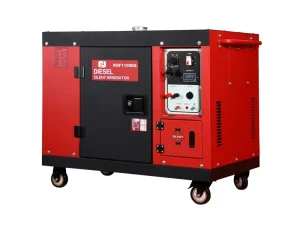
High-Quality Versatile and Powerful Portable Silent Generator Set KDF11000Q Supplier, Suppliers
Configure Unit
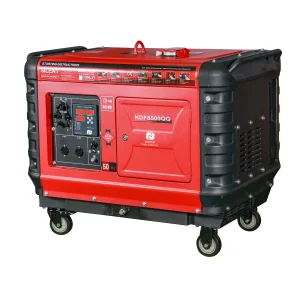
High-Quality Noise Reduction Technology Silent Generator Set KDF8500Q(-3) Suppliers, Exporter
Configure Unit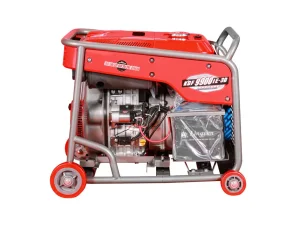
China Diesel variable frequency generator set KDF9900 Supplier, Service
Configure Unit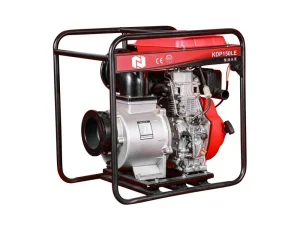
China High-Pressure Water Pumps: Versatile, Efficient, and Durable KDP150LE Suppliers, Exporter
Configure Unit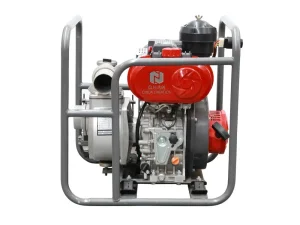
Cheap High-Performance High-Pressure Air-cooled Diesel Engine KD7 Supplier, Exporters
Configure Unit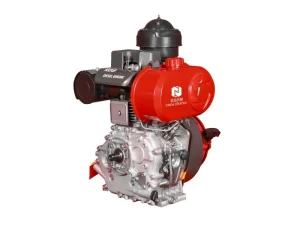
Cheap Single Cylinder Air-cooled Diesel Generator KD9 Supplier, Exporter
Configure Unit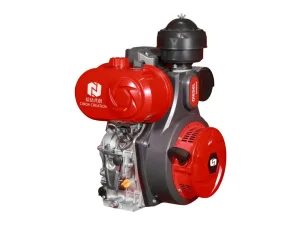
China Advanced Fuel Efficiency Diesel Generator Suppliers, Exporters
Configure Unit
100%
Load-Bank Bench Tested
≤ 68dB(A)
Super-Silent Acoustic Canopies
24/7
Technical Dispatch & Support
ISOCertified
9001 / 14001 / 45001 Compliance
Strategic Manufacturing Advantage
Chinese Manufacturing Ecosystem: Scale, Customization & Component Rigor
The contemporary procurement landscape for small unit generators demands more than simple assembly. As a specialized engineering exporter, Cinda Creation capitalizes on the deep industrial clustering within the Chinese high-precision equipment corridor, ensuring immediate access to advanced single- and twin-cylinder air-cooled diesel engines, cold-rolled copper brushless alternators, and advanced microprocessor digital governors.
By leveraging an integrated domestic supply network, our manufacturing cycle incorporates vertical manufacturing efficiencies—from high-pressure die-casting of engine blocks to automated electrostatic powder coating for corrosion-resistant canopies. This architecture eliminates tier-3 middleman costs, enabling international engineering contractors to obtain CE, EPA, and Stage V emission-compliant power solutions with accelerated fulfillment cycles.
- Full trace-ability of alloy grades, crankshaft forgings, and high-pressure fuel injectors.
- Comprehensive thermal shock and dynamic vibration testing prior to container dispatch.
- Multi-voltage modular winding configurations (110V, 220V, 230V, 380V, 440V @ 50/60 Hz).
Procurement Intelligence
Global Enterprise Procurement: Balancing TCO and Operational Resilience
Procurement directors within infrastructure, telecoms, and government civil defense segments face compounding headwinds: fuel inflation, volatile climate extremes, and stringent urban noise regulations. Sourcing small unit generators (3kVA to 15kVA) requires balancing capital expenditure (CAPEX) with lifetime operational expenditure (OPEX).
Modern procurement strategies prioritize units designed with total-cost-of-ownership (TCO) optimization. Single-cylinder and twin-cylinder diesel configurations surpass comparable gasoline units by delivering 28% to 35% higher thermodynamic efficiency, longer intervals between cylinder head overhauls, and reduced fuel volatility risks during international marine transit and long-term on-site storage.
Cinda Creation provides custom engineering bills of materials (BOM), enabling procurement managers to configure automated transfer switches (ATS), remote IoT telemetry monitoring, and specialized dual-fuel or high-dust filtration arrays according to project specifications.
Risk Mitigation & Field Assurance
Localization Support, Grid Compliance & Field Survivability
Overcoming jurisdictional regulatory barriers and harsh environmental variables through systematic design certification.
Stringent Regional Certification
Every small unit exported is structured to meet regional emission thresholds and electrical code safety mandates, including CE directives (Machinery 2006/42/EC, Low Voltage 2014/35/EU, EMC 2014/30/EU), ISO 8528 compliance for reciprocating internal combustion generator sets, and sound-power directives conforming to European outdoor noise regulations (2000/14/EC).
Extreme Environment Adaptation
From the arid, particulate-heavy atmospheres of Middle Eastern mining concessions to humid, saline equatorial marine sites, our units incorporate IP23/IP54 alternator protection, multi-stage cyclone pre-filters, internal space heaters to combat condensation, and marine-grade anti-corrosive primer finishes to guarantee cold-cranking and sustained full-load ratings.
Life-Cycle Spares & Local Support
Downtime in remote sites is prohibitive. Cinda Creation maintains comprehensive overseas parts mapping, providing critical fast-wear consumable kits (fuel filters, oil seals, AVR boards, and injector nozzles) packaged directly within freight containers. Our sales engineers offer localized commissioning schematics, video dispatch guidance, and 24-hour turnaround on technical service queries.
Technology Trajectory
Emerging Technology Trends Reshaping Small Unit Generators
An objective evaluation of power electronics integration, fuel decarbonization, and remote telemetry in small-capacity power plants.
Variable Frequency & Clean Power Synthesizing
Traditional mechanical governors respond sluggishly to reactive non-linear loads. The transition toward permanent magnet variable frequency gensets (such as the KDF9900 series) allows engines to alter rotational speeds according to instantaneous demand, cutting fuel consumption by up to 22% while providing a Total Harmonic Distortion (THD) under 3% suitable for sensitive telecoms and medical electronics.
Hybrid Microgrid Integration
Small units are no longer isolated workhorses. Future installations pair small 5kVA–10kVA diesel units directly with low-voltage lithium-iron-phosphate (LiFePO4) battery banks and photovoltaic solar strings. Smart dry-contact controllers automate genset starting only during battery low-state-of-charge (SoC) or peak clipping periods, dramatically extending engine operational lifespan.
Cellular IoT & Predictive Maintenance
Deploying generators across distributed cell towers or agricultural outposts creates maintenance challenges. The integration of compact NB-IoT and 4G communication modules directly onto digital engine controllers empowers operators to monitor fuel levels, battery voltage, operating hours, oil degradation indicators, and thermal curves from a unified dashboard.
Engineered Field Deployments
Localized Application Scenarios: Engineered for High-Friction Demands
Specific field configurations mapped to commercial, industrial, and emergency protocols across four continents.
Off-Grid Telecom Tower Sites
Unattended telecom base stations require continuous DC rectifier charging and cooling power under zero-grid conditions. Silent units with extended 24-liter base fuel tanks and auto-restart ATS functionality safeguard BTS connectivity in rural terrain.
Field Fabrication & Pipeline Repair
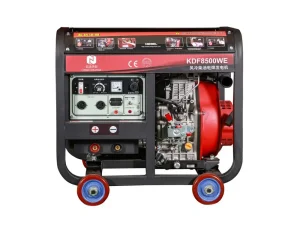
Dual-function mobile units like the KDF8500WE combine 5kW of auxiliary AC power with integrated high-amp DC stick and TIG welding outputs, eliminating the need to haul separate welding inverters to remote pipeline sections.
Agricultural Irrigation & Drainage
Air-cooled single-cylinder engines coupled to high-pressure centrifugal pumps (KDP150LE) deliver fuel-efficient water conveyance in off-grid farmlands, providing flood defense and pressurized irrigation without electrical infrastructure.
Clinic Standby & Cold-Chain Preservation
Rural health facilities require immediate auto-start backup upon mains failure to sustain vaccine refrigeration, lighting, and surgical monitoring. Low-noise canopies ensure compliance with sensitive medical operational guidelines.
Technical Authority
Frequently Asked Questions: Sourcing, Sizing & Operation
Clear, engineering-focused guidance addressing the most common technical inquiries from enterprise procurement officers.
How do air-cooled small diesel units perform compared to liquid-cooled models in continuous high-ambient settings?
Air-cooled units offer major logistical benefits for small power brackets (3kVA to 12kVA), as they eliminate water jackets, radiators, hoses, and coolant maintenance that typically fail in harsh desert environments. However, air-cooled engines rely heavily on unrestricted ambient air intake and exhaust circulation. When operating in ambient environments exceeding 40°C, a derating factor of approximately 1% per 5°C above standard rating must be accounted for during load calculation to prevent cylinder head overheating.
What is the calculation standard for starting inductive electric motor loads with a small generator set?
Inductive loads (such as submersible water pumps, air conditioners, and compressors) exhibit heavy inrush starting currents, often 3 to 5 times their rated operating amperage. When sizing a generator, the starting kVA requirement must not exceed the surge (standby) capacity of the alternator. For direct-on-line (DOL) motor starting, we recommend multiplying the motor’s rated kW by a factor of 2.5 to 3.0 to select the correct generator kVA rating to prevent instantaneous alternator voltage collapse.
Can dual-function welding generator sets handle simultaneous auxiliary power output while welding?
In units like the KDF8500WE and KDF6700WE, the internal dual-winding architecture is optimized to prevent voltage instability. However, total mechanical output is constrained by the engine's brake horsepower (BHP). While minor auxiliary loads (such as handheld angle grinders or LED work lights up to 1.5kW) can be operated concurrently with medium-amperage welding rods, running full auxiliary load while maintaining maximum arc amperage will trigger internal thermal protection to safeguard the winding integrity.
What documentation and packing standards are implemented for cross-border containerized transport?
All units are pre-tested at our factory with load-bank benches and completely drained of volatile fluids (fuel and engine lube oil) to comply with international maritime dangerous goods (IMDG) standards for dry-cargo shipping. Sets are sealed in anti-moisture VCI barrier bags, encased in shock-absorbent multi-layer honeycomb cartons or ISPM-15 compliant fumigated wooden crates, and accompanied by individual factory inspection certificates, wiring schematics, and bilingual user manuals.
What is the standard warranty claim resolution procedure for international buyers?
Cinda Creation offers an inclusive 12-month or 1,000-running-hour warranty from the date of site commissioning. In the event of a field component failure, buyers provide digital operational logs and photographic/video evidence. Upon engineering review within 24 hours, replacement components (such as AVRs, starter solenoids, or fuel pumps) are dispatched via international air express at our expense, backed by remote video guidance from our mechanical engineering staff.
Fleet & Standby Range
Commercial Standby & Ultra-Quiet Mini Generator Sets
Explore heavy-duty wind-cooled architectures, quiet residential enclosures, and compact prime-power generators for commercial reliability.
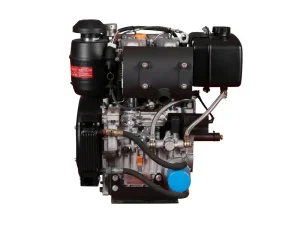
Cheap KD292F-Wind -cold Reliable Diesel Generators for Uninterrupted Power Suppliers, Exporters
Configure Unit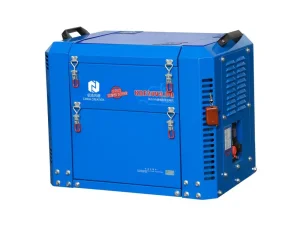
Cheap KDF24V3.0Q Quiet Operation Diesel Generators for Peaceful Environments Suppliers, Service
Configure Unit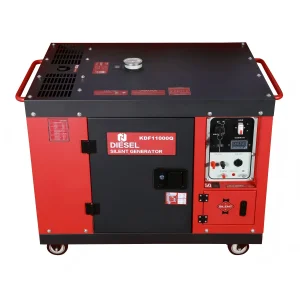
Cheap Powerful silent small diesel generator sets Low Noise for Camping and Home Suppliers, Exporter
Configure Unit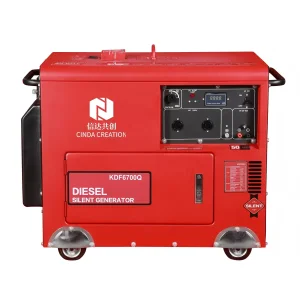
Cheap Versatile KDF6700Q Quiet Generator Set Portable Power Source 4.5kVA 5.0kVA Exporters, Service
Configure Unit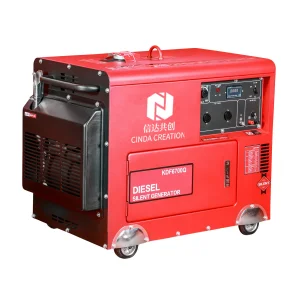
High-Quality Diesel generator sets suitable for sensitive areas High-quality power guarantee solution Low noise Supplier, Exporter
Configure Unit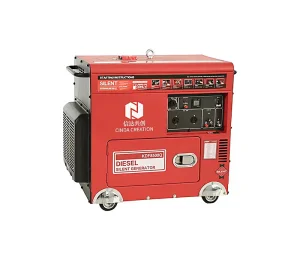
High-Quality Quiet 7.5KVA Diesel Generator Reliable Power Minimal Noise for Building Backup Power Exporter, Service
Configure Unit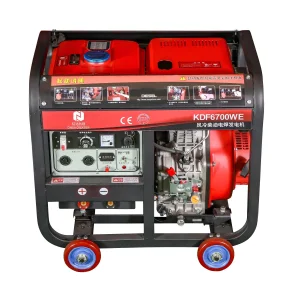
High-Quality Reliable KDF6700WE Electric Welding Diesel Generator Set Protable Suppliers, Exporter
Configure Unit