
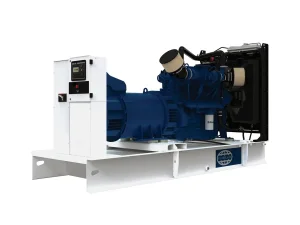
Prime Dispatch Units
Engineered Heavy-Duty Generators & Powertrain Systems
Certified high-availability generator sets and engine configurations engineered for commercial backup, industrial prime utilities, and severe continuous duty cycles.
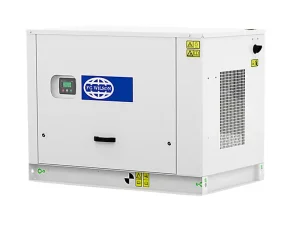
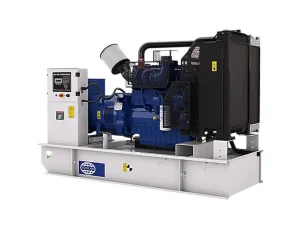
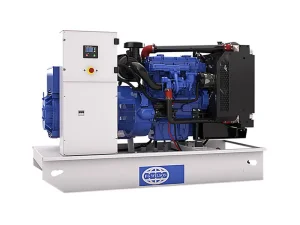
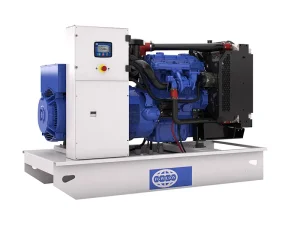
Market Dynamics & Global Operational Scale
Balancing Budget Constraints with Zero-Defect Heavy Powertrains
Modern enterprise procurement mandates that purchasing a "cheap Cummins engine" does not mean accepting inferior build standards. Through licensed joint venture sourcing (DCEC, CCEC) and precision supply chain logistics, we bridge cost economics with authentic Cummins torque curves, high displacement efficiency, and international emissions compliance.
42%
Average CapEx Savings via JV Manufacturing
15,000+
Operating Hours Between Major Overhauls (B10 Life)
99.8%
First-Time Crank Reliability on Critical Loads
180+
Countries Covered by Technical Support Networks
Global Sourcing Synergy
Direct integration with Dongfeng Cummins (DCEC) and Chongqing Cummins (CCEC) assembly lines guarantees OEM build tolerances while eliminating non-essential distributor markups.
Tier-1 Mechanical Reliability
Cast-iron structural blocks, forged-steel crankshafts, and advanced high-pressure common rail (HPCR) technology provide unmatched thermal resistance under 100% step-load demands.
Stringent Quality Verification
Every engine and integrated generator set undergoes rigorous load-bank simulation testing up to 110% overload capacity to verify thermal equilibrium before ocean containerization.
Fast-Track Spares Logistics
Immediate dispatch of genuine consumables, cylinder liners, piston kits, injectors, and turbochargers ensures zero downtime across mining, telecommunications, and marine assets.
Technical White Paper • Section 01
Cummins Engine Technological Trends & Procurement Demands
An authoritative engineering analysis of fuel optimization paradigms, emissions trajectories, and total-cost-of-ownership (TCO) matrices in modern power generation.
1. The Paradigm Shift: Redefining "Cheap" in Industrial Heavy Machinery
In global industrial equipment markets, the descriptor "cheap" historically carried connotations of compromised metallurgical purity, outdated mechanical governors, or counterfeit assembly. However, the macroeconomic engineering landscape of the past decade has completely transformed this concept. Today, seeking a cheap Cummins engine supplier is an exercise in strategic asset management—procuring authentic, licensed Cummins powertrains manufactured in hyper-efficient, technologically advanced joint-venture facilities such as Dongfeng Cummins Engine Co. (DCEC) and Chongqing Cummins Engine Co. (CCEC).
By leveraging China's integrated manufacturing supply chains, precision automated CNC tooling, and localized raw material processing, enterprises can acquire factory-new, fully certified Cummins B, C, L, M, N, K, and Q series engines at 30% to 45% lower capital cost than Western-assembled equivalents, without sacrificing any fraction of the legendary Cummins reliability or engineering heritage.
Key Engineering Takeaway: Capital expenditure (CapEx) reduction on the primary prime mover does not compromise operating expenditure (OpEx). Genuine joint-venture Cummins platforms maintain exact component cross-compatibility with global Cummins parts networks, preserving ISO 8528 transient response, low brake specific fuel consumption (BSFC), and certified mean-time-between-failures (MTBF).
2. Global Procurement Drivers: Reliability, Modular Scaling, and Emissions Compliance
Procurement directors and chief plant engineers from Latin America, Southeast Asia, the Middle East, Central Asia, and Africa face severe operational constraints. They require robust powertrains that can tolerate variable-quality diesel fuel, operate in ambient temperatures exceeding +50°C or sub-zero Siberian chills (-40°C), and run continuously without unpredicted thermal throttling. The global procurement demands focus on four core operational axes:
| Series / Platform | Displacement & Power Range | Fuel System Architecture | Target Industrial Application | TCO Advantage Profile |
|---|---|---|---|---|
| Cummins 4BT / 6BT / 6CT (DCEC) | 3.9L – 8.3L | 25 kVA – 250 kVA | Bosch Mechanical In-line / Rotary | Construction Machinery, Standby Telecom, Agriculture | Ultra-low initial cost, zero electronic ECU vulnerabilities, simple field serviceability. |
| Cummins 6LTAA / QSL9 (DCEC) | 8.9L | 200 kVA – 375 kVA | Bosch Common Rail (HPCR) / CAPS | Commercial Real Estate, Hospitals, Prime Continuous Power | Optimal thermal efficiency, superior kW-to-weight ratio, rapid step-load acceptance. |
| Cummins NT855 / NTA855 (CCEC) | 14.0L | 300 kVA – 500 kVA | Cummins PT (Pressure-Time) Mechanical | Deep Mining, Remote Microgrids, Heavy Marine Propulsion | Legendary mechanical ruggedness, tolerates high sulfur fuels, indestructible cast design. |
| Cummins KTA19 / KTA38 / KTA50 (CCEC) | 19L – 50L | 500 kVA – 2250 kVA | Cummins PT Injectors / Dual Turbocharged | Hyperscale Data Centers, Heavy Drilling, Utility Substations | Megawatt-scale prime capability, individual cylinder heads for fast modular rebuilds. |
By establishing rigorous procurement benchmarks, multinational engineering conglomerates eliminate the hazards of unverified gray-market equipment, ensuring that every low-cost engine purchase includes factory test certificates, verifiable serial codes, and full warranty compliance.
Engineering Framework • Section 02
Macro Industry Solutions: Mission-Critical Deployments
Tailored generator packaging, automated synchronization, and specialized thermal enclosures engineered to solve macro-scale power infrastructure dilemmas.
Tier III & IV Hyperscale Data Centers
Data infrastructure demands 10-second automatic mains failure (AMF) starting times and 100% single-step block loading. Our Cummins KTA50 and QSK-series packages integrate digital automatic voltage regulators (DVR) and permanent magnet generators (PMG) to eliminate harmonic distortion, meeting Uptime Institute continuous rating criteria at significantly reduced capital outlay.
Remote Mining & Heavy Extraction
Mines in Chile, Australia, and Sub-Saharan Africa require continuous off-grid electrification with zero tolerance for downtime. Utilizing heavy mechanical NTA855 and KTA38 configurations equipped with heavy-duty dual Donaldson cyclonic air filtration and high-capacity oil sumps allows 500-hour service intervals in extreme dust and grit conditions.
Severe Ambient Enclosures (Deserts & Arctic)
Deployments in the Arabian Gulf or equatorial zones suffer severe power derating due to intake air temperatures over 50°C. We engineer customized 50°C heavy-duty tropical radiators, oversized core cooling systems, and specialized acoustic enclosures that suppress noise below 75 dBA at 1 meter without restricting volumetric airflow.
Engineering Framework • Section 03
Localized Engineering Support, Overhaul Protocols & Compliance
Uncompromising field maintenance standards, diagnostic tooling, and international environmental compliance frameworks.
Precision Lifecycle Maintenance: Extending B10 Durability Beyond 20,000 Hours
A low acquisition price only translates into genuine enterprise value when coupled with systematic preventive maintenance and structured overhaul execution. Our engineering service protocols follow factory-calibrated intervals tailored to operating conditions:
Daily • Level 1 Maintenance
Oil & coolant level audit, air restriction indicator verification, fuel-water separator drain, battery terminal impedance inspection, and visual leakage sweep.
250–500 Hrs • Level 2 Service
Lube oil replacement (API CI-4/CK-4 standard), full primary/secondary fuel filter change, coolant DCA4 chemical balance check, and valve lash clearance adjustment.
10,000–15,000 Hrs • Major Overhaul
Complete teardown: cylinder liner honing, crankshaft micro-polishing, piston ring set replacement, turbocharger balancing, and PT fuel pump dyno recalibration.
Global Compliance and Environmental Directives
Operating a diesel generator network requires adherence to multifaceted cross-border regulatory frameworks. Depending on your destination country, our engineering team configures Cummins powertrains to meet ISO 8528 Class G2/G3 electrical performance standards, CE machinery directives 2006/42/EC, ISO 9001 quality metrics, and appropriate emissions strata:
For unregulated or emerging industrial zones across South America, Central Africa, and the CIS region, non-electronic mechanical engines (Fuel Optimized / EPA Tier 1 / Tier 2 equivalents) remain the superior choice due to their resilience against high-sulfur contaminated fuel (>500 ppm). Conversely, for regulated metropolitan hubs and urban commercial projects, we supply high-pressure common rail platforms coupled with Selective Catalytic Reduction (SCR) and Diesel Particulate Filters (DPF) that achieve stringent EU Stage IIIA, Stage V, and US EPA Tier 3/4 standards without compromising transient load responsiveness.
Future Architecture • Section 04
Technology Roadmap: Hybridization, Dual-Fuel & AI Telematics
Integrating legacy combustion dominance with intelligent digital predictive controls, microgrid synchronization, and low-carbon synthetic fuels.
AI Predictive Telematics & Remote ECU Diagnostics
Modern Cummins powertrain integration utilizes CANbus J1939 telemetry edge gateways. Real-time sensory data—including oil pressure drop trends, exhaust gas temperature (EGT) variance per cylinder, vibration harmonics, and coolant cavitation—are streamed directly to enterprise dashboards. Machine learning algorithms predict fuel injector coking and bearing fatigue hundreds of hours before catastrophic failure occur.
Dual-Fuel (CNG/LNG) Retrofits & Biofuel Readiness
To reduce operational fuel expenditures by up to 60%, our engineering center deploys automated dual-fuel fumigation kits for large Cummins platforms (KTA19/KTA38). Systems dynamically substitute up to 70% of diesel fuel with compressed natural gas or LNG without derating brake power. Furthermore, all DCEC/CCEC engines are 100% validated for Hydrotreated Vegetable Oil (HVO) and B20 biodiesel blends.
Microgrid Hybridization (BESS Integration)
The future of uninterrupted power generation relies on pairing mechanical Cummins gensets with Battery Energy Storage Systems (BESS) and photovoltaic arrays. Operating generator sets at loads under 30% causes catastrophic wet-stacking and bore glazing. Our intelligent hybrid microgrid controllers cycle the engine strictly within its peak fuel-efficiency sweet spot (70%–85% load), charging lithium iron phosphate (LiFePO4) storage banks and slashing net diesel consumption.
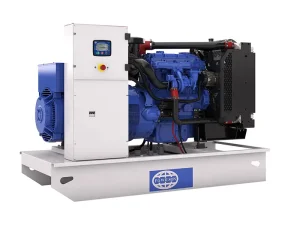
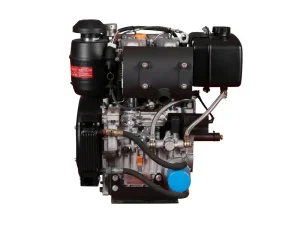
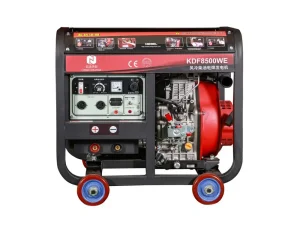
Modular Heavy Inventory
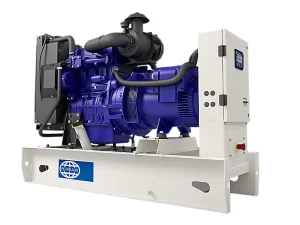
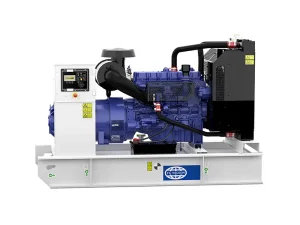
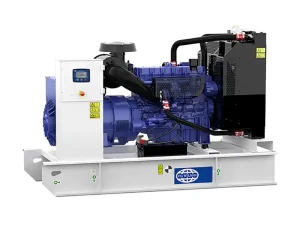
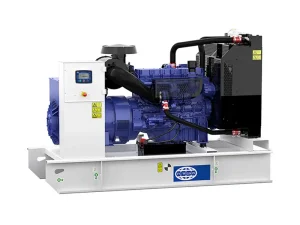
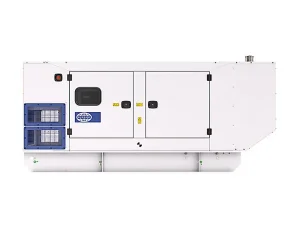
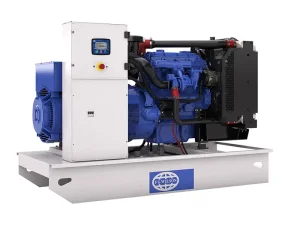
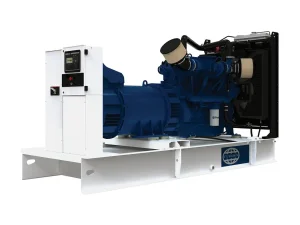
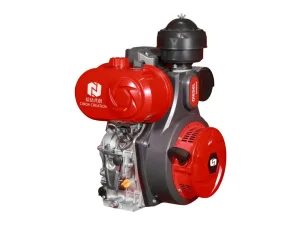
Continuous Duty Gensets, Open Frame Units & Welder Generators
Browse the extended fleet of factory-tested power plants ready for prompt global sea-freight dispatch from our primary transit hubs.
Direct Answers • Semantic FAQ
Frequently Asked Questions: Commercial & Engineering Due Diligence
Critical insights for procurement managers evaluating cheap Cummins engine supply, serial traceability, load sizing, and warranty security.
How can an authentic Cummins engine be priced 35% lower than European/US retail?
The cost discrepancy stems entirely from economies of scale and joint venture operational models. Dongfeng Cummins (DCEC) and Chongqing Cummins (CCEC) produce hundreds of thousands of engines annually within fully integrated Chinese industrial ecosystems. With localized raw material refining, casting, machining, and logistics, production costs decrease dramatically. You receive the exact same certified metallurgy, Bosch/Cummins fuel systems, and global serial number registry as units built in Indiana or the UK, but without transatlantic import tariffs and multi-tiered retail distribution markups.
How do we verify that the delivered engine is an authentic Cummins rather than a cloned replica?
Every genuine Cummins engine features an engraved steel dataplate stamped with a unique 8-digit engine serial number (ESN). This serial number can be verified directly via Cummins QuickServe Online (QSOL). The system confirms the manufacturing plant, exact build bill of materials (BOM), piston crown specifications, and assembly timestamp. Furthermore, our shipments include official factory test reports detailing oil pressure, fuel consumption, and full thermal dynamometer test logs.
What is the practical sizing difference between Standby, Prime, and Continuous Power?
According to ISO 8528-1: Standby Power (ESP) is rated for emergency outage duration with a maximum 70% average load factor over 24 hours, with no overload capacity. Prime Power (PRP) allows unlimited annual operating hours with varying loads, tolerating a 10% overload for 1 hour within every 12 hours of operation. Continuous Power (COP) applies to continuous 100% constant baseload applications (such as utility power generation or deep-shaft mining). Sizing an engine on Standby for a Prime application results in accelerated liner wear and premature failure.
Can cheap Cummins mechanical engines operate reliably on high-sulfur diesel fuel?
Yes. Legacy mechanical systems like the Cummins PT fuel system on NTA855, KTA19, and KTA38 engines, as well as Bosch inline A/P mechanical pumps on 4BT/6BT platforms, are extraordinarily forgiving. They can seamlessly burn standard industrial diesel containing 500 to 2,000+ ppm sulfur. High-pressure common rail (HPCR) engines, by contrast, require ultra-low sulfur diesel (≤15 ppm) to prevent acid degradation inside common rail plungers and exhaust catalyst clogging.
What warranty security and replacement parts coverage are provided?
All complete generator sets and powertrain assemblies are backed by a standardized 12-month or 1,000-running-hour warranty from initial commissioning date (extendable to 24 or 36 months for prime data center projects). Because components are built to universal Cummins global part numbers (e.g., Fleetguard filters, Holset turbochargers, Valvoline Premium Blue oil standards), replacement consumables and overhaul kits are immediately accessible in virtually any major commercial seaport globally.
What ambient factors necessitate engine power derating?
Engine output diminishes with increased altitude and ambient temperature due to reduced air density. As a baseline rule, diesel engines begin derating above 1,000 meters elevation (typically 3% to 4% per 300 meters) and above 40°C ambient temperature (approx. 1% to 2% per 5°C increment). For high-altitude mining or desert operations, our engineering team implements customized oversized turbocharger compressors and high-volume cooling packages to maintain nominal nameplate kW output without thermal throttling.