
Standard Industrial & Silent Generating Systems
Engineered to satisfy demanding continuous prime and emergency standby duty cycles, our catalog incorporates high-reliability Perkins, FG Wilson, and localized prime-mover configurations verified under full-load testing parameters.
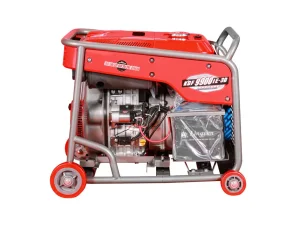
China Diesel variable frequency generator set KDF9900 Supplier, Service
View Specifications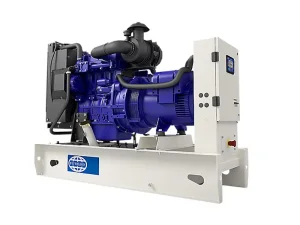
China Wilson Open Type Small Diesel Generator Sets 230 V, 50 Hz P16-1 Supplier, Exporter
View Specifications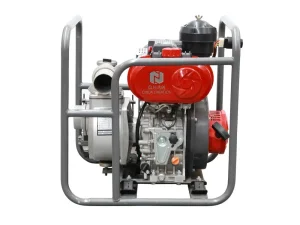
Cheap High-Performance High-Pressure Air-cooled Diesel Engine KD7 Supplier, Exporters
View Specifications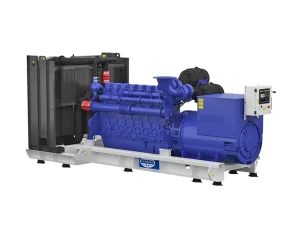
Cheap Large Range >800 kVA High-Performance Generators for Diverse Industries P1100-1 Supplier, Exporter
View Specifications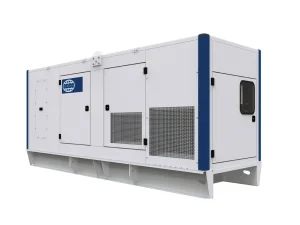
Cheap FG Wilson High-Performance Generators for Diverse Industries P850-1 Supplier, Suppliers
View Specifications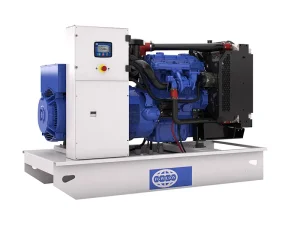
Cheap Wilson Small Type Low Noise Power System P55-4 Supplier, Exporter
View Specifications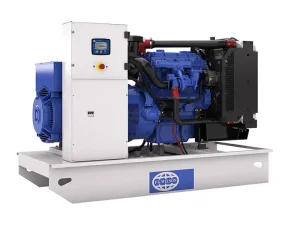
Cheap Wilson 90KVA Industrial Power Generator Small Range <220 kVA P90-3S Supplier, Suppliers
View Specifications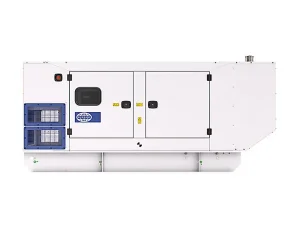
China FG Wilson Generator Set Medium Range 225 – 938 kVA P300-4 Suppliers, Exporters
View SpecificationsMacroeconomic Landscape of Global Diesel Silent Power
Decentralized energy demands, grid instability across developing manufacturing corridors, and stringent municipal acoustic mandates have reshaped modern generator procurement.
Grid Volatility & Commercial Continuity
Rapid urbanization and high-density industrial parks across Southeast Asia, Africa, and Latin America face recurrent peak-demand utility brownouts. Silent generating units mitigate operational loss through immediate sub-10-second automatic transfer switch (ATS) engagement.
Stringent Urban Acoustic Regulations
Modern residential zones, private health facilities, and telecom installations legally forbid traditional open-frame genset decibel outputs. Sound-attenuated, multi-chamber silencer enclosures have transitioned from optional add-ons to mandatory capital investments.
Total Cost of Ownership (TCO) Rebalance
Global procurement teams prioritize total cost per kilowatt-hour over initial unit price. The convergence of electronic common rail systems, thermal efficiency, and precision manufacturing ensures reduced fuel consumption across tens of thousands of operating hours.
Chinese Industrial Manufacturing & Cost-Efficiency Architecture
The global reputation of Chinese diesel generator exporters has fundamentally shifted from price-centric mass manufacturing to technology-integrated, high-precision engineering. Through tightly clustered industrial supply ecosystems in Shandong, Jiangsu, and Beijing, manufacturers minimize overhead while advancing acoustic and structural standards.
Advanced acoustic engineering incorporates high-density flame-retardant rock wool insulation, labyrinth air-inlet dampening corridors, and automotive-grade electrostatic powder coating. This ensures prolonged corrosion resistance in high-humidity, marine, and industrial chemical atmospheres.

Field Deployment Profiles & Localized Scenarios
Silent diesel generator systems operate across vastly divergent environmental and operational profiles. System engineers must match physical enclosure design to localized environmental stresses.
Healthcare & Diagnostics
Ultra-low noise profiles (<68 dBA at 1 meter) equipped with dual electronic governors to prevent voltage harmonics from degrading sensitive imaging and life-support electronics during grid transitions.
Telecommunications & Remote Edge
Self-contained base stations featuring 500-liter extended fuel cell tanks, anti-theft recessed locking hardware, and remote IoT telematics via RS485/Modbus for unmanned monitoring in desert or mountainous terrains.
Extreme Temperature & High Altitude
Custom radiator packages paired with heavy-duty jacket water heaters for sub-zero starts (-25°C), alongside derating compensation systems engineered for thin atmospheric density above 2,500 meters.
Heavy Construction & Mining
Structural skid bases with oversized forklift pockets, central crane lifting lugs, heavy internal exhaust silencers, and three-stage Donaldson air filtration to withstand abrasive mineral dust clouds.
Emerging Technology Trends & Corporate Evaluation Criteria
The global generation market is navigating rapid integration with hybrid renewable arrays, stricter particulate filters, and comprehensive digital fleet telemetry.
Hybrid Microgrid Synchronization
Modern silent gensets are increasingly configured as dispatchable spinning reserve paired with commercial solar photovoltaic (PV) and Battery Energy Storage Systems (BESS). Intelligent controllers modulate generator load ratios to prevent carbon buildup caused by prolonged operation below 30% capacity.
Emissions & Stage V / Tier 4 Compliance
Export markets across the European Union and North America necessitate sophisticated Selective Catalytic Reduction (SCR) and Diesel Particulate Filters (DPF). Suppliers balance cost advantages by providing modular exhaust configurations that adhere directly to import jurisdiction emission levels.
Rigorous Factory Acceptance Tests (FAT)
Corporate EPC engineering standards demand documented, step-by-step load bank testing (0%, 25%, 50%, 75%, 100%, and 110% overload conditions). Evaluating transient response curves, bearing temperature rises, and harmonic distortion (THD < 3%) forms the core benchmark of supplier credibility.
High-Capacity Industrial & Mission-Critical Fleet
Engineered for high-demand municipal infrastructure, containerized installations, and continuous utility-grade generation requirements worldwide.
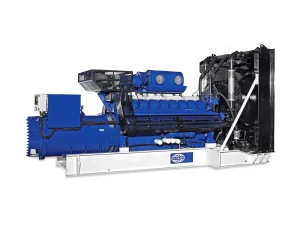
Cheap Fg Wilson Industrial Diesel Generator Set (800-2500kva) P1875-1 Exporter, Service
View Specifications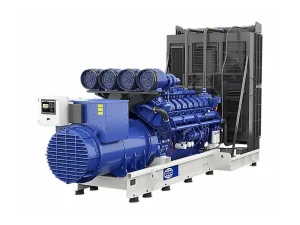
High-Quality Fg Wilson 800-2500kva diesel generator set P1500-1 Supplier, Exporters
View Specifications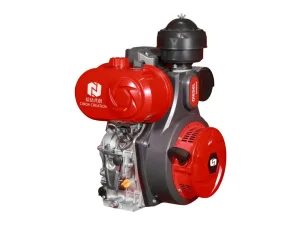
China Advanced Fuel Efficiency Diesel Generator Suppliers, Exporters
View Specifications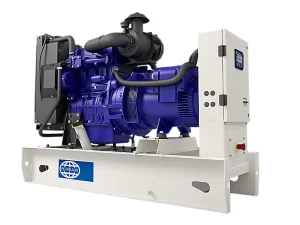
High-Quality Wilson Small Range <220 kVA Silent Power Generator P12-1S Exporter, Service
View Specifications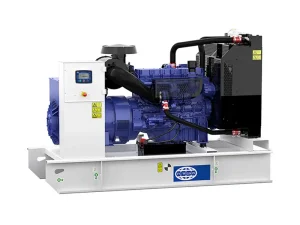
China FG Wilson Generator Sets Power You Can Trust Small Type P200-3 Supplier, Service
View Specifications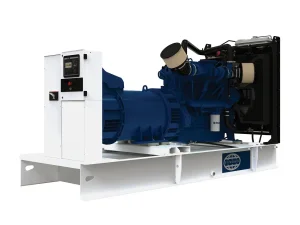
Cheap Fg Wilson 938KVA Large Capacity Generator Set Suitable For Large Facilities P938-1 Exporters, Exporter
View Specifications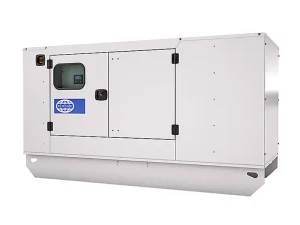
China Wilson Small Type Reliable Backup Power Generator P55-3 Supplier, Exporter
View Specifications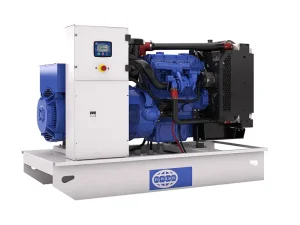
High-Quality Wilson Open Type Diesel Generator Sets Small Range <220 kVA P40-3S Suppliers, Service
View SpecificationsStandard Industrial Diesel Genset Specifications
Reference technical parameters across common frame sizes to guide electrical engineers and procurement specialists during baseline system sizing.
| Series / Output Class | Prime kVA (50Hz) | Standby kVA (50Hz) | Fuel Rate (100% Load) | Standard Enclosure Noise | Aspiration Type |
|---|---|---|---|---|---|
| Small Range (P12 – P55) | 11.0 – 50.0 kVA | 12.5 – 55.0 kVA | 3.8 – 11.2 L/hr | 64 – 67 dBA @ 7m | Naturally Aspirated / Turbo |
| Mid Range (P65 – P250) | 60.0 – 230.0 kVA | 65.0 – 250.0 kVA | 14.5 – 51.0 L/hr | 68 – 72 dBA @ 7m | Turbocharged Air-to-Air |
| Heavy Commercial (P300 – P938) | 275.0 – 850.0 kVA | 300.0 – 938.0 kVA | 62.0 – 185.0 L/hr | 72 – 76 dBA @ 7m | Turbocharged Aftercooled |
| Industrial Megawatt (>800 kVA) | 800.0 – 2250.0 kVA | 900.0 – 2500.0 kVA | 195.0 – 480.0 L/hr | 75 – 79 dBA (Containerized) | Twin Turbocharged Electronic Injection |
Frequently Asked Questions on Industrial Genset Procurement
Comprehensive answers derived from thousands of international export deployments, covering mechanical sizing, acoustic standards, and international shipping protocols.
What is the operational distinction between Prime (PRP) and Standby (ESP) ratings?
How does acoustic canopy geometry achieve decibel attenuation without engine overheating?
What factors must be evaluated when converting kW to kVA for three-phase installations?
How are silent generator sets packaged and protected for transoceanic maritime freight?
What after-sales warranty frameworks and parts supply lines govern direct China exports?
Initiate Technical Configuration & Direct Factory Quotation
Speak directly with Beijing and regional factory electrical application engineers to match load profiles, acoustic standards, and international shipping parameters for your project schedule.