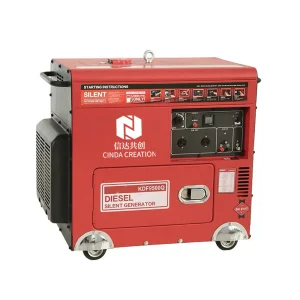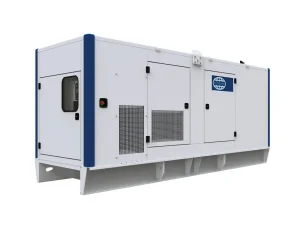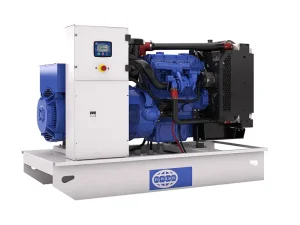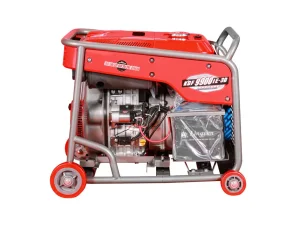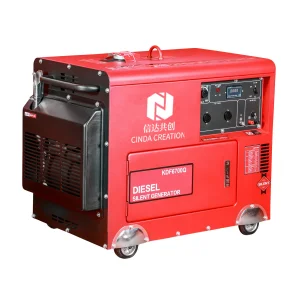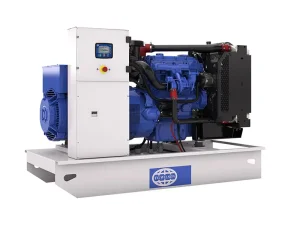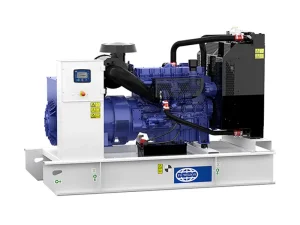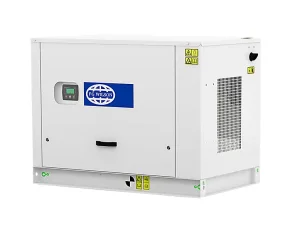
Featured Power Generation Assemblies (1–8)
Verified diesel gensets, compact prime modules, and open-frame solutions engineered for industrial continuous duty and standby commercial backup.
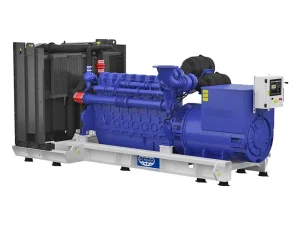
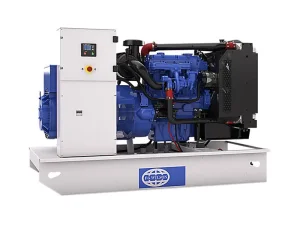
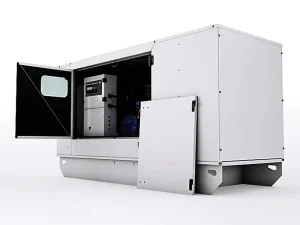
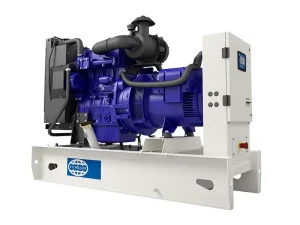
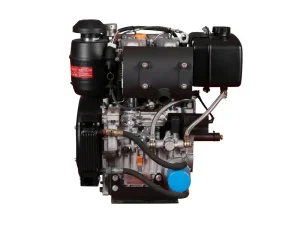
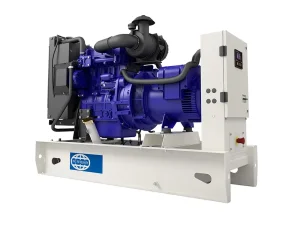
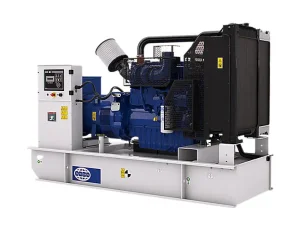
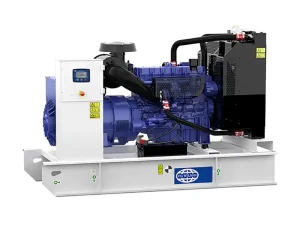
Global Landscape & Industrial Realities of Small Electric Generator Pricing
Navigating global supply chains, emission mandates, and localized pricing drivers across commercial distributed networks.
Global Cost Disruption
International industrial procurement for small electric generators (7.5 kVA to 220 kVA) has seen major shifts. Sourcing cheap small electric generator prices requires understanding raw component inputs: electrical-grade silicon steel sheet laminations, copper rotor winding mass, and structural anti-vibration skid framing.
Qualified exporters leverage regional production efficiencies, advanced tooling, and lean supply ecosystems in hubs like Beijing to provide reliable, competitively priced power units.
Ex-Factory Baseline vs Landed Cost
B2B procurement professionals must analyze the complete Capital Expenditure (CAPEX) versus Total Cost of Ownership (TCO). A lower ex-factory price tag can be offset by poor fuel efficiency, non-compliant exhaust standards, or scarce replacement parts.
Working with experienced exporters like Beijing Xinda Creation Machinery Equipment Co., Ltd. ensures clear bills of materials, factory acceptance testing (FAT), and reliable Perkins parts availability worldwide.
Regulatory Divergence
Small electric generator export pricing depends heavily on regional compliance: EU Stage V, US EPA Tier 4 Final, or China National IV Non-Road machinery emission standards. Standard mechanical-injection units remain cost-effective for emergency standby use in non-regulated regions.
Conversely, common-rail, electronically governed units with DPF/SCR configurations represent a higher initial investment that pays returns through fuel savings and emission compliance.
Comprehensive Generator Cost & Operational Matrix
Reference sizing specifications and engineering parameters for B2B procurement evaluations.
| Model / Range Class | Prime Output (kVA/kW) | Engine Architecture | Acoustic Canopy (dBA @ 7m) | Standard Export Voltage | Industrial Target Application |
|---|---|---|---|---|---|
| P7.5-4S Series | 6.8 kVA / 5.5 kW | Perkins 403D-11 Water-Cooled | 62 dBA (Enclosed) | 230V, Single-Phase, 50Hz | Telecom base station, micro-retail, backup |
| P22-6 Series | 20.0 kVA / 16.0 kW | Perkins 404D-22G Naturally Asp. | 64 dBA (Silent Canopy) | 400V/230V, 3-Phase, 50Hz | Medical clinics, agricultural cold chain |
| P55-6S Series | 50.0 kVA / 40.0 kW | Perkins 1103A-33TG1 Turbocharged | Open Frame / 68 dBA | 400V/230V, 3-Phase, 50Hz | Construction job sites, small fabrication plants |
| P110-6 Industrial | 100.0 kVA / 80.0 kW | Perkins 1104A-44TAG2 Intercooled | 67 dBA (Acoustic Foam) | Dual 380V/220V - 480V/277V | Light manufacturing, corporate headquarters |
| P220-3 Enterprise | 200.0 kVA / 160.0 kW | Perkins 1106A-70TAG4 Turbocharged | Open Skid / 70 dBA Canopied | Custom Dual Config (50/60Hz) | Regional hospitals, mining camps, utility grid |
Engineering Innovations in Small Electric Gensets
Next-generation powertrain dynamics, electronic governing architectures, and hybrid edge-integration strategies.
Permanent Magnet Generators (PMG)
Modern small generator sets use PMG excitation decoupled from the main stator windings. This ensures sustained short-circuit current capability (up to 300% for 10 seconds), preventing voltage collapse when starting heavy electric inductive motors.
Variable-Speed Inverter Gensets
Variable-frequency units (such as the KDF9900 series) decouple engine RPM from AC line frequency. The combustion block runs at the most efficient RPM for the real-time electrical load, cutting fuel burn under 30% load conditions and extending engine service life.
Microgrid-Ready Parallel Controls
Deep Sea Electronics (DSE) or ComAp digital synchronizing controllers allow modular generator stacking. Rather than relying on a single large generator, facilities run small generators in parallel, cycling units based on active load demands to maintain optimal fuel efficiency.
Field Deployments: Real-World Commercial Scenarios
Engineered installations addressing distinct environmental, physical, and acoustic constraints across global project sites.
Healthcare & Remote Cold-Chain Storage
Field clinics, vaccination outposts, and regional medical facilities require clean, stable power within 10 seconds of a grid outage. Automatic Transfer Switches (ATS) paired with silent canopy generators ensure uninterrupted diagnostic and refrigeration service without noise disruptions.
Telecom & High-Altitude Extraction
Remote telecommunication repeaters require prime power capable of running unattended for extended periods. Generators feature custom turbocharging matched to altitude, auxiliary fuel systems, and heavy-duty dust filters to operate reliably in challenging desert and high-elevation environments.
Sub-Zero Arctic Energy Stations
FG Wilson power modules have operated in Arctic environments for over two decades. Equipped with jacket water heaters, crankcase heating elements, and insulated air intake louvers, these sets start and carry load reliably in sub-zero ambient conditions.
Frequently Asked Procurement Questions
Key technical and logistics considerations for sourcing small electric generators for export.
Why do export generator quotes vary significantly for similar kVA ratings?
Pricing reflects component quality: copper-wound versus copper-clad aluminum alternators, genuine Perkins engines versus unbranded blocks, the presence of digital AVRs (such as Leroy Somer or Stamford-style), and sound-attenuated enclosure engineering.
What are the key technical differences between Prime Power and Standby Power?
Standby Power represents maximum electrical capacity during grid failure with varying loads (max 200 operating hours annually). Prime Power allows unlimited annual runtime with varying electrical demand and a 10% overload capability for 1 hour out of every 12 hours.
How do I convert motor kW demand into accurate alternator kVA sizing?
Direct-on-line (DOL) electric motors typically draw 6 to 7 times their full-load running amps at startup. To prevent severe voltage dips, size the generator's motor starting capacity (kVA) to accommodate these peak inrush currents, or install soft starters / VFDs to lower initial demand.
What documentation should accompany an export generator shipment?
Qualified exporters provide factory load-bank test reports (0%, 25%, 50%, 75%, 100%, 110%), Certificate of Origin, engine-specific emission compliance certificates, operations and maintenance manuals, wiring schematics, and detailed spare parts books.
Extended Range Power Systems (9–16)
Super-silent canopies, medium-duty units, variable-frequency modules, and commercial-grade generation assets.