
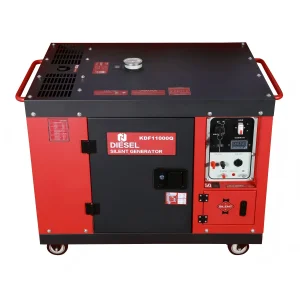
Direct Sourcing Catalog
Featured Standby Generator Sets (Top 8 Units)
Precision-tested silent canopies, open-frame configurations, and fuel-optimized gensets ready for rapid export dispatch.
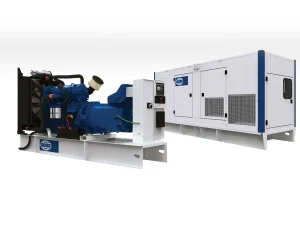
China FG Wilson Open Type Medium Diesel Generator Sets P501-3
View Technical Specs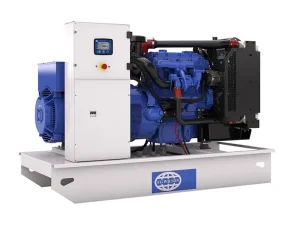
China Wilson Small Type 33KVA Reliable Energy Source P33-6
View Technical Specs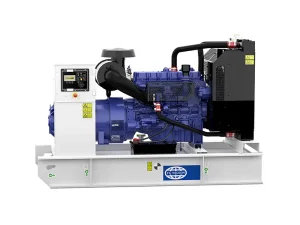
China Wilson Small Type Fuel Optimized Diesel Generator Set P175-2
View Technical Specs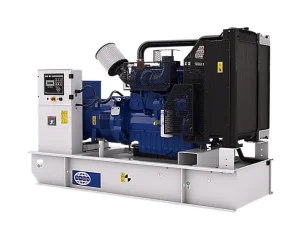
Cheap Medium Range 225-838kva-P250-5 Durable Diesel Generators
View Technical Specs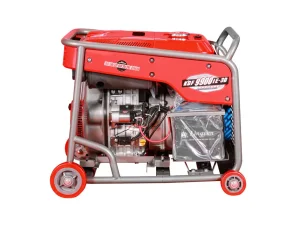
China Diesel Variable Frequency Generator Set KDF9900
View Technical Specs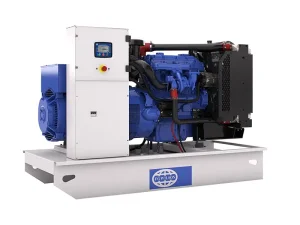
High-Quality Wilson Open Type Small Diesel Generator Sets P88-3
View Technical Specs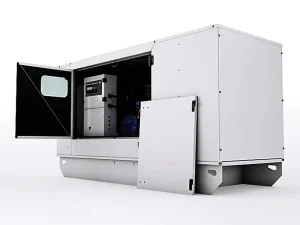
Cheap Wilson Open Type Small Diesel Generator Sets P55-6S
View Technical Specs
Industry White Paper: Standby Power Architecture
Demystifying "Cheap" Standby Power: Capital Efficiency vs. Levelized Cost of Energy (LCOE)
In the utility-scale and commercial standby power sectors, upfront equipment pricing accounts for merely 15% to 22% of total operational expenditure across a 15-year lifecycle. Global engineering procurement specialists define authentic "cheapness" through thermodynamic efficiency, MTBF (Mean Time Between Failures), and load recovery metrics.
99.99%
Grid Blackout Availability Rating
< 10s
Full Transient Load Acceptance
32%
Upfront CapEx Reduction via Direct Factory Export
20,000h
Overhaul Threshold (Perkins Core)
Transient Load Recovery
NFPA 110 Type 10 and ISO 8528-5 Class G2/G3 compliance require emergency gensets to accept 100% block loading within 10 seconds of utility bus breakdown. Our optimized Weichai and FG Wilson configurations leverage electronically governed common-rail injection architectures to ensure instantaneous recovery without stalling under massive inrush inductive loads.
- Isochronous APECS Electronic Governing
- Low Harmonic Subtransient Reactance (X''d)
- 300% Sustained Short-Circuit Capability (PMG)
Thermal & Acoustic Optimization
Acoustic dampening must never compromise thermodynamic heat rejection. Our soundproof canopies employ computational fluid dynamics (CFD) designed dual-chamber attenuators, reducing operational SPL down to 68 dBA @ 7 meters while supporting full radiator ambient ratings of 50°C (122°F) without thermal derating in hot tropical zones.
- Electrostatic Zinc Phosphate Pre-Treatment
- Non-Hygroscopic Flame-Retardant Acoustic Rockwool
- Heavy-Duty Internal Exhaust Silencing Isolators
Total Fuel Optimization Strategy
Engine fuel calibration directly dictates long-term Opex. Through precise mechanical-to-electronic unit injection optimization, our generators maintain exceptionally flat brake-specific fuel consumption (BSFC) curves across 50% to 100% load variations, saving industrial operators up to 14,000 liters of diesel annually per megawatt deployed.
- Optimized Bosch/Perkins High-Pressure Pumps
- Biodiesel (HVO/EN590) Compatible Fuel Lines
- Automatic Water-Separating Multi-Stage Filtration
Macro-Industrial Configurations
Mission-Critical Deployment Matrix by Sector
Different commercial sectors require specialized configurations, safety disconnects, and transfer timing parameters.
| Operating Sector | Duty Classification | Critical Sizing Metrics | Control Panel Architecture | Recommended Configuration |
|---|---|---|---|---|
| Hospitals & Healthcare | Emergency Standby (ESP) | 10-sec Fast ATS, Dual Redundancy | DeepSea DSE7320 MKII / ComAp | Silent Enclosure with Residential Muffler |
| Cloud Data Centers | Data Center Continuous (DCC) | Zero derating up to 45°C ambient | Digital Paralleling Switchgear | Containerized Wilson P1375-1 / Weichai Heavy |
| Mining & Extraction | Prime Power (PRP) | Cyclonic Air Filters, Heavy Skid Base | Manual Key Start / Severe Remote Telemetry | Heavy-Duty Open Skid with High Dust Filtration |
| Oil & Gas Pipelines | Continuous Baseload (COP) | Extreme temperature survival (-40°C to +55°C) | Class 1 Div 2 Hazardous Remote SCADA | Dual-Fuel (Natural Gas + Diesel) Dual Unit |
| Commercial High-Rises | Emergency Standby (ESP) | Motor starting capacity (HVAC/Elevators) | Auto-Mains Failure (AMF) Synchronizer | Compact Canopy with Extended Fuel Tank Base |
Smart Manufacturing & Cost Engineering
China Factory 4.0: The Backbone of Affordable Reliability
How Beijing Xinda Creation synthesizes premium international engineering with domestic vertical integration to achieve unmatched cost benchmarks.
Vertical Supply Clustering
Our assembly facilities benefit from immediate geographic proximity to world-class casting foundries, automated copper winding factories, and specialized sheet metal laser fabrication hubs in the Beijing-Tianjin-Hebei industrial corridor. This compressed supply loop eliminates multiple tiers of middleman markups and inter-provincial logistics fees.
Dynamic Inventory Buffering
By maintaining strategic bonded inventory of genuine Perkins block assemblies, Leroy Somer and Stamford alternators, and DeepSea controllers, we insulate global buyers against worldwide raw material spikes. Our clients lock in bulk-discount pricing with standard 15-day factory dispatch guarantees for fast turnaround cycles.
Automated Load-Bank Verification
Every generator leaving our facility undergoes a strict four-stage dynamic resistive and reactive load bank test: 25% (run-in), 50% (thermal equilibrium), 100% (rated continuous output), and 110% (transient overload reserve) along with emergency shutdown validation. Certified test certificates are generated automatically and cataloged per chassis serial.
Future-Ready Engineering
Technology Roadmap: Hybridization, HVO Fuels & AIoT
Standby generator architecture is evolving rapidly. Discover how Cinda Creation incorporates next-generation transitional power technologies.
Microgrid & BESS Hybrid Integration
The future of emergency backup is hybrid. Our advanced control systems now feature integrated dry contacts and Modbus/CANbus protocols engineered to sync seamlessly with Battery Energy Storage Systems (BESS) and rooftop solar arrays, eliminating "wet stacking" by utilizing lithium battery reserves for low-load phases while calling on diesel gensets only for high-demand bursts.
100% Biofuel (HVO) Decarbonization
In response to international Scope 1 ESG carbon disclosure regulations, our Perkins and FG Wilson generator engines have undergone rigorous fuel line and seal validations to allow 100% replacement of conventional fossil diesel with Hydrotreated Vegetable Oil (HVO) and FAME biofuels, instantly cutting net greenhouse gas emissions by up to 90% without requiring mechanical modifications.
Edge-AI Predictive Diagnostics
By integrating multi-sensor IoT modules measuring crankshaft harmonics, oil viscosity dielectric properties, and exhaust backpressures, our telemetry systems monitor machine health via edge compute algorithms. Field teams receive automated predictive maintenance alerts weeks before a potential starting motor or injector failure occurs on site.
Global Compliance & Engineering Assurance
Institutional Compliance & Export Verification
Eliminating cross-border technical friction with complete multi-jurisdictional certifications and comprehensive field services.
Standardized Regulatory Dossiers
Every genset shipment is accompanied by complete ISO 9001, ISO 14001, and ISO 45001 audited documentation, CE Certificates of Conformity, factory load-bank test reports, and dual-language electrical schematics tailored to SASO (Middle East), SONCAP (Nigeria), EAC (Eurasia), and NOM (Latin America) customs frameworks.
Spare Parts Depots & Perkins Support
Capital equipment is only as viable as its weakest replacement component. We maintain millions of dollars in genuine Perkins filters, turbochargers, AVRs (Automatic Voltage Regulators), gaskets, and water pumps at our central Beijing warehouse, enabling express air courier dispatch to international project sites within 24 to 48 hours.
Remote Commissioning & SLA Guarantees
Our multilingual mechanical engineers provide live video-guided commissioning support for local electrical contracting teams. For utility and government projects requiring on-site supervision, our flying engineering squads provide complete end-to-end commissioning, fuel synchronizing, and ATS integration under strict 12-month standard warranties.
Need a Tailored Commercial Standby Quotation?
Connect with our senior engineering team in Beijing. We review your load profiles, local environmental variables (altitude/temp), and regulatory standards to calculate optimized sizing and competitive FOB/CIF quotation within 24 hours.
Extended Fleet Catalog
Industrial Prime & Standby Gensets (Fleet Selection)
Comprehensive range spanning compact auxiliary power, high-output industrial generators, and heavy-duty utility pumping infrastructure.
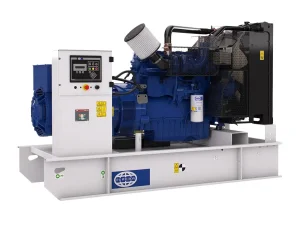
High-Quality FG Wilson Medium Range 225-938KVA Generator P375-4
View Technical Specs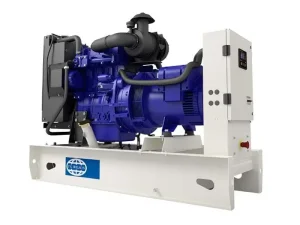
China Wilson High-Performance Generator Set Small Range P22-1
View Technical Specs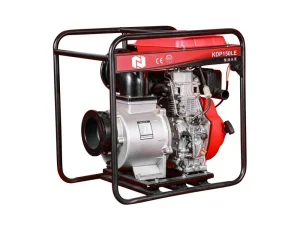
China High-Pressure Water Pumps: Versatile & Durable KDP150LE
View Technical Specs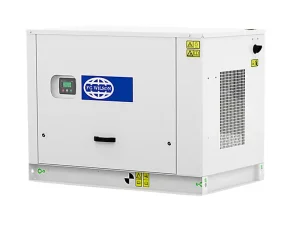
High-Quality FG Wilson Silent Small Generator Sets Perkins Engine
View Technical Specs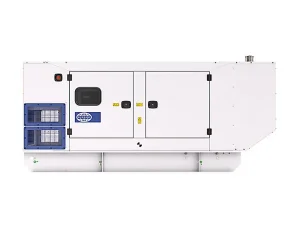
China FG Wilson Generator Set Medium Range 225–938 kVA P300-4
View Technical Specs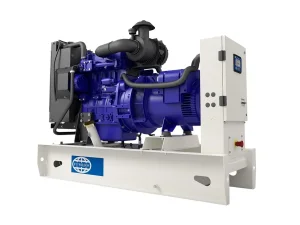
China FG Wilson Small Range Diesel Generator P7.5-1S
View Technical Specs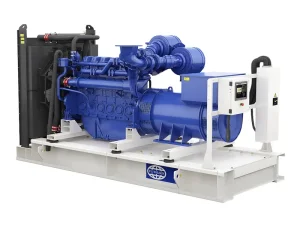
China Large Range >800 kVA FG Wilson Diesel Generators P900-1
View Technical Specs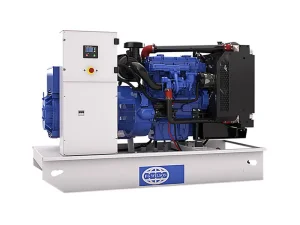
Cheap Wilson Open Type Small Diesel Generator Sets P26-6S
View Technical Specs
Technical & Procurement FAQ
Frequently Asked Questions by Global EPC & Procurement Teams
Definitive engineering answers on generator duty definitions, electrical sizing, derating factors, and export compliance.
What is the engineering difference between Prime (PRP) and Standby (ESP) ratings?
Per ISO 8528-1, an Emergency Standby Power (ESP) rating represents the maximum electrical power available under variable electrical load conditions for the duration of a utility outage, typically limited to a maximum of 200 operational hours per year with an average load factor not exceeding 70%. No overload capability is permitted on ESP ratings. Conversely, Prime Power (PRP) ratings allow unlimited operational hours per year with a variable load, accommodating a 10% overload reserve for one hour in every twelve continuous operating hours. Sizing on Prime is critical if your facility operates in grid-deficient regions or off-grid sites.
How do you calculate kVA to kW, and how does power factor affect generator loading?
Real power measured in kilowatts (kW) represents the actual working capacity of the engine, whereas apparent power in kilovolt-amperes (kVA) includes the reactive magnetic component of inductive electrical loads like transformers and electric motors. For three-phase industrial alternating current systems, the standard industry power factor is 0.8 lagging:
kW = kVA × 0.8. For instance, an FG Wilson P250-5 rated at 250 kVA standby delivers precisely 200 kW of real usable power. Overlooking the power factor can cause premature engine overload even when electrical current thresholds seem within nominal limits.
When should an open-frame unit be specified over an acoustic silent canopy?
Open-frame generators are specifically engineered for indoor deployment within purpose-built plant rooms or specialized mechanical basements that already possess engineered acoustic louvers, forced ventilation, and structural overhead crane lifting beams. Open skids reduce capital cost by 15% to 25% and provide unobstructed 360-degree maintenance access to cylinder heads, turbochargers, and alternator terminal connections. Acoustic canopy units are essential for outdoor rooftop, courtyard, or residential/hospital perimeters where municipal noise bylaws demand noise attenuation down to 65–75 dBA at 7 meters and full IP54/IP56 weatherproofing.
What derating factors apply when operating in high altitudes or extreme ambient heat?
Standard ISO 3046 engine baseline ratings assume an altitude of up to 1,000 meters above sea level and ambient air temperatures of 25°C at 100 kPa atmospheric pressure. For every additional 500 meters of altitude above 1,000m, diesel output typically derates by approximately 3.5% to 4.5% due to reduced oxygen density in naturally aspirated or turbocharged combustion chambers. High temperatures above 40°C cause an additional 2% derate per 5°C increment. Our technical engineering division in Beijing recalculates bespoke turbo-matching and increases radiator core surface areas to mitigate local ambient derating for mining projects in the Andes or desert operations in the Middle East.
What warranty terms, parts availability, and factory inspections are provided?
All generator sets exported by Cinda Creation carry a comprehensive warranty of 12 months starting from initial commissioning or 1,000 operating hours (whichever milestone occurs first). Our operational commitments include a guaranteed 24-hour engineering response time for field troubleshooting. We stock complete Perkins and Weichai overhaul kits, AVR modules, and control boards ready for urgent air-freight dispatch. Global procurement teams or third-party inspection firms (such as SGS, Bureau Veritas, or TÜV) are welcomed to witness live resistive load-bank testing at our factory prior to container sealing.
Can standby diesel generator sets synchronize with existing utility feeds and ATS switchgear?
Yes. Our generator sets can be supplied with integrated or standalone Automatic Transfer Switches (ATS) featuring 4-pole motorized breakers and mechanical interlocks to prevent utility backfeeding. Furthermore, using ComAp InteliGen or DeepSea DSE8610 controllers, multiple generator units can be set up to auto-start, synchronize bus voltage and frequency, and share proportional active and reactive loads (kW/kVAr sharing) within 15 seconds, allowing scalable multi-megawatt backup systems that automatically cycle units on and off based on building load demand.