Featured Power Generation Sets & Mobile Units
Factory-calibrated power units, ranging from localized 2000W variable-frequency inverters and air-cooled single-cylinder diesels up to multi-megawatt prime generation systems.
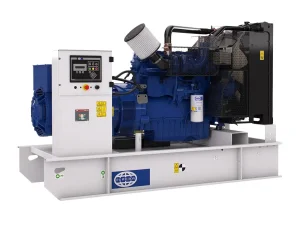
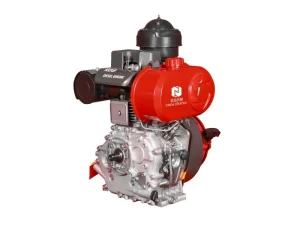
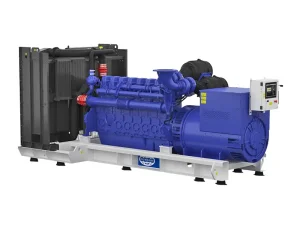
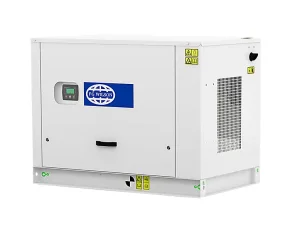
The Global Landscape of 2000W & Distributed Power Generation
Analyzing the paradigm shift in decentralized energy: how pure sine wave variable frequency systems and heavy-duty diesel architecture fulfill critical global commercial infrastructure demands.
In the contemporary global power generation ecosystem, the 2000W generator (encompassing both 2000-Watt / 2-Kilowatt continuous-duty portable variable-frequency units and foundational power modules within microgrids) serves as the primary operational threshold where high portability intersects with industrial-grade electronic compatibility. Modern utilities across Europe, North America, Southeast Asia, and Sub-Saharan Africa face unprecedented stability pressures. Grid instability, climate volatility, and the rapid decentralization of telecommunications infrastructure have transformed the procurement of reliable backup generation from an auxiliary consideration into a mission-critical imperative.
International standards—including ISO 8528 (Reciprocating Internal Combustion Engine Driven Alternating Current Generating Sets), IEC 60034, and strict regional emissions mandates like EU Stage V and US EPA Tier 4 Final—dictate stringent thresholds for total harmonic distortion (THD), load acceptance transient response, and acoustic containment. Modern commercial enterprises no longer settle for rudimentary mechanical governors and raw alternating current. High-precision medical apparatus, edge-computing base stations, and sensitive field-diagnostic equipment demand pure sine wave power where THD remains strictly under 3%.
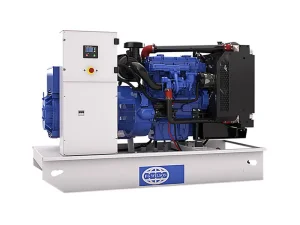
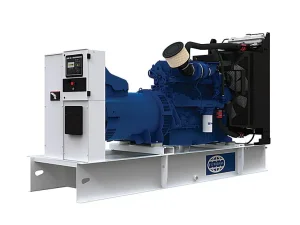
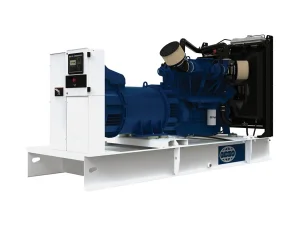
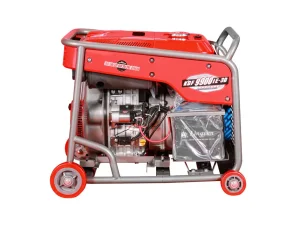
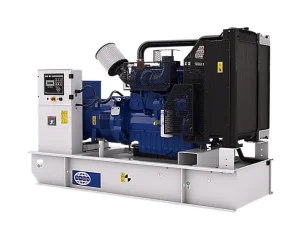
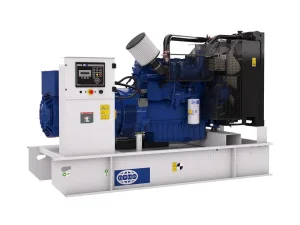
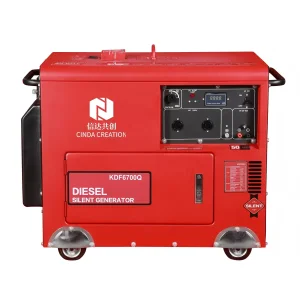
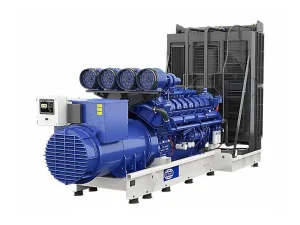
As an established engineering supplier and exporter headquartered in Tongzhou District, Beijing, Beijing Xinda Creation Machinery Equipment Co., Ltd. (Cinda Creation) addresses this global spectrum. Whether sourcing a single-cylinder air-cooled KD9 diesel unit, a versatile variable-frequency silent unit such as the KDF9900/KDF6700 series, or heavy industrial FG Wilson and Weichai prime-power gensets exceeding 800 kVA (such as the P1375-1 and P1650-1), global procurement directors require verifiable engineering data, certified component integrity, and optimized lifecycle economics.
Inverter Digital Modulation
Microprocessor-controlled Pulse Width Modulation (PWM) dynamically conditions raw alternating current into stable direct current before inverting it back into clean, surge-free pure sine wave output, shielding microprocessors and scientific field loads.
Acoustic Attenuation Canopies
Precision-formed zinc-plated steel or aerospace-grade aluminum canopies lined with flame-retardant, high-density open-cell acoustic foam minimize radiated noise levels down to 58–68 dB(A) at 7 meters, surpassing urban night-operation standards.
Intelligent CAN-Bus Telemetry
Equipped with Deep Sea Electronics (DSE) or ComAp smart controllers featuring RS485 and Modbus integrations, enabling real-time remote monitoring of oil pressure, winding temperature, fuel autonomy, and automatic phase synchronization.
Why China Is the Global Core for High-Reliability Generator Manufacturing
Examining the structural production efficiencies, cluster synergies, precision robotics, and cost-containment benchmarks that empower Chinese power equipment exporters.
China's preeminence as the primary manufacturing hub for both small portable 2000W generator systems and industrial power plants rests upon a completely integrated industrial ecosystem. Unlike decentralized global manufacturing paradigms where sub-assemblies cross multiple national borders, Chinese equipment manufacturing clusters—spanning the engine casting centers of Shandong, the precision alternator winding hubs of Jiangsu and Zhejiang, and the smart control electronics fabrication facilities of Guangdong—achieve unprecedented lean turnaround times.
Within China's power generation industrial corridors, 94% of tier-1 and tier-2 parts (including die-cast engine blocks, laser-cut soundproof panels, cold-rolled silicon steel laminations, and copper electromagnetic wires) are sourced within a 150-kilometer radius. This proximity compresses procurement lead times from industry norms of 60 days down to under 14 days for custom-configured gensets.
At Beijing Xinda Creation Machinery Equipment Co., Ltd., quality control is not an end-of-line checkpoint—it is engineered into every stage of production under certified ISO 9001 (Quality Management), ISO 14001 (Environmental Management), and ISO 45001 (Occupational Health & Safety) protocols. Prior to container sealing and multimodal dispatch via major sea corridors (Tianjin, Qingdao, Shanghai), every unit undergoes rigorous dynamometer testing:
- Step-Load Acceptance Verification: Execution of instant 0% to 100% transient electrical loading in compliance with ISO 8528-5 Class G2/G3, verifying frequency recovery within 1.5 seconds.
- Thermal Equilibrium Heat-Run: Continuous 4-hour full-load stress testing within pressurized high-ambient temperature simulation chambers (up to 50°C) to eliminate core overheating risks.
- High-Pot & Insulation Resistance: Automated stator and rotor testing at 2,000V AC to guarantee zero micro-fractures in Class H copper windings under high-moisture tropical conditions.
- Acoustic Decibel Sound-Sphere Mapping: Multi-microphone hemispherical decibel sampling across 8 designated perimeter points to certify sound-attenuation canopy fidelity.
| Evaluation Parameter | China Direct Sourcing (Cinda Creation) | European / US Traditional Assembly | Decentralized Global Importers |
|---|---|---|---|
| Capital Expenditure (CAPEX) | Optimized 35–50% cost advantage via supply cluster | High overhead, premium markups (2.2x – 3x) | Fluctuating tariffs & multi-tier broker fees |
| Production Lead Time | 10 – 25 business days (standard & custom builds) | 16 – 28 weeks due to offshore component supply | Unpredictable inventory stock-out risks |
| Engine Lineage Options | Genuine Perkins, FG Wilson, Weichai, Air-Cooled KD | Strictly localized proprietary engine platforms | Limited badge-engineered white labels |
| Custom Voltage / Hz Formats | 110V, 220V, 240V, 380V, 415V, 440V (50Hz/60Hz) | Standard domestic focus; export surcharges apply | Fixed inventory specifications with no flexibility |
| Direct Spare Parts Availability | Immediate factory direct (Perkins, Weichai OEM parts) | Regional distributor gatekeeping with markups | Lengthy third-party procurement backorders |
Localized Application Scenarios: Engineered for Harsh Global Environments
Examining field operations where failure is not an option: from remote medical relief camps to extensive trans-continental pipeline infrastructures.
Healthcare & Emergency Field Clinics
When central grids collapse during humanitarian crises or natural disasters, 2000W to 5kVA silent generator units (e.g., KDF6700Q, KD9) provide dependable, surge-isolated electrical stability for ultra-low temperature vaccine storage freezers, diagnostic ultrasound equipment, and emergency operating theaters where fluctuating voltage would corrupt microprocessors.
Infrastructure: Oil & Gas Pipelines
Demonstrated on high-stakes megaprojects such as the 2,400-kilometer China–Myanmar crude oil and gas pipelines, integrated fleets comprising heavy diesel gensets and complementary small units sustain continuous cathodic pipeline protection, SCADA monitoring, and maintenance camps in remote, ungrid-connected mountainous terrains.
Extreme Climate Operations (-40°C to +50°C)
Deployments across desert environments require high-ambient radiators, heavy-duty cyclone dual-stage air filtration, and sand-trap canopies. Conversely, Arctic mining operations depend on water-jacket immersion block heaters, synthetic low-viscosity lubrication, and fuel heating circuits, proven by FG Wilson systems with over 20 years of continuous Arctic service.
Telecom Base Stations & Remote BTS
Cellular network towers situated far from municipal power lines rely on automated DC-charging or variable frequency diesel generator sets. Integrated with automatic transfer switches (ATS) and remote telemetry, these units autostart on low-battery triggers, delivering uninterrupted 5G data backhaul across vast rural areas.
Mobile Industrial Welding & Fabrication
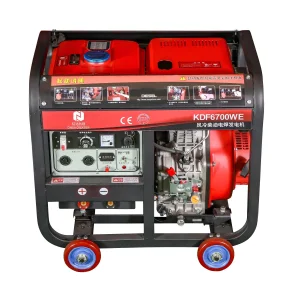
Specialized multi-function units like the KDF6700WE combine high-efficiency diesel power generation with heavy-duty DC electric welding capabilities. Contractors eliminate the weight, complexity, and expense of hauling separate welding machines and generators onto structural steel sites, shipyards, and rail maintenance locations.
Commercial Standby & Data Continuity
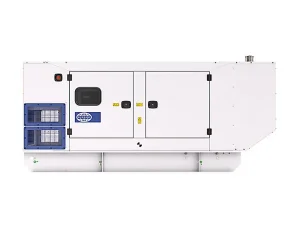
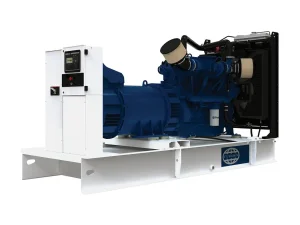
Urban businesses, server facilities, and commercial cold-storage logistics depots employ soundproof silent canopies with automated synchronization panels. Models like the FG Wilson P250-5 and P780-1 provide instant multi-stage prime-power injection within 10 seconds of municipal brownouts, preserving critical digital workflows.
Future Trends: Variable Frequency, Smart Telemetry & Microgrid Integration
Mapping the next generation of generator engineering: the convergence of fossil fuel backup systems with solar-battery hybrid topologies and automated telemetry.
The power generation landscape is evolving from standalone mechanical engines into intelligent energy nodes. B2B procurement managers are no longer evaluating systems purely on nominal kilowatt output per dollar; they prioritize operational longevity, fuel throttling algorithms, and smart-grid interoperability:
1. Digital Inverter Technology & Variable Frequency Efficiency
Conventional generators operate at a static 3,000 RPM (50Hz) or 3,600 RPM (60Hz) regardless of the connected load, resulting in excessive fuel burn, mechanical friction, and carbon buildup during low-demand cycles. Advanced variable frequency generators (exemplified by the KDF9900 and modern 2000W portable systems) utilize smart electronic governors that modulate engine speed proportionally to load demand. At a 25% load, RPMs scale back gracefully, cutting fuel consumption by up to 40%, extending oil drain intervals, and lowering acoustic emissions below 60 dB(A).
2. Solar-Diesel-Storage Hybrid Microgrids
Throughout mining concessions in Western Australia, agricultural estates in South America, and remote islands in Indonesia, generator sets are paired with photovoltaic (PV) arrays and Lithium-Iron-Phosphate (LiFePO4) Battery Energy Storage Systems (BESS). In these microgrid architectures, the generator acts as an on-demand peaker unit or seasonal backup. Deep Sea Electronics controllers sync automatically via dry-contact relays, initiating fast-crank sequences only when battery depth-of-discharge drops below 20%, thus achieving unprecedented lifetime fuel reductions.
3. Predictive AI Telemetry & Remote Diagnostics
Through cloud-linked telematics dongles communicating over 4G/5G and satellite links, plant engineers in corporate headquarters can access live diagnostics across thousands of field generators globally. Vibration signatures, exhaust gas temperatures (EGT), oil viscosity indicators, and fuel water-contamination metrics are continuously analyzed by predictive maintenance algorithms, alerting operators to replace air filters or injectors prior to catastrophic field failure.
B2B Sizing Methodology, TCO Analysis & Compliance Specifications
A systematic calculation guide for project engineers, procurement officers, and international distributors to prevent equipment undersizing and optimize total lifecycle ROI.
One of the most pervasive failure modes in distributed electrical installations stems from incorrect generator capacity sizing. Procurement agents frequently aggregate nameplate steady-state wattages without factoring in in-rush inductive reactive power, altitude-related thermal derating, or power factor dynamics.
Understanding the Mathematical Conversions (kW vs. kVA)
Apparent power is measured in Volt-Amperes (kVA), while real usable work power is measured in Watts (kW). The mathematical relation is governed by the system Power Factor ($\cos\phi$):
Example: 250 kVA Standby Rating × 0.8 PF = 200 kW Actual Active Power Capacity
When specifying units for single-phase 2000W portable loads, the power factor is generally rated at 1.0 (unity). However, when inductive electric motors (found in submersible pumps, air conditioning compressors, or industrial air scrubbers) initiate, their starting demand draws between 300% to 600% of continuous running current (Locked Rotor Amperage - LRA). Sizing requires multiplying motor nameplate wattage by a safety factor of at least 2.5 to 3.0 to prevent voltage dip-induced alternator tripping.
Environmental Derating Calculation
Internal combustion engines experience volumetric oxygen loss at elevated altitudes and reduced heat dissipation at high ambient temperatures. In accordance with ISO 3046 / ISO 8528 standards:
- Altitude Derating: Deduct approximately 1% of total engine output for every 100 meters above 1,000 meters elevation above sea level.
- Temperature Derating: Deduct 2% to 3% of rated capacity for every 5°C ambient temperature rise above 40°C (104°F).
Total Cost of Ownership (TCO) Model
Over a standardized 10,000-hour operational cycle, initial acquisition CAPEX accounts for only 8% to 15% of total expenditure. Fuel consumption constitutes 70% to 80%, with preventive maintenance, filters, and lubricants forming the remainder. Sourcing fuel-optimized platforms (such as the FG Wilson P175-2 or variable-speed KDF series) provides substantial cumulative savings that rapidly offset nominal procurement differentials within the first 18 months of prime operation.
Frequently Asked Questions (FAQ) for Global Importers & Contractors
Direct, verifiable technical answers covering warranty frameworks, duty-cycle distinctions, frequency alterations, and export documentation protocols.
What is the fundamental engineering difference between Prime Power and Standby Power?
Prime Power Rating (PRP): Designed for unlimited operating hours per calendar year in off-grid or primary power scenarios under variable load conditions. It accommodates an overload capability of 10% for 1 hour within every 12-hour operational window (ISO 8528-1). If your generator will operate as the primary continuous source of current, always configure your capacity around the Prime rating.
Can a 50Hz diesel or portable generator be reconfigured to operate at 60Hz for export to the Americas?
What specific quality inspection and test certificates accompany export shipments?
What are the acoustic thresholds of your "Silent" and "Super Silent" canopy configurations?
What is the standard warranty coverage and what does the after-sales response workflow entail?
How does Cinda Creation ensure seaworthy packaging for trans-oceanic container transport?
Industrial Diesel Gensets, Inverters & Multi-Process Systems
Engineered for international contracting: explore open-frame small diesel sets, mid-range industrial power units, and multi-purpose diesel welding generators.