
Featured Industrial Power Fleet (Top Tier Selection)
Engineered to international ISO 8528 compliance standards. Every high-efficiency genset is factory performance-tested for continuous prime and rapid emergency standby applications.
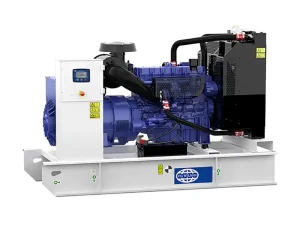
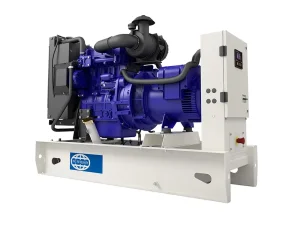
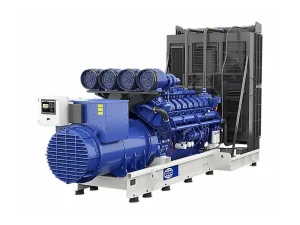
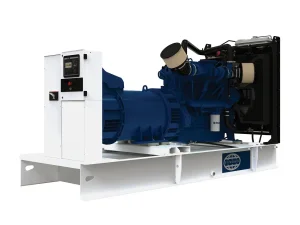
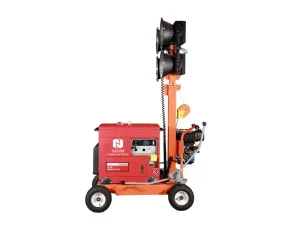
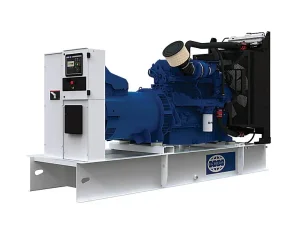
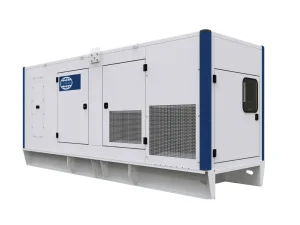
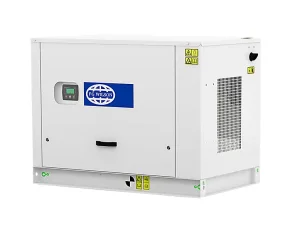
Global Commercial Landscape: The 6.5 kVA Paradigm Shift
In modern electrical engineering architectures, the 6.5 kVA class operates as the pivotal bridge between localized distributed energy resources (DERs) and robust decentralized prime power infrastructure.
Grid Edge Fragility & Decentralization
Global utility transmission systems face unprecedented volatile loads and climate volatility. The 6.5 kVA diesel generation segment provides mission-critical autonomous power for telecom shelters, micro-clinics, and high-frequency remote telemetry where utility failover must trigger in sub-second intervals.
Total Cost of Ownership (TCO) Metrics
Unlike larger megawatt diesel plants with extreme parasitic loads and prohibitive idling costs, the 6.5 kVA unit optimizes the brake specific fuel consumption (BSFC) curve. It matches real-world light-to-medium electrical loads, mitigating wet-stacking and cutting diesel consumption per operating hour.
Turnkey Integration Synergy
Working seamlessly alongside FG Wilson and Weichai master units, 6.5 kVA auxiliary generators handle balance-of-plant (BoP) duties: black-start priming, perimeter surveillance, and station control backup while main prime power generators remain safely deactivated.
Localized Field Application Scenarios
Engineered to adapt directly into severe ambient zones, from high-temperature equatorial deserts to high-altitude Andean mines.
5G Telecom BTS Stations
Maintains DC rectifier arrays and climatic air conditioning within isolated base transceiver stations (BTS). Features Automatic Mains Failure (AMF) control and RS-485 Modbus remote telemetry over IoT networks.
Medical Cold-Chain Hubs
Supplies clean sinewave energy for remote medical posts, vaccine freezers, and surgical telemetry. High-grade acoustic canopies keep noise levels below 65 dBA at 7 meters for quiet clinic environments.
Oil & Gas Valve Enclosures
Deployed across remote pipeline routes (similar to the 2,400 km China-Myanmar energy corridor) to drive valve actuators, cathodic corrosion protection nodes, and emergency shut-off protocols.
Solar-Diesel Microgrids
Functions as a firming asset within off-grid hybrid renewable clusters. Automatically ramps up when solar irradiance drops or battery storage banks drain below preset depths of discharge (DoD).
Engineering Roadmap & Technical Benchmark
A comprehensive engineering comparison between traditional mechanical generators and next-generation smart-inverter electronic engine platforms.
| Performance Dimension | Legacy Mechanical GenSet | Current Premium (KD/Wilson Tier) | Next-Gen 2026+ Intelligent Architecture |
|---|---|---|---|
| Displacement & Combustion | Single-cylinder, indirect injection | Direct Injection (DI), optimized swirl bowl | Common-rail electronic injection (e-ECU) |
| Voltage Regulation (AVR) | Analog resistive bridge (±5%) | Brushless, Digital AVR (±1.0%) | GaN Inverter bus-switching (±0.5% THD < 2%) |
| Total Harmonic Distortion (THD) | THD > 8% (damages microelectronics) | THD < 5% (safe for standard IT gear) | Ultra-pure sine wave THD < 1.5% |
| Sound Pressure Enclosure | Open frame > 82 dBA @ 7m | Acoustic canopy: 68-72 dBA @ 7m | Composite active acoustic canceling (<60 dBA) |
| Telemetry & BMS Interfacing | Dry relay contacts only | RS485 Modbus / CAN Bus J1939 | Embedded 5G IoT + Predictive Cloud Analytics |
Next-Gen Stage V / Tier 4 Final
Our development pipeline incorporates advanced Diesel Oxidation Catalysts (DOC) and selective exhaust gas recirculation (EGR) systems to satisfy tightening European and North American non-road mobile emissions regulations.
Hybrid Biofuel Compatibility
All generator combustion chambers, seals, and Bosch-style high-pressure injectors are certified for pure petroleum diesel as well as up to B20 biodiesel blends and Hydrotreated Vegetable Oil (HVO100), lowering net project carbon footprints.
Edge Computing Power Analytics
Upgraded microprocessor control panels monitor load imbalances, lubricating oil viscidity, and alternator stator thermal coefficients in real-time, executing automated shutdown routines before core equipment damage occurs.
China Industrial Supply Chain: Resilience, Scale & Quality Rigor
Operating from our Beijing engineering headquarters and modern fabrication bases, Cinda Creation leverages complete domestic supply chains to deliver unparalleled build speed, quality consistency, and cost control.
Tier-1 Component Clustering
Our plants reside within highly concentrated manufacturing ecosystems. From high-grade electrical steel laminations for copper alternators to genuine Perkins parts and Weichai powertrain components, every element is sourced, inspected, and assembled with tight lead times.
Rigorous FAT Validation
Every small-to-large unit undergoes mandatory Factory Acceptance Testing (FAT). The protocol covers 0%, 25%, 50%, 75%, 100%, and 110% overload steps. Transients, frequency recovery windows, and thermal equilibrium limits are certified under load-bank conditions.
Certified Production Integrity
Our production facilities maintain complete compliance under ISO 9001 (Quality Management), ISO 14001 (Environmental Protection), and ISO 45001 (Occupational Safety) standards, giving EPC contractors fully auditable documentation and zero supply chain friction.
Global Compliance, Spares Support & Field Warranty
Ensuring overseas procurement managers, electrical engineers, and project developers receive uninterrupted operation and rapid aftermarket service around the clock.
24-Hour Response Guarantee
Our multilingual application engineering group handles project sizing, configuration blueprints, and emergency troubleshooting inquiries within a 24-hour window regardless of international time zones.
12-Month Operational Warranty
All delivered generator systems include standard 12-month bumper-to-bumper protection from the on-site commissioning date, backed by verifiable factory components and complete operational tracking.
Genuine Perkins & Engine Spares
We maintain high stock levels of genuine filters, fuel injectors, AVR modules, and rebuild kits in our export staging center to support expedited overseas air courier dispatch.
Sea-Freight Anti-Corrosion Prep
Every generator receives industrial vapor-corrosion-inhibitor wrapping, desiccated container packing, and solid structural skid anchoring to survive demanding long-distance marine transport.
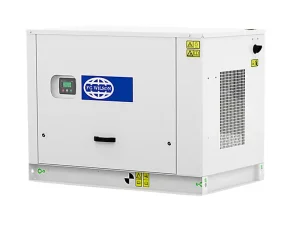
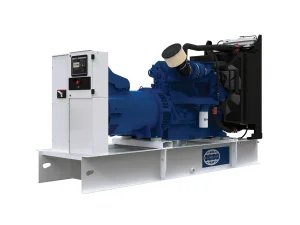
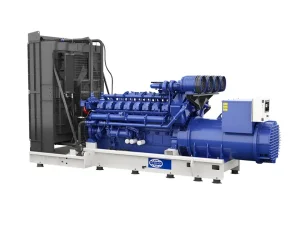
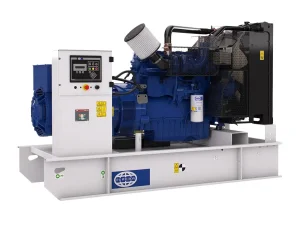
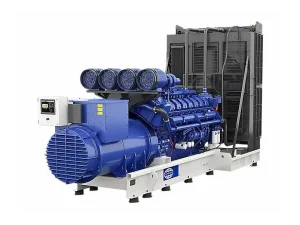
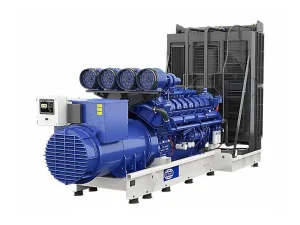
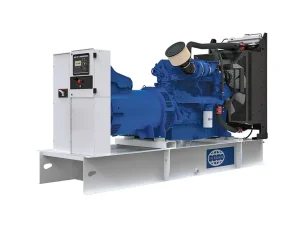
Heavy-Duty, Silent & Specialized Genset Series
Explore our complete commercial offering: from single-cylinder air-cooled solutions to high-capacity medium and large multi-megawatt systems.
Frequently Asked Questions: Technical & Sourcing Authority
In-depth engineering answers addressing generator sizing, phase matching, derating calculations, and international export logistics.
How does electrical power factor (PF) affect a 6.5 kVA generator's true output?
Apparent power is rated in kVA, while real usable work capacity is measured in kW. In typical single-phase configurations (PF 1.0), 6.5 kVA supplies 6.5 kW. For three-phase industrial platforms operating at 0.8 PF, the actual active continuous work capacity is 5.2 kW (6.5 × 0.8 = 5.2 kW). Inductive loads with large starting current draws must be sized against this 5.2 kW active ceiling.
What environmental derating factors apply at high altitude or high temperature?
Standard ratings assume ISO 3046 conditions: 25°C ambient temperature at sea level (100 kPa barometric pressure). For every 500 meters above 1,000 meters elevation, derate total output by approximately 3.5% due to reduced air density. For temperatures exceeding 40°C, an additional 2% to 3% derating per 5°C rise applies, unless equipped with dedicated high-ambient cooling upgrades.
Single-phase (230V) vs. Three-phase (400V): which configuration is recommended?
Choose 230V single-phase if the unit will primarily supply lighting, telecom switchboards, computers, and residential appliances to eliminate load imbalance risks across winding legs. Choose 400V three-phase when running small industrial submersible pumps, air compressors, or industrial welding gear that require a rotating magnetic field.
What is the standard export delivery packaging and sea-freight timeline?
Standard units are secured on reinforced steel-fork pockets, sealed with heavy vapor barrier wrapping, and packed in reinforced export plywood crates. Typical factory lead times are 15 to 20 days. Shipments dispatch through Tianjin or Qingdao ports, providing 18 to 32 day sea-transit windows to most major worldwide ports.