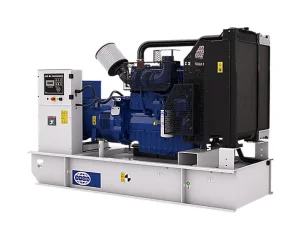
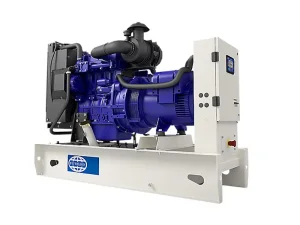
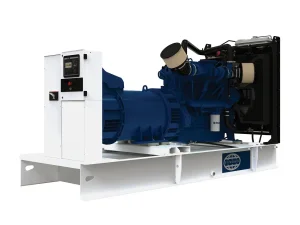
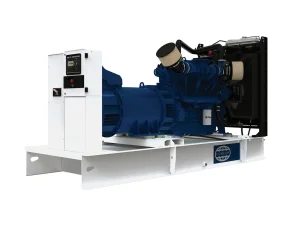
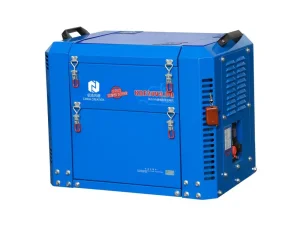
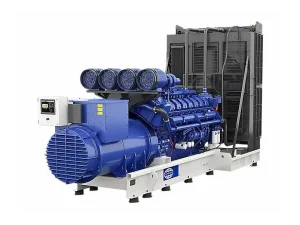
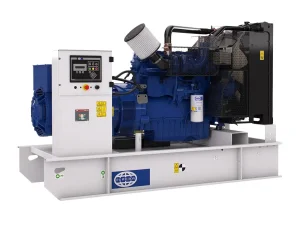
Primary Powered Machinery & Cylinder Assembly Units
Engine components engineered to withstand extreme thermal stresses, hydrodynamic friction, and peak combustion pressures. Direct procurement availability across prime and standby power systems.
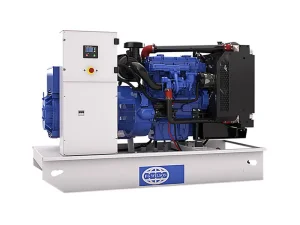
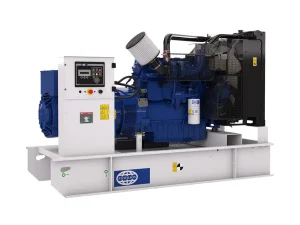
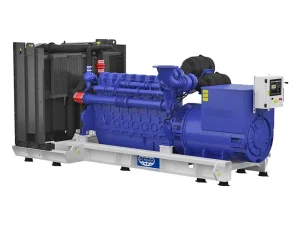
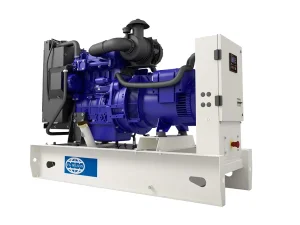
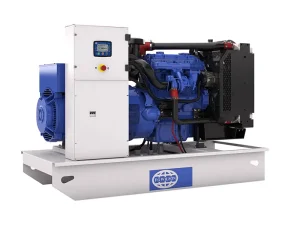
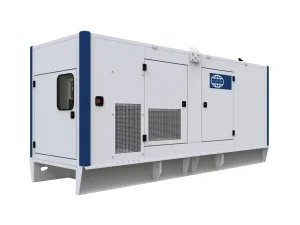
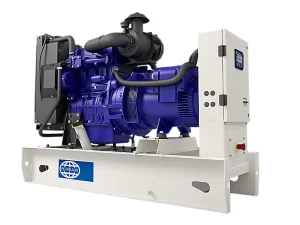
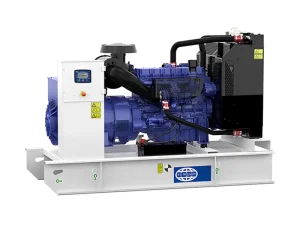
Engineering Dominance of China Cylinder Liner Suppliers
A deep technical appraisal of vertical integration, centrifugal metallurgical casting, micro-alloying, and CNC plateau honing across heavy internal combustion infrastructure.
The internal combustion engine remains the backbone of modern global infrastructure, powering everything from municipal backup generation systems and continuous-duty marine propulsion to heavy-haul construction assets. Within this high-stress dynamic system, the cylinder liner (or cylinder sleeve) serves as the primary functional wear interface, bearing the severe tribological contact of piston rings while dissipating intense thermodynamic heat fluxes away from the combustion chamber. When evaluating an authoritative China cylinder liner supplier, global original equipment manufacturers (OEMs) and aftermarket distributors evaluate far more than basic dimensional tolerances—they scrutinize the metallurgical architecture, crystalline graphite morphology, and macro-level process stability that define Chinese heavy precision manufacturing.
Over the past two decades, China has evolved from a high-volume foundry basin into the global frontier for high-precision metallurgical engineering. Domestic Tier-1 manufacturers and ISO/IATF 16949-certified factories operate integrated facilities encompassing raw charge preparation, automated continuous vertical and horizontal centrifugal casting, computerized heat treatment, rough turning, sub-micron induction hardening, and high-precision CNC multi-stage plateau honing. By combining automated production cells with specialized alloy development—such as boron-copper-phosphorus alloyed grey cast iron and high-tensile compacted graphite iron (CGI)—Chinese cylinder liner manufacturers supply critical engine components engineered to withstand continuous combustion pressures exceeding 220–250 bar without bore distortion, ring scuffing, or micro-cracking.
Centrifugal Cast Metallurgy
Utilizing high-speed rotating centrifugal molds (exceeding 1200 RPM) to generate radial centrifugal forces up to 80G. This drives gaseous slag and inclusions toward the inner scrap zone, leaving an ultra-dense, homogeneous outer microstructure free of porosity, pinholes, and shrinkage defects.
Laser & Plateau Honing
Multi-stage diamond plateau honing delivers an optimal cross-hatch surface pattern (typically 40°–50° cross angles). This micro-grooved topology acts as an oil reservoir that maintains continuous hydrodynamic lubrication films, mitigating initial run-in wear and reducing operational oil consumption.
Anti-Cavitation Surface Coating
To eliminate high-frequency coolant-side cavitation pitting common in high-output diesel applications, Chinese plants deploy targeted galvanic nickel-chrome plating, ceramic barrier sprays, and specialized phosphate conversion treatments across the outer diameter water jacket regions.
Material Grades & Precision Tolerances
Comprehensive metallurgical classification comparing standard gray cast iron, boron-alloyed sleeves, and compacted graphite iron for severe service environments.
| Alloy Grade | Tensile Strength (MPa) | Hardness Range (HBW) | Graphite Morphology | Primary Industrial Application | Operational Duty Cycle |
|---|---|---|---|---|---|
| HT250 / ASTM Class 35 | ≥ 250 | 190 – 240 | Lamellar Type A (Flake) | Light commercial, low-kW standby gensets | Intermittent / Standby Backup |
| HT300+Boron (B-Cu Alloyed) | ≥ 300 | 220 – 270 | Uniform Pearlitic Matrix, fine Type A | Heavy-duty trucks, prime-power diesel gensets | High Thermal Load / Continuous |
| CGI (Compacted Graphite Iron) | ≥ 400 – 450 | 230 – 280 | Vermicular (Worm-like) structure | High BMEP marine diesel, high-pressure natural gas | Severe Marine & Mining Duty |
| Ductile Iron (QT600-3) | ≥ 600 | 200 – 260 | Nodular Spherical Type I/II | Two-stroke crosshead engines, air compressors | Extreme Mechanical Shock / Impact |
| Centrifugal Alloy Steels | ≥ 800 | 280 – 330 | Tempered Martensite / Carbides | Military, racing, specialized high-boost turbos | Ultra-High Peak Pressure (>280 bar) |
Dimensional Verification and Quality Assurance Protocol
A defining marker of tier-1 China cylinder liner suppliers is strict dimensional metrology. In modern automated casting and turning lines, roundness, cylindricity, concentricity, and taper are held to tolerances within 0.010 mm – 0.015 mm across bore diameters ranging from 65 mm to over 400 mm. Multi-axis coordinate measuring machines (CMM) and Taylor Hobson roundness analyzers assess every production batch to verify that thermal expansion will occur symmetrically, preventing localized ring-to-wall pinching during high-temperature engine firing cycles.
Furthermore, internal surface finish characterization transcends rudimentary Ra metrics. Advanced Quality Control parameters track Rpk (reduced peak height), Rk (core roughness depth), and Rvk (reduced valley depth) in strict compliance with ISO 13565-2. The low Rpk value minimizes mechanical break-in wear; the stable Rk maintains compressive seal integrity; and an optimized Rvk creates miniature fluid reservoirs that feed oil across the top dead center (TDC) zone where boundary lubrication challenges are most severe.
Global Applications & Macro-Sector Deployment
Translating metallurgical characteristics into mission-critical reliability across heavy energy, marine logistics, mining haulage, and agricultural infrastructure.
Standby & Continuous Gensets
Continuous-load diesel generators operating in remote telecoms, data facilities, and emergency medical grids require liners that prevent wet stacking and bore glazing under low-load cycling while tolerating instant step-loads up to 100% capacity without thermal distress.
Off-Highway & Construction Mining
Heavy excavators, dozers, and ultra-class haul trucks operate within ambient environments thick with abrasive particulate dust. Wet cylinder sleeves with hardened outer flanges and induction-hardened internal bores prevent micro-fretting and catastrophic bore cracking under intense vibrational harmonics.
Marine Propulsion & Auxiliary Units
Operating continuously for tens of thousands of service hours, marine medium-speed liners demand elevated corrosion resistance against low-grade fuels containing sulfur residues. Multi-layer anti-corrosive chemical coatings ensure long operational longevity against sulfuric acid condensation.
B2B Procurement Realities: Wet vs. Dry Cylinder Liner Architectures
Engine design architectures universally split into wet cylinder liners and dry cylinder sleeves. Understanding the specific manufacturing and supply nuances of each is vital for international purchasing directors:
Wet Cylinder Liners: Directly exposed to the liquid engine coolant on their external diameter, wet liners provide direct heat transfer from the combustion zone. However, this architectural design exposes the external sleeve walls to destructive cavitation erosion caused by high-frequency piston slap vibrations. China's leading suppliers incorporate precision flame-hardened upper packing flanges, engineered elastomer sealing groove geometries (viton/EPDM seal seats), and thick-wall barrel structures to resist acoustic pressure wave implosions in the coolant jacket.
Dry Cylinder Sleeves: Enclosed entirely by the parent engine block bore, dry liners feature thin wall cross-sections (often 1.5 mm – 3.0 mm). The dominant technical challenge is maintaining absolute roundness and dimensional stability during installation and heat cycling. Sourcing dry sleeves from Chinese suppliers that utilize centerless grinding, pre-honed inner diameters, and controlled outer-diameter interference fits guarantees that thermal conductivity between the sleeve and the parent engine block remains 100% consistent across every cylinder.
Strategic Factory Advantages of Chinese Sourcing
Why Tier-1 international engine rebuilders, generator assemblers, and logistics conglomerates anchor their spare-parts supply chains in China's industrial clusters.
The global mechanical aftermarket faces compounding pressures: escalating raw material costs, tightening carbon footprint mandates, and the imperative for shorter prototype-to-production cycles. Within this landscape, China cylinder liner suppliers offer distinct structural competitive advantages that cannot be replicated elsewhere:
1. Vertically Integrated Casting and Machining Ecosystems: Unlike Western manufacturers that frequently outsource unmachined rough castings across international borders for remote final finishing, China's core engine manufacturing clusters (such as Shandong, Jiangsu, Henan, and Zhejiang) host end-to-end industrial ecosystems. Raw pig iron refining, electric induction melting, precision centrifugal spin-casting, automated rough turning, induction heat treatment, diamond honing, and anti-rust packaging take place within unified factory perimeters. This spatial proximity drastically reduces inter-process transit damage, compresses production lead times from months to weeks, and yields unmatched total cost of ownership (TCO) efficiencies.
2. Extensive Tooling Libraries and Rapid Reverse Engineering: The world's largest archive of engine part numbers exists within Chinese factories. Whether an enterprise requires OEM-dimension replacements for legacy Perkins, Cummins, FG Wilson, Caterpillar, Deutz, Komatsu, Yanmar, or Weichai powertrains, Chinese suppliers hold established casting patterns and CNC programming profiles. For bespoke or discontinued engine platforms, advanced 3D optical scanning, coordinate metrology, and rapid prototyping capabilities enable low-volume sample validation in under 20 working days.
3. Relentless Capital Investment in Industry 4.0 Infrastructure: Leading Chinese manufacturers have moved past labor-intensive legacy tooling. Today's shop floors feature automated robotic loading arms, German-engineered Gehring and Nagel CNC honing complexes, non-destructive ultrasonic flaw detection arrays, and automated laser marking. Every cylinder liner is permanently etched with traceability datamatrix codes, recording the specific melt charge, furnace temperature, spin speed, and honing technician for transparent lifecycle accountability.
Material Supply Resilience
Unmatched domestic access to high-purity foundry pig iron, rare-earth nodulizers, ferro-boron, and copper alloys insulates production from geopolitical shipping bottlenecks and stabilizes long-term contract pricing.
Audit-Ready Quality Standards
Full conformance with ISO 9001, ISO 14001, ISO 45001, and IATF 16949 automotive certifications. Every batch leaves the plant backed by 3.1 material test certificates and comprehensive dimensional audit sheets.
Export-Grade Vapor Packaging
Export components undergo multi-stage ultrasonic degreasing, volatile corrosion inhibitor (VCI) oil micro-spraying, vacuum shrink wrapping, and reinforcement in marine-grade fumigated wooden crates to survive trans-oceanic shipping humidity intact.
Emerging Technological Trends in Cylinder Liner Manufacturing
Addressing the shifting landscape of low-carbon fuels, higher peak firing pressures, and advanced tribological coatings.
As the internal combustion sector transitions toward higher fuel efficiencies, reduced emissions, and alternative fuels—including green methanol, compressed natural gas (CNG), and hydrogen combustion blends—the physical demands placed on the combustion chamber are reaching unprecedented levels. Chinese cylinder liner researchers and industrial labs are spearheading key metallurgical transitions:
1. Laser Surface Texturing (LST) and Dimpling: Moving beyond conventional honing stones, top-tier research suppliers utilize high-frequency fiber lasers to engrave micro-dimple arrays within the top 20% of the piston stroke. These microscopic dimples generate hydrodynamic pressure pockets that lift piston rings slightly away from the metal substrate, cutting frictional horsepower loss by up to 18% while preventing localized adhesive micro-welding at elevated temperatures.
2. Plasma Transferred Wire Arc (PTWA) Thermal Spraying: For next-generation lightweight engine blocks where weight reduction is paramount, Chinese manufacturers are developing hybrid cast-iron thin-wall liners with external plasma coatings, as well as supplying PTWA thermal spray wire formulations that allow direct bore coating onto aluminum blocks, combining cast iron durability with aluminum thermal efficiency.
3. Resilience Against Alternative & Dry Fuels: Hydrogen and natural gas combustion generate elevated flame temperatures while lacking the natural lubricating byproducts found in conventional diesel fuels. In response, advanced high-phosphorus, high-vanadium alloyed sleeves have entered mass manufacturing. These trace elements form hard microscopic phosphide and carbide phases suspended within a shock-absorbing pearlite substrate, maintaining wear resistance even in dry, high-temperature combustion environments.
Frequently Asked Questions for Global Procurement Teams
Direct technical answers from manufacturing engineers addressing design specifications, quality control, shipping, and supply agreements.
What is the typical lead time for custom OEM cylinder liner casting and tooling?
For existing standard engine profiles (e.g., Perkins, Cummins, Weichai series), stock components ship within 7–10 days. For bespoke or custom OEM designs requiring fresh wooden or metal tooling patterns, tool design and pilot sample casting typically require 25 to 35 business days, followed by full CMM and metallurgical verification reports.
How do Chinese factories prevent cavitation erosion on wet cylinder liners?
Tier-1 factories apply a multi-faceted defense: optimizing the external wall thickness to alter acoustic resonance, precision machining the fillet radius under the top support flange to minimize localized bending stresses, and applying electrolytic nickel-chrome plating or epoxy-phenolic coatings across the active coolant flow zone.
What testing documentation is supplied with commercial shipments?
Standard export consignments include EN 10204 3.1 Material Test Reports, spectrographic chemical analysis certificates, Brinell hardness testing logs, surface roughness profilometer plots (Ra, Rz, Rpk, Rvk), and non-destructive testing (NDT) magnetic particle or ultrasonic flaw reports.
Can you explain the importance of the cross-hatch honing angle?
The cross-hatch angle (typically maintained between 40° and 55°) directs oil distribution evenly across the stroke. If the angle is too steep, excessive oil flows upward toward the combustion chamber, driving up emissions and carbon deposits. If the angle is too shallow, lubricating oil is scraped away prematurely, causing ring micro-welding and bore scuffing.
What anti-corrosion protection is used for ocean freight transit?
All machined surfaces undergo neutral aqueous ultrasonic cleaning, drying, and an automated coating of specialized volatile corrosion inhibitor (VCI) oil that provides up to 24 months of atmospheric protection. Each liner is then hermetically sealed within a moisture-barrier polyethylene bag before insertion into structural export cases.
How does boron alloying improve the service lifespan of cylinder liners?
Boron acts as an aggressive carbide stabilizer. Even in minute additions (0.03% to 0.08%), it forms ultra-hard iron-boron-carbide networks (Fe3(C,B)) embedded within the pearlite matrix. This increases wear resistance by 200% to 300% compared to standard gray cast iron, particularly under heavy, high-temperature diesel duty cycles.
Medium & Heavy-Range Power Generation Systems
Continuous heavy-power generator sets incorporating precision cylinder bore metallurgy, automated governing, and heavy-duty thermodynamic cooling systems.