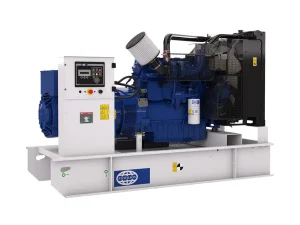
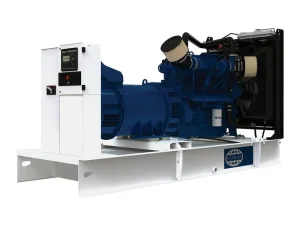
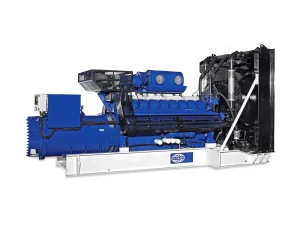
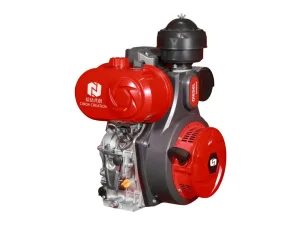
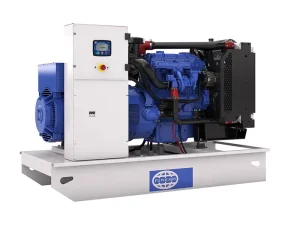
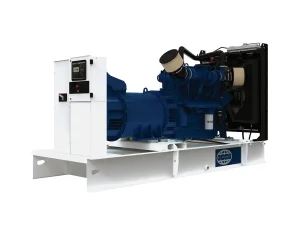
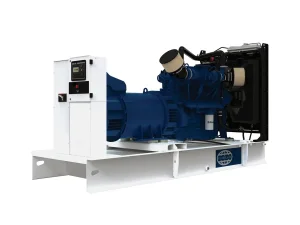
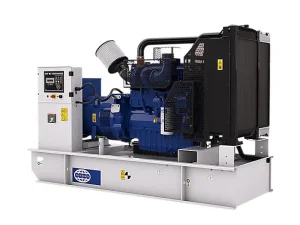
High-Efficiency Residential & Small-Range Emergency Generators
Explore our certified standby generator series engineered with prime-grade alternators, ultra-quiet acoustic treatment, and automated transfer control units for emergency domestic operations.
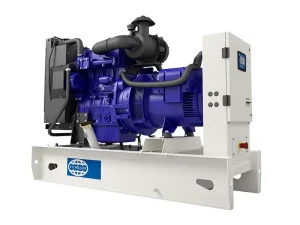
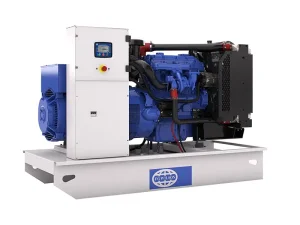
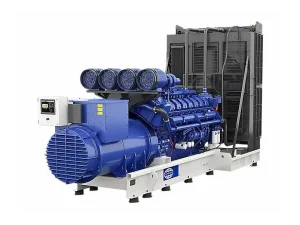
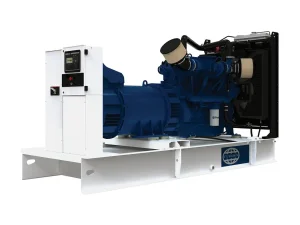
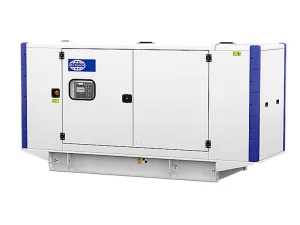
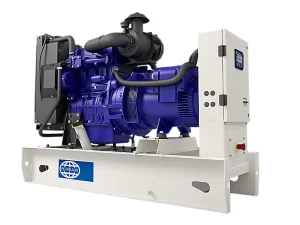
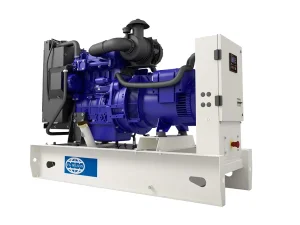
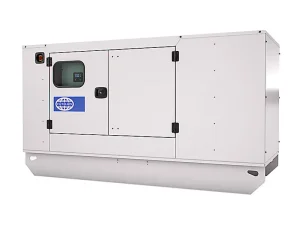
Global Grid Vulnerability & The Evolution of Residential Standby Power
Extreme climate shifts, volatile microgrid transitions, and overloaded centralized utilities have transformed domestic emergency generators from seasonal convenience items into essential baseline security assets.
Grid Instability & Climate Shocks
Superstorms, winter deep freezes, and heatwaves place unpredictable stress on municipal networks. Standby domestic generation provides immediate load shedding defense and uninterruptible heating/cooling security.
Economic Asset Preservation
Blackouts jeopardize smart domestic server arrays, medical refrigeration, localized water sanitization, and security perimeters. Modern automated gensets mitigate costly downtime within 10 seconds of grid collapse.
Stringent Urban Acoustic Norms
Suburban environments enforce strict sound barriers (often <65 dBA at 7m). Engineering silent canopies with specialized multi-chamber attenuation is now the definitive export differentiator for top Chinese suppliers.
Engineering Architecture: Small-Range Standby vs. Heavy Estate Gensets
Selecting the optimal emergency residential system requires balancing dynamic inrush currents, total harmonic distortion (THD), and fuel autonomy under prolonged blackouts.
| Architecture Class | Typical Capacity | Primary Domestic Applications | Acoustic Canopy Spec | Harmonic Distortion | Starting Method |
|---|---|---|---|---|---|
| Compact Residential | 7.5 kVA - 14 kVA | Essential circuits: Refrigeration, lighting, WiFi, sump pump | Single-stage acoustic, 65-68 dBA | < 5% THD (Pure Sine) | Electric / Auto ATS |
| Full-Home Standby | 20 kVA - 65 kVA | Whole-house central HVAC, EV charging, domestic pumps | Dual-chamber silent, 60-64 dBA | < 3% THD | Dual Smart ATS Interface |
| Luxury Estate / Compound | 90 kVA - 220 kVA | Multi-structure estates, heated pools, guest units, server racks | Heavy industrial silent, < 62 dBA | < 2.5% THD | Multi-unit Paralleling / ATS |
| Critical Commercial/Mixed | 225 kVA - 800+ kVA | Residential towers, remote micro-communities, dual-fuel hubs | Weatherproof ISO container canopy | < 2% THD | PLC Automated Scada Sync |
Export Certifications & Localized Regulatory Alignment
Beijing Xinda Creation guarantees seamless global customs clearance, grid interconnect compatibility, and safety compliance across North American, European, Latin American, and Middle Eastern jurisdictions.
ISO 9001 / 14001 / 45001
Fully accredited quality management, environmental safety, and occupational welfare across entire engine assembly and alternator testing phases.
CE Machinery Directive
Harmonized compliance with 2006/42/EC, Low Voltage Directive (LVD) 2014/35/EU, and Electromagnetic Compatibility (EMC) 2014/30/EU standards.
UL 2200 / NFPA Matching
Stationary engine-generator assemblies configured with fire-retardant wiring, double-wall fuel tanks, and fault containment matching local fire codes.
EPA Tier & Stage V Solutions
Low-emission electronic injection power plants equipped with particulate traps and catalytic elements to meet strict localized environmental standards.
Engineered Deployment for Diverse Residential Topologies
From high-humidity tropical coastlines to alpine properties subject to heavy snowfall, our systems are tailored for extreme resilience.
Coastal Residential Microgrids
Anti-corrosion powder-coated enclosures, stainless steel latches, and conformal-coated control boards designed to resist coastal salt-spray and sustained tropical humidity.
Sub-Zero & High-Altitude Estates
Equipped with automated jacket water pre-heaters, fuel line heating blankets, high-capacity cold-cranking batteries, and altitude derating calculations for mountain villas.
High-Density Suburban Communities
Acoustic labyrinth intake/exhaust baffles and critical-grade residential silencers ensure continuous operation without disturbing neighboring properties.
Future Outlook: Hybrid Residential Gensets & Clean Fuel Transitions
The next decade of domestic emergency power integrates traditional combustion reliability with renewable battery energy storage (BESS) and intelligent IoT telemetry.
Smart Hybrid Integration (Genset + ESS)
Direct communication protocols allow our standby generators to pair with rooftop solar inverters and home lithium battery systems, running only at optimal brake-specific fuel consumption (BSFC) curves.
Dual-Fuel & Biofuel Readiness
Upgraded carburation and injection timing allowing immediate switching between standard diesel, natural gas, LPG, and certified HVO (Hydrotreated Vegetable Oil) for an immediate 85% carbon offset.
AI Predictive Telematics
Cloud-connected genset controllers monitor fuel shelf life, crank battery impedance, and filter differential pressures, providing pre-failure alerts straight to smartphone applications.
Engineering & Sourcing Questions Answered
Key technical criteria reviewed by homeowners, property managers, and international distributors prior to ordering standby generator sets.
How do I size an emergency generator for residential HVAC and motor loads?
What is the difference between single-phase (230V/240V) and three-phase (400V/208V) for homes?
How does the Automatic Transfer Switch (ATS) interact with the home distribution panel?
What routine maintenance is required to prevent generator failure during an emergency?
What warranty, component sourcing, and export support does Cinda Creation provide?
Heavy-Duty Medium & Large Range Emergency Generators
Commercial-scale continuous and standby units configured for apartment complexes, hospitals, remote microgrids, and agricultural complexes requiring high-load stability.