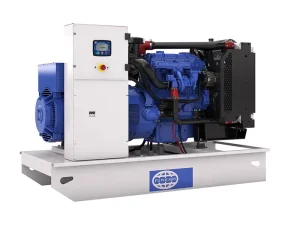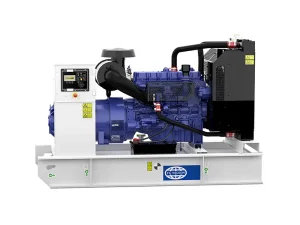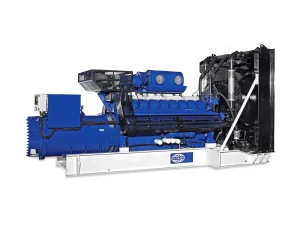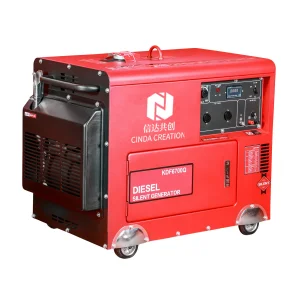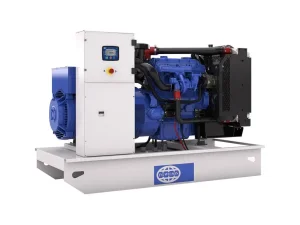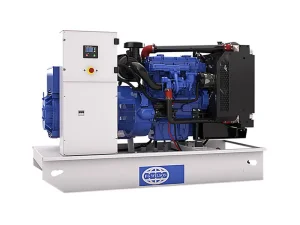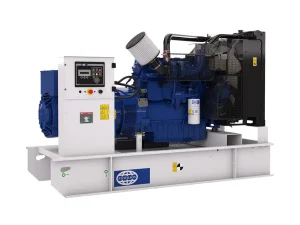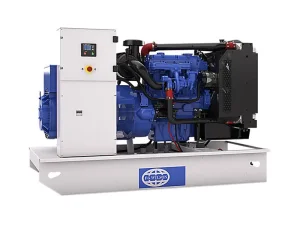
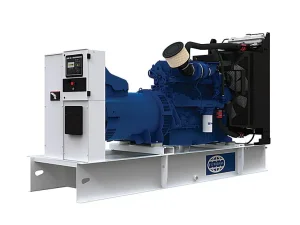
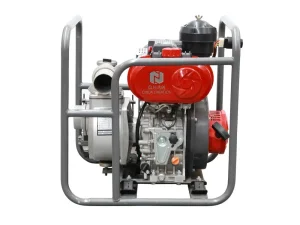
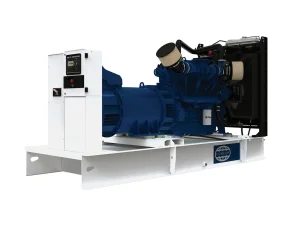
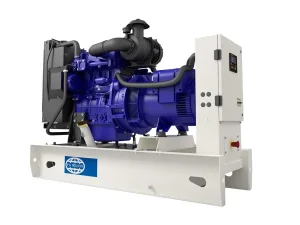
Primary Emergency Generation Fleet
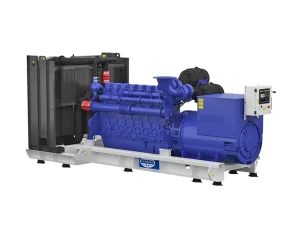
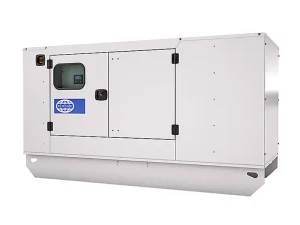
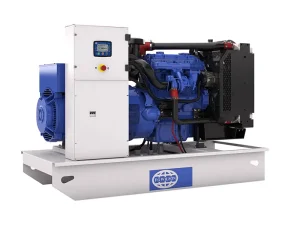
Explore our certified heavy-duty diesel gensets and precision engineering solutions, rigorously stress-tested for rapid synchronization and immediate emergency power dispatch.
Global Energy Volatility & Emergency Power Trends
In an era defined by extreme climate anomalies, aging municipal grid infrastructure, and escalating energy transition burdens, emergency standby generators have transformed from reactive insurance to mission-critical operational assets.
Grid Decoupling & Peak Shaving
Global procurement metrics show a significant pivot: contemporary enterprises require emergency generators capable of both black-start grid isolation and synchronized peak-lopping integration to mitigate skyrocketing utility tariffs during periods of grid volatility.
Fault-Tolerant Redundancy
Data infrastructure, biomedical cold chains, and automated manufacturing hubs demand N+1 and 2N parallel architecture. The focus has moved toward sub-10-second ignition, instant block-load capacity, and closed-transition automatic transfer switch (ATS) integration.
Hybrid Microgrid Integration
Modern emergency diesel systems are no longer isolated. They serve as reliable base-load anchors within combined solar photovoltaic (PV), battery energy storage system (BESS), and diesel hybrid microgrids, providing clean, uninterrupted power security.
China Factory 4.0: Supply Chain Agility & Cost Leadership
Harnessing smart manufacturing, localized core component integration, and modular engineering to supply precision-engineered power equipment with unrivaled turnaround times.
Vertical Cluster Efficiency
By co-locating cast-iron engine casting, copper winding manufacturing, laser-cut canopy fabrication, and digital ATS switchgear production within centralized industrial corridors, we eliminate Tier-2 logistics bottlenecks and slash lead times by over 40%.
Automated Quality Assurance
Every generator undergoes automated computer-aided dynamometer bench-testing, full transient load acceptance simulation, vibration harmonics analysis, and insulation impedance testing prior to export packing, ensuring zero field commissioning errors.
Unmatched Value Engineering
Through standardization of core FG Wilson, Cummins, Perkins, and Weichai design protocols, our clients gain world-class build standards and component interchangeable compatibility at a capital outlay 30% to 50% lower than traditional Western OEMs.
Tailored Applications & Harsh Environments
Engineered to perform in severe climates and demanding operational parameters—from sub-zero Arctic pipeline pumping to high-ambient desert installations.
Tier III & IV Data Centers
Designed for uptime. Features high-capacity digital voltage regulators (DVR), permanent magnet generators (PMG) for sustained short-circuit performance, and sub-second transient load recovery matching strict Uptime Institute parameters.
Continuous Mining & Pipelines
Reinforced structural skid bases, dual-stage cyclonic heavy-duty air filtration, and specialized anti-corrosion marine-grade coatings engineered to thrive in hyper-arid, sandy, or offshore environments.
Acoustic-Sensitive Healthcare
Ultra-silent weather-protective enclosures utilizing rockwool acoustic attenuation baffles, internal residential silencers, and anti-vibration elastomeric mountings to limit noise emissions below 68 dBA at 7 meters.
Procurement & Technical Engineering FAQ
Essential guidance for global facility managers, MEP engineers, and commercial procurement directors.
How do you differentiate Prime Power (PRP), Standby Power (ESP), and Continuous Power (COP)?
Emergency Standby Power (ESP) is the maximum rating available for variable electrical loads during a utility failure, up to an average load factor of 70% with no overload capacity. Prime Running Power (PRP) permits unlimited annual hours with a 10% overload margin for 1 hour every 12 hours. Continuous Power (COP) is designed for continuous baseload running at 100% constant load without utility availability. Sizing must be evaluated against ISO 8528 standards.
What derating parameters are applied for high altitude and extreme ambient temperatures?
Standard ratings assume 25°C ambient temperature and elevation under 1,000 meters. For environments exceeding 40°C, engine output derates by approximately 2-3% per 5°C increase. For operations above 1,000m, an additional derate of 3-4% per 300m elevation is applied due to lower air density. We calculate precise turbocharger and cooling adjustments for every specific project site.
How do Chinese manufacturing hubs ensure genuine engine and alternator pedigree?
We work exclusively with authorized global component ventures (Perkins, FG Wilson, Cummins, Stamford, Leroy-Somer) and premier domestic engine brands like Weichai. Every unit includes verifiable serial tracking, factory test certificates (FAT), full ISO 9001 quality audits, and manufacturer-backed warranty credentials recognized by international insurers.
What is the typical shipping lead time and sea freight protection protocol?
Standard units (20kVA – 500kVA) generally ship within 15–20 business days; customized parallel large-range systems ship within 30–45 days. Export protection includes vacuum moisture-sealed packaging, anti-corrosion preservation fluids, reinforced container securing, and complete export documentation under CIF, FOB, or DDP terms.
Industrial & Severe Duty Power Systems
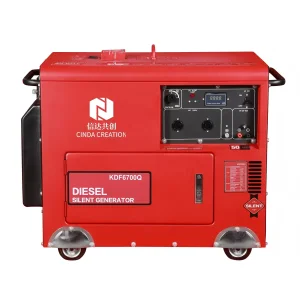
Advanced open-frame and silent canopy models engineered for continuous operational efficiency, fuel economy, and seamless ATS facility integration.