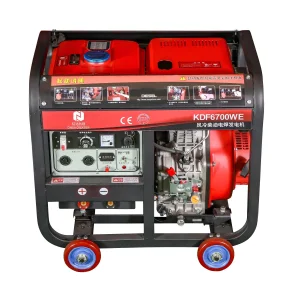
China Gas Generator Set Exporters & Service
Pioneering High-Efficiency Distributed Energy Solutions, Low-Emission Cogeneration, and Advanced Natural Gas & Biogas Genset Systems for Global Commercial and Heavy Industrial Infrastructure.
High-Performance Generator Sets & Sourcing Catalog
Pre-configured, factory load-bank tested, and packaged for continuous prime, peaking, and emergency mission-critical installations.
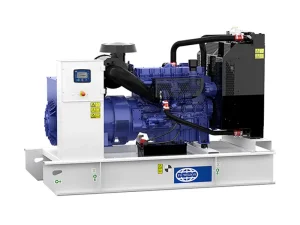
High-Quality Wilson Small Range <220 kVA Advanced Power Generator P165-6 Supplier, Exporters
Configure Model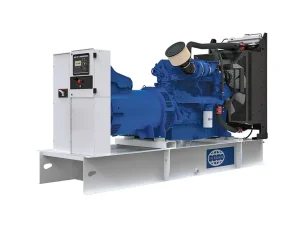
China Medium Range 225 – 938 kVA-P450-3-SA FG Wilson Diesel Generator Suppliers, Exporters
Configure Model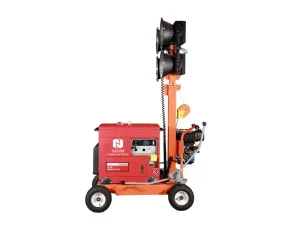
High-Quality Noise Reduction Technology Silent Generator Set KDF8500Q(-3) Suppliers, Exporter
Configure Model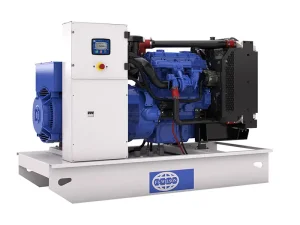
Cheap Wilson Small Range <220 kVA Portable Diesel Generator P50-3 Exporters, Service
Configure Model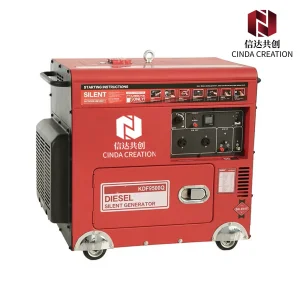
High-Quality 6.6kVA 8KW Silent Diesel Generator Set Diesel Engine with Soundproof Enclosure Supplier, Service
Configure Model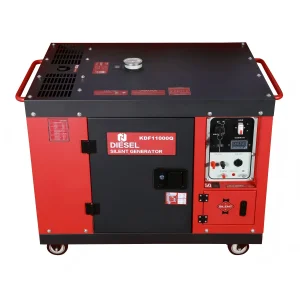
Cheap Powerful silent small diesel generator sets Low Noise for Camping and Home Suppliers, Exporter
Configure Model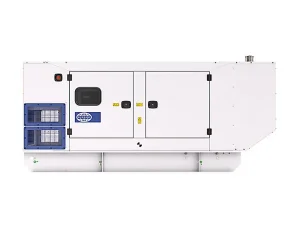
China FG Wilson Generator Set Medium Range 225 – 938 kVA P300-4 Suppliers, Exporters
Configure Model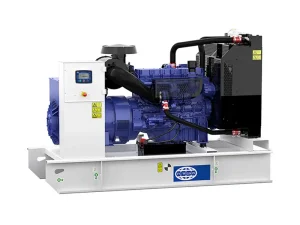
China FG Wilson Generator Sets Power You Can Trust Small Type P200-3 Supplier, Service
Configure ModelMacro Dynamics: The Global Pivot to Gas Power Generation
How stringent emission controls, volatile fuel markets, and decentralization drive the commercial and industrial demand for gas-fired gensets across continents.
Grid Volatility & Base Peaking
The intermittent nature of renewable energy (solar, wind) necessitates rapid-start thermal power backups. Industrial natural gas generator sets offer start-to-full-load ramp rates within 90 seconds, bridging the reliability gap for sensitive data processing centers and advanced production lines.
- Sub-2-minute emergency ramp capabilities
- Zero diesel storage contamination degradation
Levelized Cost of Energy (LCOE)
Natural gas, LNG pipeline networks, and flare gas reduction programs provide substantial operating expense (OPEX) advantages over conventional diesel. In continuous prime operations (>6,000 hours annually), natural gas gensets typically realize complete capital expenditure (CAPEX) payback in under 24 months.
- 35% to 55% direct fuel cost reduction vs diesel
- Reduced exhaust aftertreatment consumable costs
ESG Regulatory Alignment
Global regulatory bodies (EU Stage V, US EPA Tier 4 equivalent standards) require precipitous drops in particulate matter (PM) and nitrous oxides. Gas internal combustion engines yield virtually non-detectable soot and reduce carbon dioxide output by up to 25% compared to heavy fuel alternatives.
- Compliance with urban strict noise and emission zoning
- Seamless adaptation to Hydrogen blends (up to 20% H₂)
Why Chinese Gas Generator Set Exporters Lead Global Deployments
Combining vertically integrated heavy mechanical engineering, intelligent digital load balancing, and agile international export management.
Proprietary ECU & Lean Burn
Integration of multi-point sequential electronic gas injection systems, smart anti-knock control algorithms, and wide-band lambda sensors that automatically adapt to fluctuating gas calorific values (methane numbers 50 to 90+).
Supply Chain Density
Unmatched local component ecosystem: engine castings, deep-groove alloy crankshafts, digital alternators (Leroy-Somer, Stamford licensed), and precision acoustic enclosures manufactured within high-precision industrial corridors.
Full Dynamic Testing
Every generator undergoes step-load transient responsiveness verification (0-25-50-75-100-110%), ISO 8528 compliance checks, and thermal runaway monitoring prior to containerization and maritime logistics clearance.
Comprehensive Service SLA
Exporting is backed by digitalized remote SCADA diagnostics, guaranteed 24-hour engineering dispatch consultation, and worldwide genuine component dispatch via our Perkins and OEM strategic depots.
Mission Environments: Real-World Localized Operations
Tailored thermodynamic and acoustic packaging suited to harsh environmental extremes and diverse gaseous fuel profiles.
Combined Heat & Power (CHP) / CCHP
For chemical complexes, food processing centers, and district heating plants, gas gensets operate with plate-type jacket water heat exchangers and shell-and-tube exhaust gas recovery boilers. Total thermal efficiency exceeds 85%, producing high-pressure saturated steam or chilled water via absorption chillers.
Oilfield & Associated Gas Recovery
Field installations (such as the landmark 2,400-km China–Myanmar pipeline infrastructure) utilize unconditioned wellhead casing gas and coal-bed methane. Heavy-duty gas fuel train filtration removes H₂S, siloxanes, and liquid condensates, turning volatile flare gas into reliable local electricity.
Biogas, Landfill & Agro-Waste Plants
Designed for agricultural manure anaerobic digesters and municipal municipal waste dumps. Featuring stainless steel intake piping, specialized anti-corrosion valve alloys, and custom air-fuel ratio controllers built to handle low-calorific methane levels (35% to 50% CH₄) without derating output.
| Evaluation Parameter | Natural Gas (Pipeline / LNG) | Biogas & Waste-to-Energy | Associated Wellhead Gas | Standard Diesel (Baseline) |
|---|---|---|---|---|
| Calorific Range (MJ/Nm³) | 34 – 38 MJ/Nm³ | 18 – 24 MJ/Nm³ | 30 – 50 MJ/Nm³ (Variable) | 36 MJ/L (Liquid) |
| Fuel Compression Pressure | 0.1 – 0.3 MPa | 0.01 – 0.05 MPa (Blower) | 0.15 – 0.4 MPa | Atmospheric Tank Pump |
| Emissions: NOx Profile | <250 mg/Nm³ (Lean Burn) | <500 mg/Nm³ | <350 mg/Nm³ | >800 – 1200 mg/Nm³ |
| Continuous Prime Duty | Unlimited (Baseload) | Unlimited (Baseload) | Continuous (Field Power) | Derated after long hours |
| Expected LCOE Advantage | 40% vs Diesel | Up to 70% (Free Waste Fuel) | Up to 65% (Flare Offset) | High Exposure to Oil Fluctuations |
Technological Roadmaps & International Procurement Criteria
A comprehensive procurement guide for EPC engineering contractors, mine developers, utility operators, and industrial facilities.
Hydrogen & Alternative Fuel Blends
Next-generation engines built with hardened exhaust seats, advanced anti-backfire ignition controls, and variable valve timing enable flexible co-firing of Natural Gas blended with 5% to 20% Hydrogen (H₂). This cuts immediate Scope 1 carbon footprints without requiring a complete overhaul of genset balance-of-plant systems.
Cloud-Linked Predictive SCADA
Modern export-grade generator installations integrate edge computing devices executing real-time IoT diagnostic checks. Operational metrics (oil temperature, vibration spectra, cylinder pressure variance, knock likelihood) are monitored in real time, triggering proactive Perkins/OEM component maintenance before unpredicted outages happen.
Modular Turnkey Microgrids
The transition toward packaged containerized genset bays (20ft and 40ft High Cube ISO specifications) featuring integrated sound attenuation, multi-unit synchronizing switchgear, fire suppression, gas gas-detection manifolds, and ATS systems. Plug-and-play installation minimizes civil work on overseas job sites.
Frequently Asked Questions: Industrial Gas Generator Sets
In-depth technical answers addressing fuel chemistry, sizing calculations, continuous prime operation, and international export servicing.
What is the difference between Prime, Standby, and Continuous ratings for gas gensets?
Standby Power Rating: Applicable for supplying emergency electrical power for the duration of a utility outage (no overload capacity allowed, typically limited to 200–500 operating hours annually).
Prime Power Rating (PRP): Designed for unlimited annual hours in a variable load situation (maximum 70% average load over any 24-hour cycle, with 10% overload available for 1 hour every 12 hours).
Continuous Base Load (COP): Specifically applicable to gas generator sets running at a constant 100% load continuously for up to 8,760 hours a year (common in power plants, CHP stations, and pipeline pumping stations).
How does gas fuel quality and Methane Number affect engine output and knock threshold?
The Methane Number (MN) measures the anti-knock quality of gaseous fuels, analogous to the Octane Rating for gasoline. Pure methane (CH₄) has an MN of 100. Pipeline quality natural gas generally measures between 75 and 85 MN. Heavy hydrocarbons (ethane, propane, butane) drastically lower the MN, increasing the likelihood of uncontrolled detonation (engine knocking). When fuel with an MN below 70 is detected, our lean-burn ECU automatically retards spark timing or limits turbocharger boost to protect the cylinder head, avoiding costly structural damage while sustaining power output.
How does a Combined Heat and Power (CHP) system maximize gas generator efficiency?
A standard high-efficiency gas internal combustion engine converts approximately 38% to 44% of fuel energy into electrical power. The remaining 56% to 62% is rejected as heat through engine jacket coolant, oil coolers, charge air coolers, and hot exhaust gases (typically exceeding 450°C). By implementing a custom CHP heat exchanger package, we recover thermal energy to produce hot water (85°C to 90°C) or steam, boosting overall fuel utilization past 85%. This substantially lowers operational utility costs for hospitals, factories, and commercial campuses.
What maintenance intervals are typical for industrial gas generator sets versus diesel?
Because gas is a clean-burning fuel that leaves zero soot or sulfur particulates, lubricating oil degradation occurs primarily through thermal oxidation and nitration rather than soot contamination. Typical oil and filter change intervals range between 1,000 and 1,500 operating hours (compared to 250–500 hours for high-speed diesel sets). Spark plugs are typically inspected and recalibrated every 2,000 hours, top-end valve overhauls occur between 15,000 and 20,000 hours, and major overhaul (overhaul to zero-hour standard) typically takes place at 40,000 to 60,000 hours depending on operating conditions.
What site engineering documentation is required for custom gas genset export quotation?
To establish a definitive price, thermodynamic configuration, and balance of plant design, overseas buyers must provide:
1. Gas Chromatography Analysis: Breakdown of CH₄, C₂H₆, C₃H₈, CO₂, N₂, and H₂S concentrations along with lower heating value (LHV).
2. Site Operating Environment: Altitude above sea level, maximum ambient summer temperatures, and minimum winter temperatures for derating evaluation.
3. Electrical Parameters: Target output voltage (400V, 415V, 3.3kV, 10.5kV), frequency (50 Hz or 60 Hz), target power factor (0.8 lag), and single or parallel utility grid connection requirements.
4. Duty Configuration: Island mode, baseload continuous parallel, or peak-shaving auto-transfer operation.
Heavy Duty & Mobile Generator Systems
Engineered for harsh mining, industrial plant rooms, civil construction, and remote telecom tower networks.
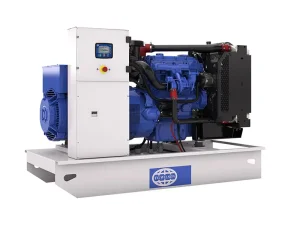
Cheap Wilson 40KVA Industrial Power Generator Small Range <220 kVA P40-4S Supplier, Exporter
Configure Model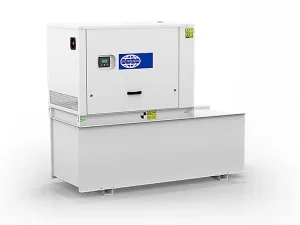
China Wilson Open Type Small Diesel Generator Sets 400/230 V, Standby9.5kVA/7.9kw P9.5-1 Exporter, Service
Configure Model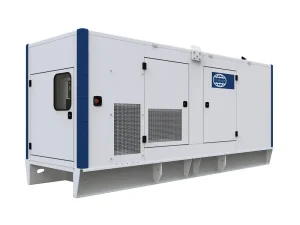
Cheap Medium Range 225 – 938 kVA Fg Wilson Generator P438-3 Suppliers, Exporter
Configure Model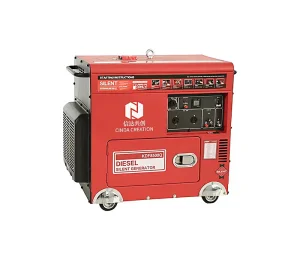
High-Quality Quiet 7.5KVA Diesel Generator Reliable Power Minimal Noise for Building Backup Power Exporter, Service
Configure Model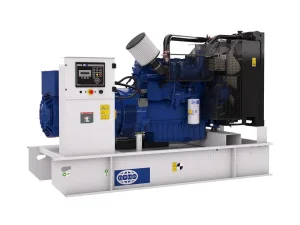
High-Quality FG Wilson 225-938kVA High-Efficiency Generator Set, Stable Power Supply Solution P275-2 Supplier, Exporters
Configure Model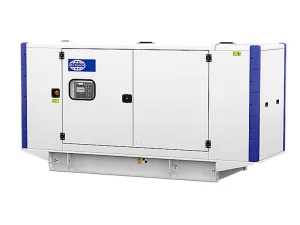
Cheap Wilson 50KVA Diesel Generator Industrial Power Solution P50-4 Supplier, Service
Configure Model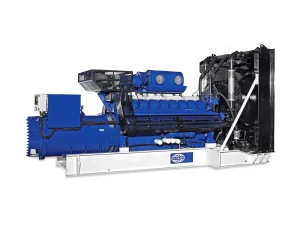
Cheap Fg Wilson Industrial Diesel Generator Set (800-2500kva) P1875-1 Exporter, Service
Configure Model