
Industrial Distributed Generation Units
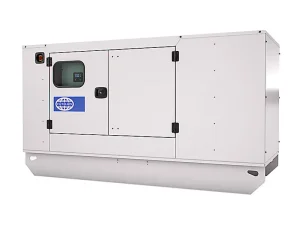
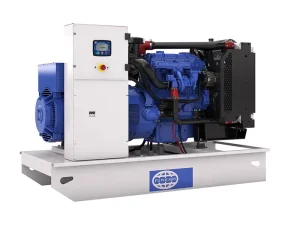
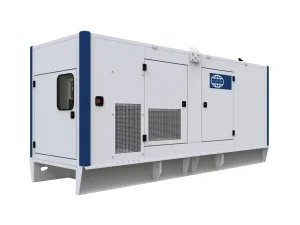
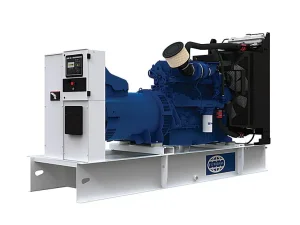
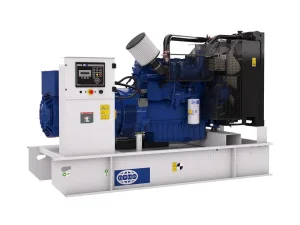
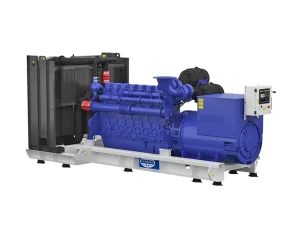
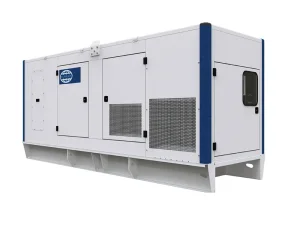
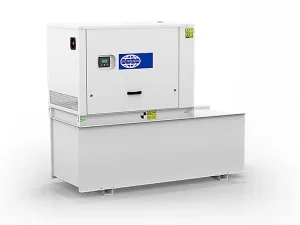
Continuous-duty, open-type, and silent-enclosure power units calibrated for prime and standby duty cycles across demanding environments.
The Global Industrial Status of Natural Gas Gensets
As international energy frameworks shift away from heavy carbon distillates toward methane-rich alternatives, gas generator sets have transitioned from auxiliary reserves to central baseload assets.
Grid Volatility & Peaking Capacity
Intermittent renewable sources (wind, solar) require rapid-response electrical balancing. Gas generator sets deliver ramp-up times under 15 seconds, operating as decentralized peaking units that safeguard municipal and industrial microgrids against blackout cascades.
Methane Abatement & Associated Gas
Flare gas reduction regulations in oilfields have catalyzed a global shift toward on-site flare-to-power generation. Natural gas reciprocating engines convert wellhead waste gases into commercial electrical output, drastically reducing direct atmospheric venting.
Combined Heat & Power (CHP/CCHP)
Modern industrial facilities leverage tri-generation configurations. By capturing high-temperature thermal exhaust through heat recovery steam generators (HRSG), total systemic fuel efficiency expands from an electrical baseline of 42% to an aggregate thermal-electrical efficiency exceeding 88%.
Chinese Factory Efficiencies: The Supply Chain Ecosystem
Combining world-class component sourcing (Perkins, FG Wilson, Weichai) with end-to-end metallurgical engineering, digital load testing, and direct logistic corridors from Beijing.
| Engineering Attribute | Conventional Standalone Gensets | China Optimized Gas Solutions (Cinda Creation) | Procurement Value Differential |
|---|---|---|---|
| Combustion Architecture | Fixed-ratio mechanical fuel injection | Closed-loop ECM lean-burn electronic injection | 12-18% fuel mass savings; reduced NOx profiles |
| Thermal Integration | Atmospheric vent stack dissipation | Custom jacket-water & exhaust heat exchangers | Yields steam, hot water, or absorption chilling |
| Acoustic Mitigation | Standard 85 dBA @ 1m industrial casing | Aero-acoustic baffled silent canopies (<68 dBA) | Permissible for residential, hospital & urban installation |
| Component Redundancy | Single control-plane architecture | Dual Deep Sea/ComAp parallel controllers with ATS | Seamless grid synchronization and sub-cycle transfer |
Mission-Critical Application Deployments
From transcontinental energy corridors to extreme sub-zero installations, our power units deliver uncompromised uptime across global terrains.
2,400 km China–Myanmar Pipeline
A flagship project featuring 17 natural gas units and 5 diesel generators operating in synchronized prime duty. Designed to withstand fluctuating gas pressures and harsh cross-border environments, ensuring constant telemetry and pump operations.
Sub-Zero & Arctic Deployments
Engineered with integrated jacket pre-heaters, synthetic low-pour-point lubricant channels, and automated air intake louvers. Built on FG Wilson platforms that have run continuously in Arctic perimeter stations for over 20 years.
Healthcare & Critical Life-Support
Mobile trailer units and permanent acoustic installations serving field clinics, regional trauma centers, and medical staging zones. Integrated with instant Automatic Transfer Switches (ATS) ensuring zero interruption to diagnostics and cold storage.
Mega-Infrastructure & Aviation
Temporary and standby power modules delivered for massive aviation hubs, such as our project deployment for a modern international airport terminal in Ethiopia, providing stable voltage profiles across inductive motor loads.
Future Trends & B2B Buyer Specifications
Procurement teams require multi-faceted energy strategies combining lower emissions, digital telemetry, and high uptime warranties.
Hydrogen-Blending Capability
Forward-thinking EPC contractors actively specify internal combustion engines capable of running on natural gas mixed with up to 20% Hydrogen (H2) without requiring head re-machining or valve seating replacements.
IoT Cloud Fleet Telemetry
Global operators mandate remote vibration tracking, cylinder knock detection, and lube-oil viscosity monitoring via 4G/Satellite SCADA modules, predicting mechanical intervention cycles up to 500 operational hours in advance.
Comprehensive TCO Optimization
The total cost of ownership model dominates generator procurement. Natural gas engines exhibit long maintenance cycles (overhauls at 30,000–40,000 hours), drastically lowering lifecycle expenditure compared to heavy fuel alternatives.
Technical Sizing & Configuration Framework
A rigorous review protocol applied by Beijing Xinda Creation Machinery Equipment Co., Ltd. before manufacturing and dispatch.
01. Electrical Load Modeling
Calculating starting KVA vs running kW. Distinct inductive motor loads (pumps, compressors) generate high inrush currents that demand transient reactance damping (X"d) below 12% to prevent voltage collapse.
02. Gas Composition Analysis
Determining the Lower Heating Value (LHV), Methane Number (MN), and hydrogen sulfide (H2S) concentration. Gases with low methane numbers receive custom timing retardation to prevent detonation.
03. Environmental Derating
Standard rating assumptions (ISO 3046: 25°C, 100 kPa, 30% relative humidity) must be derated for high-altitude mine sites or desert climates above 45°C to size cooling packages accurately.
Frequently Asked Questions (FAQ)
Clear, engineering-led answers addressing procurement, fuel compatibility, operational lifecycles, and sizing parameters.
What is the core distinction between Prime (PRP) and Standby (ESP) ratings?
Can standard diesel sets be converted to natural gas in the field?
What are the pipeline pressure requirements for industrial gas gensets?
How does ambient temperature and altitude affect genset output?
What spare parts and warranty commitments back export units?
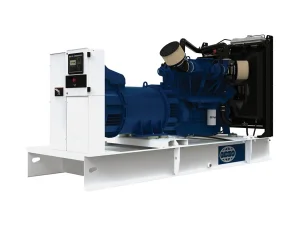
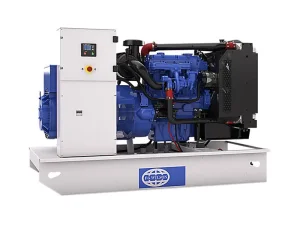
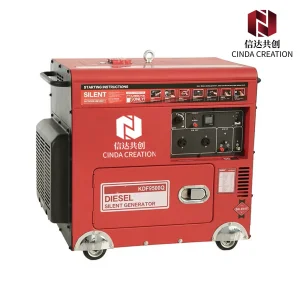
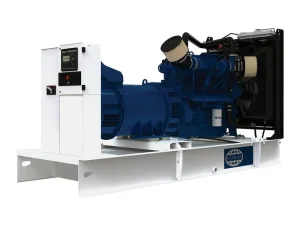
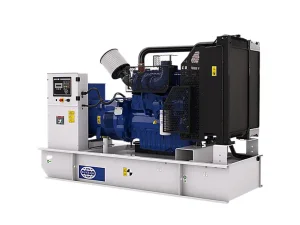
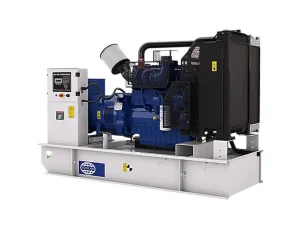
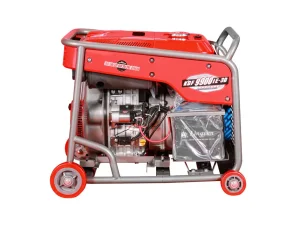
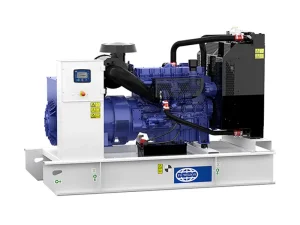
Modular, Open & Heavy-Duty Generation Platforms
Acoustic-enclosed sets, high-power prime packages, and variable-frequency systems built to international ISO standards.
Direct Industrial Consultation & Engineering Liaison
Every generator platform configured by Beijing Xinda Creation Machinery Equipment Co., Ltd. leaves our Beijing integration facilities fully audited for mechanical balance, thermal dissipation capability, and transient load response. Whether deploying remote wellhead flare gas units or high-density urban standby generators, our engineering specialists verify all parameters—from line frequency (50 Hz / 60 Hz) and operational voltage to gas lower heating values (LHV)—ensuring rapid commissioning and dependable multi-decade lifecycle performance.