
Featured Soundproof Generator Systems & Prime Units
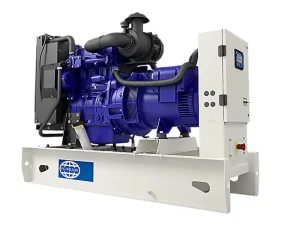
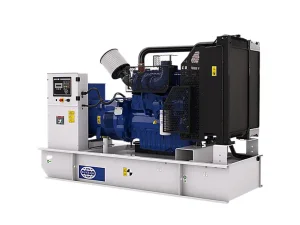
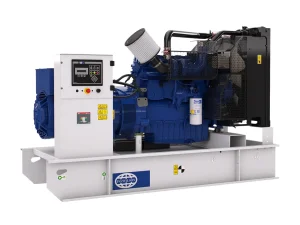
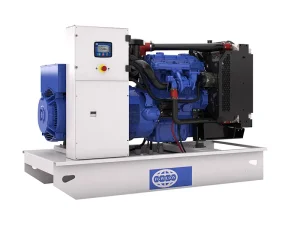
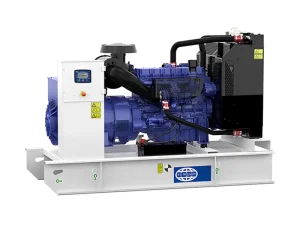
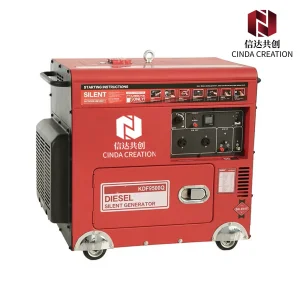
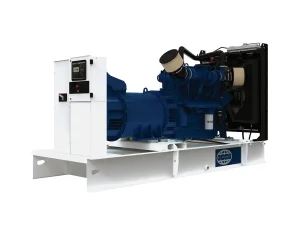
Engineered for low-decibel performance, continuous prime operation, and mission-critical standby duty. Each configuration undergoes comprehensive pre-delivery load bank testing.
Global Silent Generator Pricing Dynamics & Cost Structures
A comprehensive engineering-grade analysis of China silent generator pricing, raw material indexation, acoustic canopy fabrication economics, and powertrain selection.
Powertrain Valuation Metrics
The core internal combustion engine accounts for 45% to 62% of the aggregate generator set bill of materials (BOM). Genuine Perkins-powered FG Wilson units represent premium capital investments with exceptional mean time between overhauls (MTBO > 20,000 hours), whereas Weichai diesel platforms provide unmatched cost-per-kilowatt ratios in continuous heavy-duty cycles.
Acoustic Attenuation Capex
Transforming an open-frame unit into a silent or super-silent canopy model adds between 18% and 32% to FOB unit costs. This price delta reflects electro-galvanized cold-rolled steel housing (2.0mm to 3.0mm thickness), multi-chamber silencers with rockwool sound absorption linings, anti-vibration elastomeric mountings, and powder-coated weatherproofing.
Switchgear & ATS Digital Integration
Synchronous brushless alternators with Class H insulation and advanced digital controllers (Deep Sea Electronics DSE7320/8610, ComAp InteliLite, or Woodward) allow automated multi-genset load sharing. Intelligent Automatic Transfer Switch (ATS) sub-assemblies contribute 5% to 12% of the initial capital deployment while eliminating outage risks.
| Capacity Classification | Typical Engine Architecture | Acoustic Threshold (@7m) | Standard Fuel Autonomy | Commercial Price Spectrum (USD, FOB China) | Ideal Deployment Vector |
|---|---|---|---|---|---|
| Small Range (<220 kVA) e.g., P11-6S, P55-4, P90-6S, P110-6 |
Perkins 403 / 404 / 1104 Series 3-4 Cyl. | 65 – 70 dBA (Residential Grade) | 8 – 12 Hours (Base Fuel Tank) | $4,800 – $18,500 | Retail banking, medical clinics, telecoms, light commercial facilities. |
| Medium Range (225 – 938 kVA) e.g., P249-5, P300-5, P500-3, P625-3 |
Perkins 1206 / 1506 / 2000 Series / Weichai | 70 – 75 dBA (Industrial Attenuated) | 8 Hours Standard (Bulk Tank Ready) | $19,200 – $68,000 | Manufacturing plants, cold chain logistics, construction prime power. |
| Large Range (>800 kVA – 2500 kVA) e.g., P813-1, P1375-1, Containerized |
Perkins 4006 / 4008 / 4012 / 4016 Series | 75 – 82 dBA (Containerized Acoustic) | Custom ISO 20ft / 40ft Containers | $72,000 – $220,000+ | Hyperscale data centers, deep mining, national grid peaking, pipelines. |
Global Silent Generator Sourcing Realities
Understanding why international project contractors, municipal water utilities, and resource extraction operators import silent generator sets from qualified Chinese assembly and integration hubs.
Data Infrastructure Redundancy
With the worldwide explosion of AI computing clusters and regional data center construction across Southeast Asia (Malaysia, Indonesia, Vietnam) and the Middle East (UAE, Saudi Arabia), demand for high-reliability silent gensets has surged. Procurement directors prioritize Chinese supply chains for rapid lead times (4–6 weeks vs. 26–40 weeks from Western plants) without sacrificing tier-one powertrain integrity.
Urban Environmental Legislation
Municipal environmental protection laws in European, Latin American, and Asian metropolises enforce strict decibel limits on construction sites and nighttime standby power installations. Silent generators must operate at or below 68–72 dBA at 7 meters under 100% prime load, driving acoustic engineering from simple steel boxes to tuned, computational fluid dynamics (CFD) designed sound attenuators.
Total Cost of Ownership (TCO) Shift
Modern buyers evaluate total lifecycle expenditures rather than initial sticker prices alone. By pairing genuine Perkins engines with high-efficiency Leroy-Somer or Stamford alternators assembled in China, operators benefit from a 20% to 35% reduction in initial capital deployment (CAPEX), backed by universally accessible aftermarket consumables and certified Perkins overhaul components.
Mission-Critical Operating Environments
Proven engineering architectures tested across sub-zero Arctic tundras, hyper-arid desert pipelines, and noise-critical hospital trauma wards.
High-Ambient Desert Enclosures
Standard soundproof canopies suffer thermal de-rating when ambient temperatures exceed 40°C. Cinda Creation's heavy-duty desert configurations utilize oversized 50°C tropical radiators, heavy-gauge sand-trap intake louvers, and dual-stage air filtration to guarantee non-derating operation along long-distance pipeline routes and oilfields.
Sub-Zero Arctic Cold Start Systems
Operating in ambient extremes down to -40°C requires integrated thermal management. Our sets feature thermostatically controlled coolant jacket pre-heaters, fuel line heating coils, automatic synthetic lube oil sumps, and motorized air intake dampers that close when idle to preserve internal engine core heat.
Healthcare & Emergency Standby
Hospitals and surgical complexes demand immediate power restoration within 10 seconds of grid failure, adhering to NFPA 110 Type 10 standards. Ultra-silent canopies lower operating acoustic output to sub-65 dBA, avoiding patient disturbance while supplying smooth, low-harmonic power for imaging devices.
Engineering Roadmap: Hybrid Microgrids & Decarbonization
How Chinese silent generator manufacturers are adapting internal combustion systems for low-carbon fuels, battery energy storage system (BESS) integration, and intelligent predictive diagnostics.
Genset-BESS Hybrid Architecture
The next decade belongs to hybrid power generation. Integrating a variable-speed diesel generator with a lithium iron phosphate (LFP) battery energy storage container allows the generator to run strictly at peak fuel-efficiency zones (70%–85% load factor). Battery banks absorb low-load demands, reducing engine run-hours by up to 60%, slashing fuel consumption, and multiplying unit operational lifespan.
HVO & Synthetic Biofuel Compatibility
To meet international ESG mandates, modern Perkins and Weichai engines exported by Cinda Creation are certified for 100% Hydrotreated Vegetable Oil (HVO) and EN 15940 compliant paraffinic diesel. This allows industrial clients in Europe and North America to achieve net-green standby power with up to 90% reductions in lifecycle greenhouse gas emissions without changing engine blocks.
AI-Driven Predictive Telematics
Modern silent generators are equipped with industrial IoT gateways transmitting real-time operational telemetry via Modbus/4G networks. Edge controllers monitor cylinder exhaust temperature differentials, lubricating oil viscosity degradation, and winding harmonic distortion, alerting fleet managers to maintenance anomalies weeks before catastrophic component failure occurs.
Turnkey Macro-Infrastructure Engineering Solutions
Bridging the gap between equipment manufacturing and site-specific power engineering. A look at how Beijing Xinda Creation delivers end-to-end reliability for international project tenders.
Application-Led Generator Sizing
A common engineering pitfall is sizing gensets strictly on running wattage while ignoring motor starting inductive inrush currents. Large motor loads (pumps, chillers, elevators) draw 3 to 6 times their rated current during across-the-line start-up. Our engineering specialists evaluate SkVA (Starting kVA) and transient voltage dips (≤15%) to ensure seamless synchronization without engine stalling.
Certified Quality & Compliance
Equipment exported by Cinda Creation complies with rigorous international manufacturing frameworks: ISO 9001 (Quality Management), ISO 14001 (Environmental Standards), and ISO 45001 (Occupational Health & Safety). Generators are load-bank verified across stepped duty profiles (25%, 50%, 75%, 100%, and 110% overload conditions) before export packing.
Complete Balance of Plant (BOP)
Reliability extends beyond the engine canopy. We configure complete site power balance packages including automatic transfer switches (ATS), fuel transfer systems with day tanks and level sensor interlocks, residential heavy-attenuation exhaust silencers, and customized multi-cabinet synchronizing switchboards for parallel operations.
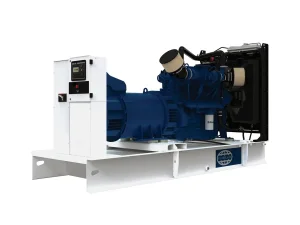
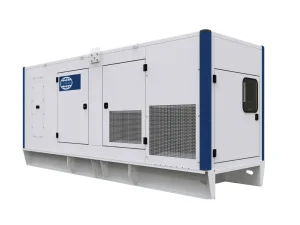
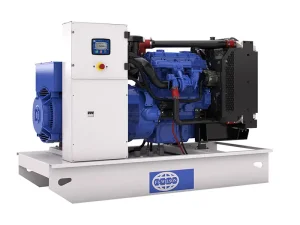
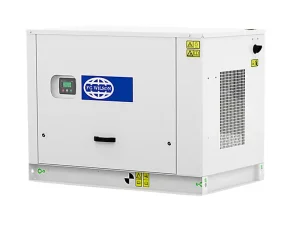
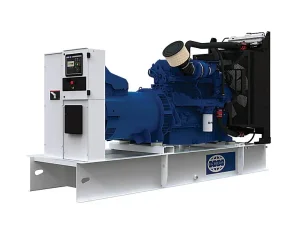
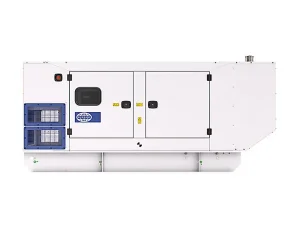
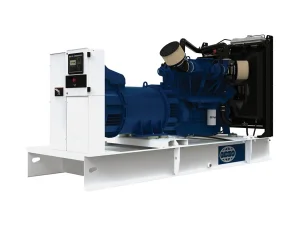
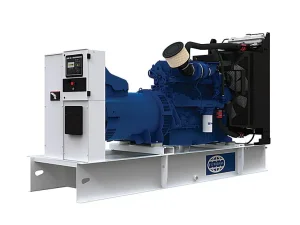
Industrial High-Capacity & Super-Silent Configurations
Medium and large-range power systems engineered for urban low-noise requirements, utility backup, and remote industrial project sites.
Engineering & Procurement FAQ for Global Buyers
In-depth technical answers addressing sizing, pricing variables, acoustic compliance, maintenance intervals, and import procedures.
What are the key engineering factors that dictate China silent generator prices?
What is the practical difference between Prime Power (PRP) and Standby Power (ESP)?
How do you calculate kW to kVA, and how does power factor affect sizing?
kW = kVA × Power Factor (PF).
For standard commercial and industrial three-phase generator sets, the rated power factor is established at 0.8 lagging. Therefore:
kVA = kW ÷ 0.8. For instance, an industrial load requiring 200 kW of continuous real power necessitates a generator set rated at minimum 250 kVA prime (200 ÷ 0.8 = 250 kVA). Sizing calculations must additionally factor in motor starting transients and harmonic distortion de-ratings.
When should buyers choose a silent enclosed generator versus an open-frame set?
What after-sales guarantees, spare parts, and warranty terms does Cinda Creation provide?
What environmental site parameters are required to generate an accurate technical quote?
Request a Customized Silent Generator Technical Quotation & Specification Pack
Connect directly with Beijing Xinda Creation's engineering team to review site loads, calculate motor starting transient requirements, and obtain competitive FOB/CIF commercial pricing for FG Wilson, Perkins, and Weichai generator sets.