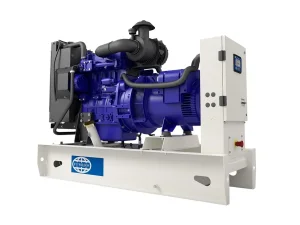
Featured Industrial Generation & Hybrid Solar Equipment
Factory-verified, precision-tuned generation assets configured for independent continuous operation, multi-source hybrid microgrids, and rigorous heavy-duty cycle requirements.
-
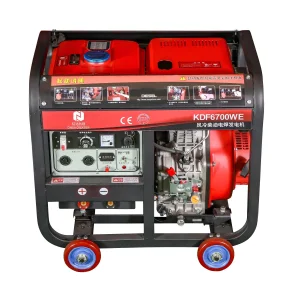
High-Quality Reliable KDF6700WE Electric Welding Diesel Generator Set Protable Suppliers, Exporter
-
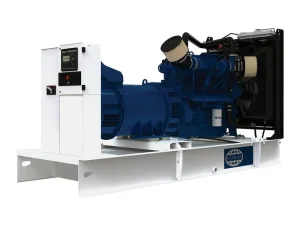
High-Quality Fg WilsonHigh-power Generator Set, 225-938KVA, Applicable To Various Scenarios P895-1 Supplier, Suppliers
-
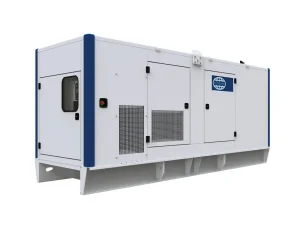
Cheap Wilson Open Type Medium Diesel Generator Sets 480/277V, 60 Hz P563-3 Supplier, Exporter
-
Cheap Fg Wilson Medium Range 225-938KVA High Efficiency Diesel Generator Setn P780-1 Suppliers, Exporter
-
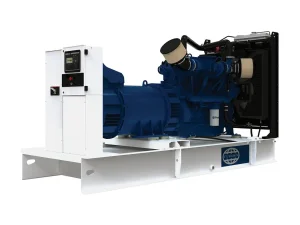
High-Quality Fg Wilson 225-938KVA Intelligent Generator Set Automatic Control P715-3 Exporters, Service
-
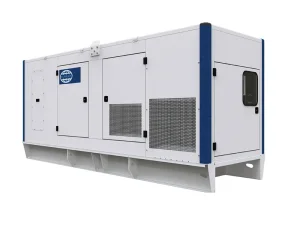
China Medium Range 225–938 kVA FG Wilson Generator Set P688-3 Exporters, Service
-
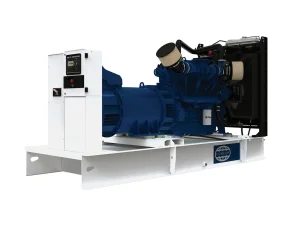
Cheap Wilson Open Type Small Diesel Generator Sets Standby26kVA/26kw P26-6S Supplier, Suppliers
-
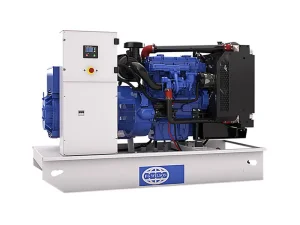
Cheap Electrical Equipment Diesel Generator 813 kVA Silent Type Genset Diesel P813-1 Supplier, Service
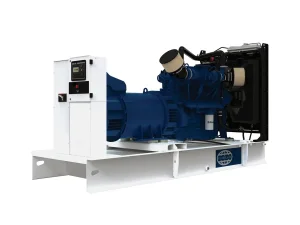
Industrial Microgrid Architecture: Solar Integration Meets Base-Load Reliability
Deploying off-grid solar electric generators requires a sophisticated systemic approach. Leading Chinese manufacturers and engineering exporters combine high-efficiency photovoltaic arrays, Tier-1 Battery Energy Storage Systems (BESS), and smart synchronous generator sets into unified, robust power generation plants.
Multi-Source Hybrid Synchronization
By leveraging intelligent paralleling switchgear and digital power management units (PMS), solar electric generation systems dynamically modulate output. They utilize solar PV as primary daytime harvest, buffer transients through LiFePO4 BESS, and spin up backup generation sets solely for peak smoothing or prolonged solar deficits, securing fuel efficiency savings up to 64% annually.
Grid-Forming Inverter Topologies
Modern Chinese solar electric generators employ advanced solid-state grid-forming inverters (GFM) capable of synthetic inertia generation and black-start execution. Unlike conventional grid-following systems that require active reference voltage, these plants stabilize isolated networks, damp sub-synchronous oscillations, and safely absorb extreme inductive inrush loads.
Ruggedized Thermal Engineering
Engineered for high solar irradiance environments—often synonymous with extreme ambient temperatures exceeding 50°C—these generators utilize specialized HVAC fluid loops, phase-change thermal barriers, and derating-resistant alternators. This ensures zero operational compromise across desert, tropical, or high-altitude operations.
Localized Application Scenarios: Where Performance Counts
From mission-critical mining concessions to remote humanitarian emergency centers, clean solar power generation must handle demanding load steps without interruption.
Isolated Extraction Sites
In high-tonnage mining and processing sites, high-capacity solar electric units offset heavy diesel consumption. System controls manage direct-on-line motor starts, crushing plants, and haulage charging systems while withstanding severe abrasive dust.
Telecom & Edge Compute
Critical nodes along remote transit arteries require uninterrupted power quality. Continuous pure sine wave delivery prevents memory degradation or dropped connectivity, offering over 99.999% availability in harsh terrains.
Disaster Recovery & Field Medicine
Mobile solar electric generators deployed in containerized or trailer units deliver silent, emission-reduced base electricity for diagnostics, medical cold-chain vaccine maintenance, clean water desalination, and immediate operating theatre power.
Belt & Road Infrastructure
Benchmarked across transcontinental pipeline arteries—such as the 2,400 km China-Myanmar pipeline—hybrid units provide dependable power for SCADA stations, valve control monitoring, and cathodic protection across varied elevations.
Global Compliance, Certification, and Local Support
International infrastructure deployments demand verifiable engineering rigor. Factory auditing, electrical safety certifications, and localized field commissioning protocols ensure rapid, fully compliant interconnects.
Triple ISO Accreditation
Strict manufacturing compliance via ISO 9001, ISO 14001, and ISO 45001. Audited lifecycle tracking covers structural metallurgy, transformer winding insulation, and inverter logic safety.
International Safety Frameworks
Fully certified according to CE directives, IEC 62109-1/2 for solar safety, UL 1741-SB/SA interconnection profiles, and UN38.3 lithium battery transport mandates.
Parts Availability & SLAs
Direct access to OEM components (including Perkins and Weichai engine spares), backed by standard 12-month warranties from commissioning and rapid response service windows.
Technology Roadmap & Engineering Outlook
Accelerating transitions from hybrid internal combustion reliance to zero-emission solid-state architectures. Here is how modern export-grade generation technology is scaling over the coming cycle.
Hybrid Paralleling
Optimized multi-fuel genset hybridization. Deep integration of high-density LiFePO4 cells with automated start-stop parameters reducing generator runtime by over 50%.
Sodium-Ion BESS
Deployment of low-cost, ultra-safe Sodium-ion chemistry modules in solar generators. Unlocks exceptional discharge capability down to -40°C without auxiliary battery heating.
AI Microgrid Control
Machine-learning EMS edge modules utilizing real-time satellite solar irradiation forecasting to optimize battery cycling and schedule thermal gen-sets preemptively.
Hydrogen Hybrid Pods
Integration of proton-exchange membrane (PEM) fuel cells into solar container units, providing an absolute zero-carbon baseload fallback with zero diesel fuel dependency.
Frequently Asked Technical Questions (FAQ)
Clarifying essential procurement, engineering, and configuration inquiries for engineering contractors, project developers, and distributor networks.
How do solar electric generator systems compare to conventional diesel setups for total cost of ownership (TCO)?
While initial capital expenditure for solar generation and energy storage is higher than pure diesel alternatives, operating costs decline significantly. By eliminating continuous fuel consumption, reducing engine wear hours, and drastically cutting maintenance frequency, most commercial users realize full project payback within 2.5 to 4 years.
What is the standard configuration workflow for customized industrial power plants?
Procurement teams submit complete operational load profiles (running kW, peak inductive motor starting requirements, power factor, site altitude, and typical ambient temperature spectrum). Engineering teams then run sizing calculations to determine exact PV generation capacity, inverter ratings, battery depth of discharge, and gen-set backup requirements.
How do hybrid control units handle zero-export or reverse power protection?
Intelligent paralleling switchboards and controllers continuously measure bus flow. When solar generation exceeds immediate facility consumption, excess energy is directed into battery banks. If storage is full, solar inverter power is throttled via high-speed modulation to prevent reverse current from driving the alternators.
What post-delivery support and commissioning guarantees are provided?
All systems are backed by a comprehensive 12-month baseline warranty starting on active commissioning date. Engineering teams provide pre-delivery test certificates (covering ISO 8528 load steps and electrical insulation testing) alongside remote commissioning support and fast-turn OEM spare parts availability.
Explore Complete Heavy Generation & Auxiliary Range
From compact mobile backup systems to heavy megawatt industrial installations, browse our complete supply ecosystem ready for international logistics dispatch.
-
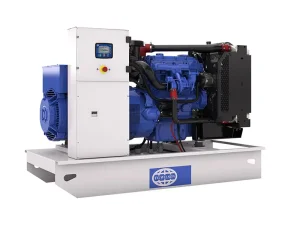
Cheap Wilson 40KVA Industrial Power Generator Small Range <220 kVA P40-4S Supplier, Exporter
-
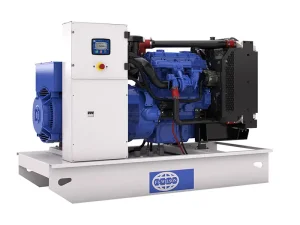
Cheap Wilson Small Range <220 kVA Portable Diesel Generator P50-3 Exporters, Service
-
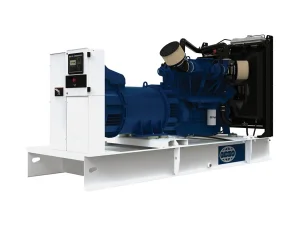
China Fg Wilson High-power Generator Set Medium Range 225-938KVA P660-3 Suppliers, Exporter
-
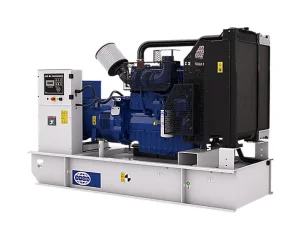
China FG Wilson P400-3 Generator Set: Medium Range 225-938 kVA Power Solutions Supplier, Suppliers
-
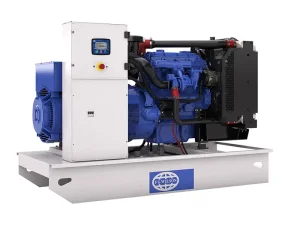
China Wilson Small Range <220 KVA High-Efficiency Power Generator P65-5 Supplier, Service
-
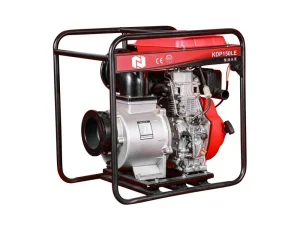
China High-Pressure Water Pumps: Versatile, Efficient, and Durable KDP150LE Suppliers, Exporter
-
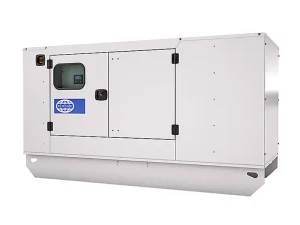
China Wilson Small Type Reliable Backup Power Generator P55-3 Supplier, Exporter
-
China FG Wilson Small Range < 200KVA Diesel Generator P75-1S Suppliers, Exporter