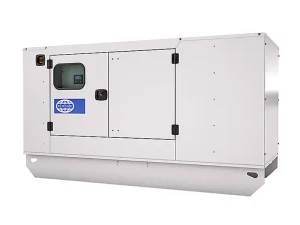
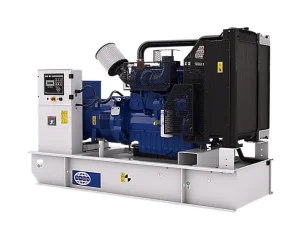
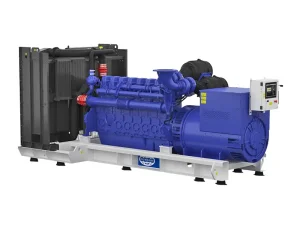
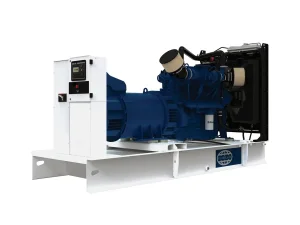
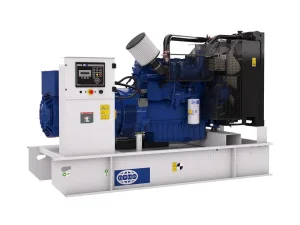
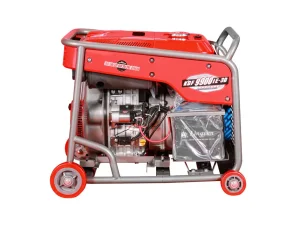
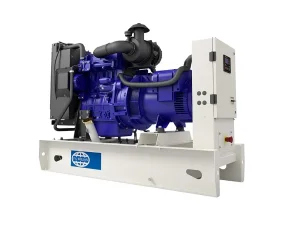
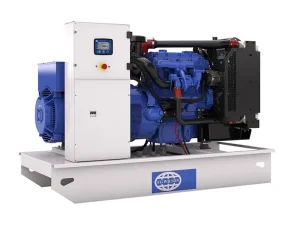
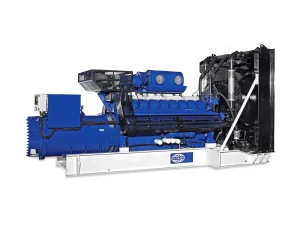
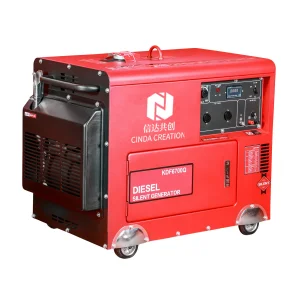
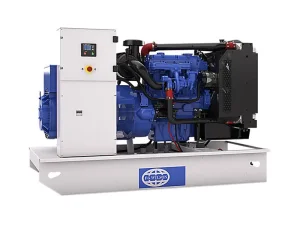
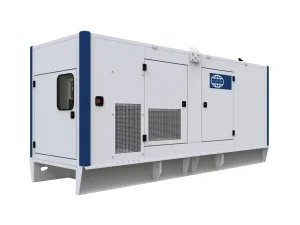
Primary Fleet: Commercial, Industrial & Silent Generator Sets
Explore premier FG Wilson, Perkins-powered, and specialized acoustic enclosure power packages engineered for seamless export, verified load-step resilience, and high ambient longevity.
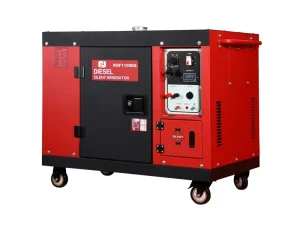
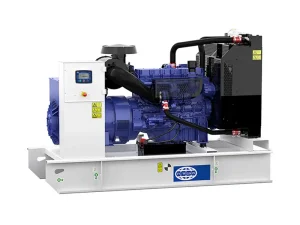
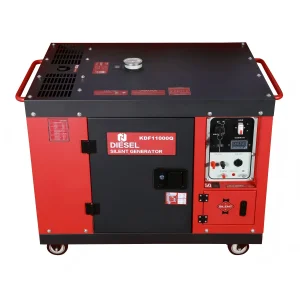
Global Landscape of 10 kVA Silent Generator Pricing & Manufacturing
Deconstructing the critical bill-of-materials, acoustic engineering expenditures, and supply chain dynamics defining competitive factory-direct export valuations across international markets.
What Drives 10 kVA Silent Generator Price Discrepancies?
Global procurement teams often observe vast price differences between seemingly identical 10 kVA silent diesel generators. The core variance lies in the engine tier, alternator metallurgy, and canopy construction. Premium tier units employ water-cooled, multi-cylinder engines (such as genuine Perkins or high-end Weichai architectures) running at an ultra-stable 1500 RPM (50 Hz) or 1800 RPM (60 Hz). These configurations deliver over 15,000 operational hours before major overhaul.
Conversely, entry-level low-cost units often utilize single-cylinder, high-speed (3000/3600 RPM) air-cooled engines. While capable of occasional emergency standby, high-speed single-cylinder units cannot support the continuous prime power cycles demanded by telecommunication nodes, critical microgrids, or clinic refrigeration systems.
Acoustic Attenuation & Material Physics
True "silent" performance below 68 dB(A) measured at 7 meters requires extensive canopy engineering. Professional soundproof enclosures integrate heavy-gauge cold-rolled galvanized steel (2.0 mm thickness minimum), multi-stage chamber silencers, and flame-retardant rockwool sound-absorbing acoustic foam rather than flammable synthetic sponge.
Air-intake and exhaust paths must utilize labyrinthine airflow channels with Helmholtz acoustic baffles. These ensure optimal thermal heat dissipation without permitting high-frequency combustion noise to escape into surrounding residential or commercial environments.
Export Logistics & International Landed Costs
Navigating landed cost structures requires calculating more than baseline FOB pricing. Packaging specifications must resist salt-spray corrosion during 30 to 45-day ocean transit. Machinery must be bolted onto reinforced steel base skids with heavy-gauge polyethylene heat-shrink wrapping and silica-gel desiccant packs.
For B2B buyers across Southeast Asia, Sub-Saharan Africa, Latin America, and Central Asia, factoring in local customs tariffs, port clearance compliance (CE, SASO, SONCAP), and container space optimization (fitting up to 18 units of 10 kVA silent gensets per 40ft HQ container) drives substantial per-unit landed savings.
Technical Roadmap: Small-Scale Silent Power Systems (2025–2035)
The evolution from simple backup mechanical gen-sets to cloud-orchestrated, hybrid microgrid assets capable of dual-fuel flexibility, ultra-low emissions, and autonomous telematics.
1. Biofuel & HVO Ready Fuel Injection
The modern diesel generator sector is pivoting rapidly toward decarbonization. Cutting-edge 10 kVA power plants feature recalibrated common-rail fuel injection systems validated for Hydrotreated Vegetable Oil (HVO100) and B20 biodiesel blends. This cuts net lifecycle CO2 emissions by up to 90% without compromising peak torque or cold-start responsiveness in extreme ambient environments.
2. IoT Telematics & Autonomous Edge Controls
Gone are the days of manual monitoring. Advanced deep-sea and ComAp digital controller architectures integrated into 10 kVA silent units now support multi-protocol connectivity (Modbus TCP, RS485, 4G/LTE cellular telemetry). Facility supervisors track real-time engine oil degradation, fuel consumption rates, ambient intake temperatures, and alternator winding thermal gradients directly via cloud SCADA platforms.
3. Hybrid Microgrid Sync & Battery Integration
Modern localized installations pair the 10 kVA silent diesel generator with a 15–30 kWh Lithium Iron Phosphate (LiFePO4) Energy Storage System (BESS). Under low electrical loads (sub-25%), running a diesel generator causes fuel wet-stacking and excessive carbon buildup. Smart hybrid controllers run the generator strictly at its optimal fuel-efficiency window (75–85% load) to charge the batteries, then shut the engine off completely for silent nighttime operation.
10 kVA Application Scenarios & Technical Comparison Framework
Verify operating parameters, load characteristics, and duty cycle demands before selecting prime vs standby small-footprint silent power generation hardware.
| Genset Capacity | Prime Power (kW) | Standby Power (kW) | Fuel Burn @ 75% Load | Noise Rating @ 7m | Optimal Deployment Application | Target Duty Cycle |
|---|---|---|---|---|---|---|
| 10 kVA Silent | 8.0 kW | 8.8 kW | 2.1 - 2.4 L/hr | 64 - 68 dB(A) | Telecom BTS, Rural Clinics, Luxury Residential, Construction Mobile Cabins | Prime / Standby |
| 20 kVA Silent | 16.0 kW | 17.6 kW | 3.8 - 4.2 L/hr | 66 - 70 dB(A) | Small Cold-Storage Facilities, Commercial Banks, Agricultural Pump Stations | Prime / Continuous |
| 50 kVA Silent | 40.0 kW | 44.0 kW | 8.5 - 9.2 L/hr | 68 - 72 dB(A) | Regional Distribution Centers, Field Hospitals, Mining Exploration Camps | Industrial Heavy |
| 150 kVA Industrial | 120.0 kW | 132.0 kW | 24.0 - 26.5 L/hr | 72 - 76 dB(A) | Industrial Manufacturing, Commercial Plazas, Oil Field Well-Pumping Units | Industrial Heavy |
| 800+ kVA Containerized | 640.0 kW | 704.0 kW | 125.0 - 138.0 L/hr | 75 - 80 dB(A) | Tier III/IV Data Centers, Major Airport Terminals, Large Mining Sites | Mission Critical |
Telecom & Remote Base Station (BTS) Sites
Off-grid and weak-grid cellular towers represent the largest global consumer of 10 kVA silent power systems. These units operate under demanding 24/7 autonomous regimes, requiring integrated 500-liter sub-base extended fuel tanks, dual-stage fuel-water separators, auto-oil replenishment loops, and lightning protection on control wiring.
Healthcare Clinics & Cold Chain Vaccine Storage
In rural health centers, power interruptions compromise sensitive pharmaceutical cold chains and emergency operating room equipment. A 10 kVA silent diesel generator equipped with an Automatic Transfer Switch (ATS) achieves full power restoration in under 10 seconds of grid failure, maintaining clean sine-wave electricity with Total Harmonic Distortion (THD) under 3%.
Extreme Temperature & High-Altitude Environments
Deploying a generator at 2,500 meters altitude or in 50°C desert heat induces natural power derating. Cinda Creation's engineering protocols calculate exact site altitude derating factors (approx 1% per 100m above 1,000m) and size turbo-charged, charge-air cooled 10 kVA power configurations to ensure continuous real kW output matches the site load list.
Engineering Provenance: Beijing Xinda Creation Machinery Equipment
Combining heavy-duty machinery manufacturing pedigree, Perkins spare parts supply security, and multi-national infrastructure deployment certifications.
Operational Scale & Certification Credentials
Headquartered in Tongzhou District, Beijing (established July 17, 2019), Beijing Xinda Creation Machinery Equipment Co., Ltd. (Cinda Creation) has evolved into an authoritative export partner for FG Wilson and Weichai power equipment. Operating under rigorously audited ISO 9001 (Quality Management), ISO 14001 (Environmental Management), and ISO 45001 (Occupational Health & Safety) certified systems, the company provides end-to-end technical governance from factory acceptance testing (FAT) to on-site commissioning.
Every generator—from compact 10 kVA silent power systems to 2,500 kVA containerized sets—undergoes calibrated resistive load bank testing across 25%, 50%, 75%, 100%, and 110% overload conditions prior to export containerization, with full test certificates issued to procurement engineers.
Benchmark Global Project Deliveries
China-Myanmar Crude Oil Pipeline: On the 2,400-kilometer critical pipeline corridor, 17 natural gas power units and 5 heavy-duty diesel generators engineered by our partners maintain continuous baseload power under punishing tropical rainforest conditions.
Ethiopia New Airport Terminal: High-output silent generator sets supplied by Cinda Creation provided mission-critical temporary and standby power guarantees during the terminal's construction and technical system handover.
Arctic 20-Year Operational Record: FG Wilson generation sets supported by our spare parts network have achieved over two decades of continuous service in Arctic sub-zero permafrost environments.
Frequently Asked Questions: 10 kVA Silent Generator Sourcing & Maintenance
Comprehensive technical guidance formulated by senior electrical engineers to solve common specification, procurement, and field-operation dilemmas.
What is the realistic price breakdown for a high-quality 10 kVA silent diesel generator?
A legitimate industrial-grade 10 kVA (8 kW) silent diesel generator costs between $2,800 and $5,200 FOB depending on the exact engine and controller architecture. High-speed single-cylinder portable sets occupy the $1,200–$2,000 tier, but they do not offer industrial duty lifespans. Water-cooled, multi-cylinder (1500/1800 RPM) low-speed units cost more upfront because they feature heavy-duty Perkins or Weichai engines, 100% copper brushless alternators (such as Leroy-Somer or Stamford technology), heavy acoustic rockwool canopies (2.0 mm zinc-plated steel), and intelligent digital controllers. While capex is higher, total cost of ownership (TCO) drops drastically over 5 to 10 years due to lower fuel consumption and minimal spare part replacements.
How do I distinguish between Standby Power and Prime Power for a 10 kVA unit?
Under ISO 8528 standards, Prime Power (PRP) represents the maximum power available during a variable electrical load sequence for an unlimited number of operational hours per year, typically allowing a 10% overload for 1 hour in every 12. A 10 kVA prime-rated generator can continuously feed variable commercial loads. Standby Power (ESP) is the maximum rating available for emergency power duration during utility grid outages, with no overload capacity permitted. If your site operates off-grid without utility support, always size your equipment based strictly on the Prime Power rating (typically 8 kW for a 10 kVA set).
Why is a 1500/1800 RPM engine preferred over a 3000/3600 RPM engine for silent enclosures?
Rotational speed directly governs thermal stress, component friction, acoustic frequency, and equipment lifespan. A 1500 RPM (50 Hz) or 1800 RPM (60 Hz) multi-cylinder engine cycles at half the speed of a high-speed 3000 RPM single-cylinder unit. This reduced piston speed yields lower low-frequency vibration, quieter sound profiles (62–68 dB(A) vs. 78+ dB(A)), lower exhaust gas temperatures, and operational lifespans exceeding 15,000 to 20,000 operating hours before major overhaul, compared to only 1,500 to 2,500 hours for high-speed small generators.
Can a 10 kVA silent generator power sensitive medical or telecommunications equipment?
Yes, provided it is equipped with a high-performance Automatic Voltage Regulator (AVR) and a brushless pure copper alternator. Cinda Creation's units feature advanced electronic AVRs that maintain steady-state voltage regulation within ±1.0% and limit Total Harmonic Distortion (THD) to under 3%. This prevents voltage spikes, frequency drift, and destructive harmonics from damaging delicate telecom base stations, medical diagnostic consoles, or computerized lab instruments.
What specific sound level should I demand for a generator labeled as "Silent"?
International environmental and industrial standards benchmark soundproof acoustic enclosures at 7 meters distance in free-field acoustic conditions. A standard commercial canopy achieves roughly 72–75 dB(A) at 7m. A "super silent" or hospital-grade low-noise canopy must maintain sound pressure levels between 62 and 68 dB(A) at 7m. When reviewing exporter quotations, always verify the measurement distance: unscrupulous suppliers quote noise levels measured at 15 meters to make loud generators appear quiet.
How does an Automatic Transfer Switch (ATS) integrate with a 10 kVA generator?
An ATS panel continuously monitors incoming utility mains voltage and phase synchronization. When utility power drops below acceptable voltage thresholds or experiences a blackout, the ATS sends a remote dry-contact start signal to the generator's digital controller (such as a Deep Sea DSE4520 or DSE6120). Once the engine fires, reaches nominal 1500/1800 RPM, and alternator voltage stabilizes (typically 6–10 seconds), the ATS mechanically transfers the facility load from the grid to the generator. Upon utility restoration, the ATS smoothly transfers load back to the mains and commands the genset to complete a timed cool-down cycle before shutting down.
What scheduled maintenance protocol ensures maximum longevity for 10 kVA silent sets?
Initial break-in maintenance must be executed at 50 operating hours, consisting of an engine oil drain, oil filter renewal, and valve lash check. Subsequent routine preventative maintenance is conducted every 250 to 500 operating hours (or every 12 months, whichever comes first). This encompasses changing lubricating engine oil (15W-40 CI-4 or CJ-4), replacing primary fuel filters and secondary water separators, inspecting the air filter intake element, checking coolant concentration (50/50 ethylene glycol/water mix), and verifying battery terminal torque and float charging voltages.
How do site ambient temperature and altitude derate a 10 kVA diesel generator?
Standard generator ISO ratings assume an altitude of up to 1,000 meters above sea level and an ambient temperature of 25°C to 40°C. For every 300 meters of elevation above 1,000m, thinner air reduces available combustion oxygen, derating engine output by approximately 3.5% (for naturally aspirated engines) or 2% (for turbocharged units). Similarly, ambient temperatures above 40°C require a derating factor of roughly 2% per 5°C increase. When operating in high-altitude mining basins (e.g., 3,500m in the Andes) or high-heat desert zones (e.g., 50°C in the Middle East), our engineers oversize the prime engine displacement to ensure 8 kW net electrical output remains fully available.
What export packing and shipping protection does Cinda Creation provide?
All export machinery is coated with rust inhibitors, and fluid drain valves are locked. Units are enclosed in multi-layer vacuum heat-shrink polyethylene wrapping containing heavy-duty industrial silica gel desiccant packs to stop condensation during maritime transit across changing thermal zones. The entire generator baseframe is fastened with high-tensile steel straps to a solid fumigated wooden pallet or steel shipping cradle, with forklift pockets and overhead crane lifting lugs accessible without puncturing protective wraps.
What warranty and Perkins spare parts support are guaranteed after purchase?
Cinda Creation provides a comprehensive 12-month factory warranty counted from the initial on-site commissioning start-up date (or 1,000 running hours, whichever occurs first). In addition to warranty protection, our dedicated Beijing logistics center maintains an active inventory of over 600 SKUs of genuine Perkins generator parts, Weichai engine components, brushless alternators, AVRs, and controllers, backed by a guaranteed 24-hour technical response window and rapid international courier air-freight dispatch.
Heavy-Duty, Medium-Range & Variable Frequency Generator Inventory
Explore high-efficiency open-frame, high-power containerized, and advanced inverter/variable frequency generator solutions designed for commercial and industrial grid resilience.