
Primary Dispatch Matrix
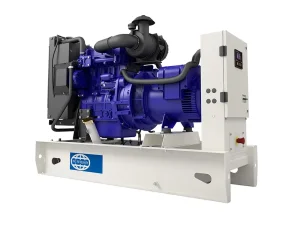
Featured Critical Power Solutions & Gensets
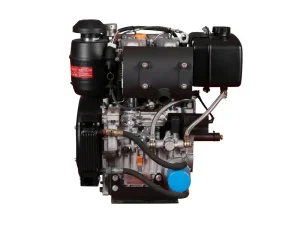
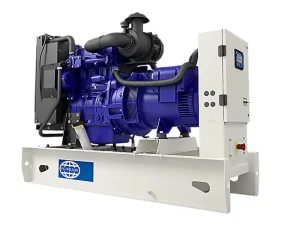
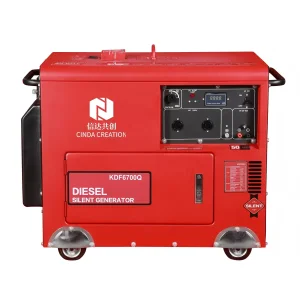
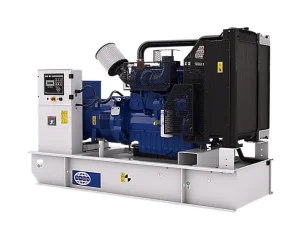
Precision-calibrated diesel generation units tested against extreme load variance, conforming strictly to ISO 8528 G2/G3 electrical transient response criteria.
Technical Whitepaper Extract
The Global Landscape of Industrial Emergency Energy Security
Analyzing macro-grid volatility, electrification headwinds, and the technical necessity of autonomous mechanical generation in resilient enterprise planning.
Grid Decentralization & Volatility
As global electrical distribution networks integrate higher percentages of intermittent renewables (wind and solar), spinning reserve capacity declines. Industrial plants experience unprecedented frequency excursions and transient voltage drops, making local synchronous generator assets critical.
Financial Exposure of Outages
According to international uptime institutes, downtime losses in automated manufacturing, chip fabrication, and Tier-3/Tier-4 hyperscale data centers frequently exceed $100,000 per minute. Premium backup power systems transform catastrophic downtime risks into deterministic continuity.
Regulatory Compliance Mandates
Life-safety codes, including NFPA 110, EN 12101, and hospital accreditation directives (JCI), legally require emergency power supply systems (EPSS) to initiate, reach steady synchronous velocity, and assume 100% of emergency branch loads within 10 seconds of source disruption.
Next-Gen Roadmap
Engineering Architecture & Hybridization Roadmap
Bridging thermodynamic heavy-fuel combustion reliability with low-carbon microgrid topologies, intelligent synchronization controllers, and algorithmic load dispatch.
Common-Rail High-Pressure Fuel Control
Advanced Perkins and Weichai common-rail technologies utilize piezoelectric injection systems operating above 2,000 bar. This micro-metered delivery guarantees optimized combustion chamber turbulence, lowering particulate emission signatures while maximizing thermodynamic thermal efficiency across variable electrical loads.
Sub-Cycle Digital AVR & Paralleling
Digital excitation modules dynamically measure stator parameters, counteracting harmonic distortion generated by modern non-linear Variable Frequency Drives (VFD) and UPS rectifiers. Advanced load-sharing governors support seamless N+1 or N+2 multi-megawatt bus synchronizations within milliseconds.
Bio-Fuel & HVO Hydrotreated Vegetable Oil
Our latest FG Wilson and Weichai platforms are engineered to maintain 100% full rating capabilities when transitioning to HVO (EN 15940 paraffinic fuel). This drops net fossil greenhouse CO2 emissions by up to 90% without compromising fast cold-start performance down to -25°C.
99.999%
Five-Nines System Reliability
< 10s
Full Load Acceptance Speed
55°C
High-Ambient Radiator Limit
ISO 8528
G3 Class Compliance Certified
Localized Application Engineering
Specialized Environments & Vertical Sector Deployment
Engineered genset configurations deployed globally across divergent climatic and electromagnetic constraints.
Healthcare & Surgical Critical Care
Hospitals require dual-redundant emergency standby systems equipped with rapid auto-transfer switching (ATS) systems. Canopy acoustic dampening reduces sound levels to below 68 dBA at 7 meters, preventing acoustic intrusion in patient recovery zones while maintaining uninterrupted intensive care life support.
Cross-Border Oil & Gas Pipelines
Exemplified by major infrastructure like the 2,400 km China-Myanmar crude pipeline, our combined natural gas and heavy diesel gensets supply 24/7 continuous baseline power in un-electrified terrain, enduring severe dust ingress, ambient temperatures up to 50°C, and extreme seasonal monsoons.
Sub-Zero Arctic Mining Operations
Standard mechanical prime-movers seize in Arctic environments below -30°C. FG Wilson arctic packages incorporate immersion block heaters, crankcase thermal heating blankets, electric intake air pre-heaters, and heavy insulated louvers to achieve validated 10-second start sequences regardless of external conditions.
| Functional Category | Standby Duty (ESP) | Prime Power (PRP) | Continuous Power (COP) |
|---|---|---|---|
| ISO 8528 Designation | Emergency Standby Rating | Variable Load Unlimited Hours | Continuous Constant Load |
| Max Annual Run Time | 200 – 500 Hours/Year | Unlimited (Variable Load ≤70%) | Continuous 8,760 Hours/Year |
| Overload Capability | 0% Overload capacity | +10% for 1 hour every 12 hours | 0% Overload, steady 100% load |
| Target Sector | Hospitals, Commercial Towers, Retail | Off-grid Sites, Mining, Remote Infrastructure | Base-load Power Plants, Pipelines |
Industrial Reliability Engineering
Comprehensive Enterprise Backup Power Architecture
From single emergency generator sets to fully synchronized multi-megawatt N+2 microgrid power plants.
Intelligent Auto-Transfer & Paralleling
Integrating microprocessor-based Automatic Transfer Switches (ATS) with motorized circuit breakers. Our paralleling switchgear features automatic peak-lopping, soft-load transfer, and dynamic priority load shedding to protect critical production equipment while shedding non-essential circuits.
Single-Side Service Access Architecture
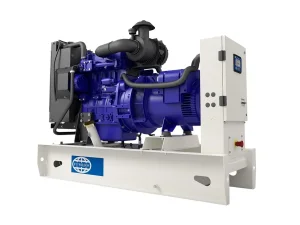
Space in urban plant rooms is constrained. Our FG Wilson open-frame and modular containerized systems concentrate filters, lube dipsticks, priming pumps, and coolant fills onto a single access face, cutting maintenance clearance envelopes by 40% and shortening scheduled maintenance downtime.
Complete Perkins Parts Supply Chain
As a verified Beijing export powerhouse, we maintain a permanent inventory of OEM Perkins overhaul kits, fuel injectors, turbochargers, and ECMs. All components ship globally with complete traceability documentation, preserving original performance and ensuring emissions compliance throughout the genset's lifecycle.
Secondary Procurement Portfolio
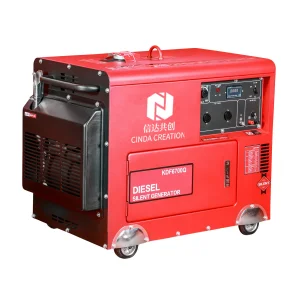
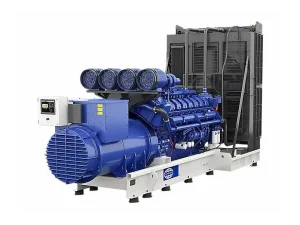
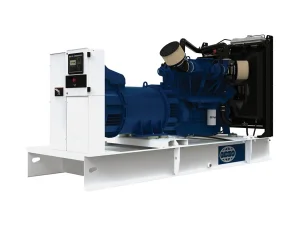
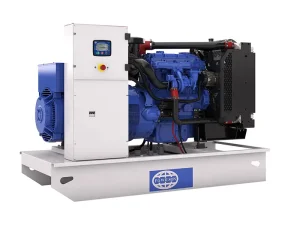
Industrial Diesel Gensets, Silenced Units & Subsystems
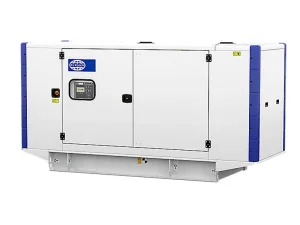
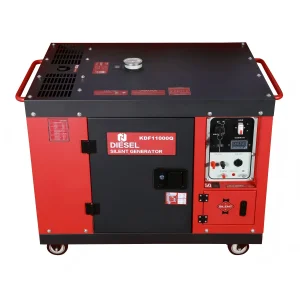
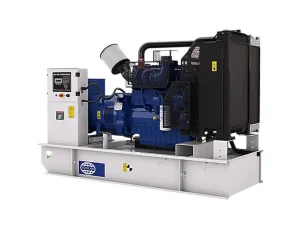
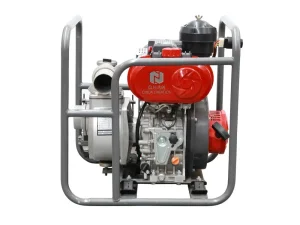
Explore heavy-duty open frame units, silent canopies, and specialized high-compression engines engineered for harsh environments.
Direct Consultation FAQ
Frequently Asked Technical & Sizing Questions
In-depth guidance from our Beijing electrical engineering division covering sizing, transient load acceptance, and international operations.
What are the key technical differences between Standby (ESP) and Prime (PRP) ratings?
An Emergency Standby Power (ESP) rating applies strictly to emergency situations during utility supply loss. It has a maximum operational ceiling of 200 hours per year (or up to 500 hours depending on manufacturer specifications) with an average variable load factor not exceeding 70% of the rating. No overload capability is permitted under ESP.
In contrast, a Prime Power (PRP) rating permits unlimited operational hours annually on variable loads. It includes a 10% overload margin available for 1 hour within any 12-hour operational cycle. For continuous utility substitution, prime ratings ensure mechanical durability and protect warranty coverage.
How does motor starting kVA (skVA) affect generator sizing for industrial inductive loads?
When sizing for heavy rotating machinery such as large centrifugal pumps, chillers, or elevators, starting currents can reach 6 to 8 times the nominal full-load running amps (FLA) under Direct-On-Line (DOL) starting. This inductive inrush causes substantial sub-transient voltage dips across the generator windings.
If the voltage drops by more than 15–20%, connected control relays and contactors can trip inadvertently. Sizing must calculate total starting kVA (skVA) and select an oversized alternator or an excitation system like a Permanent Magnet Generator (PMG) to deliver up to 300% short-circuit current for 10 seconds.
When should an engineer specify an acoustic silent canopy versus an open-type unit?
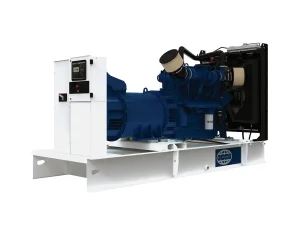
Open-type generator sets are designed exclusively for indoor, dedicated mechanical plant rooms. The room must handle weather protection, intake and exhaust ventilation, acoustic attenuation, and fuel storage. Open units offer 360-degree maintenance access and lower procurement cost.
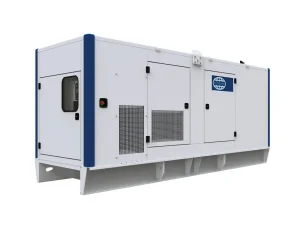
Acoustic silent canopy units are self-contained, weatherproof systems built with heavy-gauge galvanised steel, powder-coat paint, and acoustic insulation. They are engineered for outdoor locations or rooftop installations where municipal noise restrictions apply (typically 65–75 dBA at 7 meters) and space for a dedicated generator building is unavailable.
How do high altitudes and extreme ambient temperatures degrade diesel generator performance?
Diesel combustion engines require air density to supply the oxygen mass necessary for complete fuel combustion. At elevations above 1,000 meters (3,280 ft), output derates at roughly 3.5% per 500 meters due to thinner air, while higher turbocharger speeds and higher exhaust temperatures occur.
Similarly, when ambient temperatures rise above standard ISO conditions (25°C / 77°F), charge-air cooling efficiency drops. At 40°C to 50°C, an engine can face up to a 10–15% operational derate unless equipped with oversized cooling packages, specialized charge-air cores, and electronically trimmed injection mapping.
What parameters are required by Cinda Creation to generate a site-specific power proposal?
To provide an accurate configuration, our engineering team requires:
- Connected Load Profile: Total active power (kW), required power factor (&cos;φ), and single largest motor starting characteristics (DOL, Star-Delta, or VFD).
- Electrical Grid Interface: Nominal line voltage (e.g., 380V, 400V, 480V), frequency (50 Hz vs 60 Hz), and neutral-grounding topology.
- Environmental Conditions: Installation altitude above sea level, maximum and minimum ambient temperatures, and air quality (humidity, dust, chemical exposure).
- System Architecture: Required fuel autonomy (8-hour base tank vs external bulk tanks), enclosure type (open-skid, silent canopy, or ISO container), and whether automated paralleling switchgear or an ATS is required.