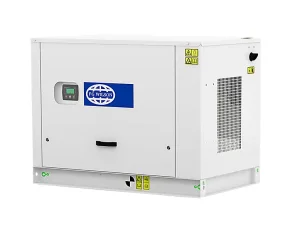
Precision Crankshaft-Integrated Generator Sets & Equipment
Explore heavy-duty prime power assemblies and replacement-ready diesel units manufactured with micro-balanced, high-torsional-strength crankshafts designed for zero downtime.
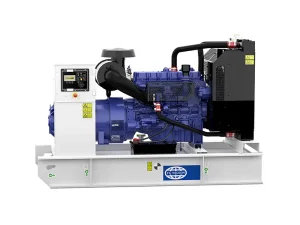
China Wilson Small Type Fuel Optimized Diesel Generator Set P175-2 Exporters, Exporter
Inquire & Order Crankshaft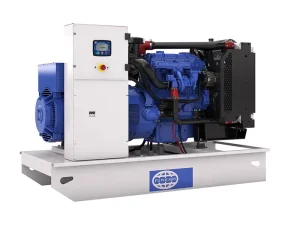
China Wilson Open Type Small Diesel Generator Sets 400/230 V, 50 Hz P88-6 Suppliers, Service
Inquire & Order Crankshaft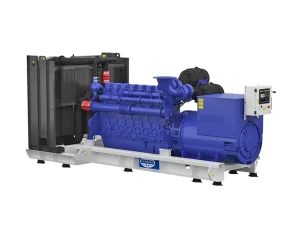
Cheap Large Range >800 kVA High-Performance Generators for Diverse Industries P1100-1 Supplier, Exporter
Inquire & Order Crankshaft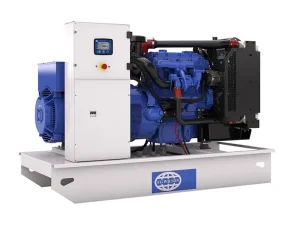
China Wilson Small Type 33KVA Reliable Energy Source P33-6 Supplier, Service
Inquire & Order Crankshaft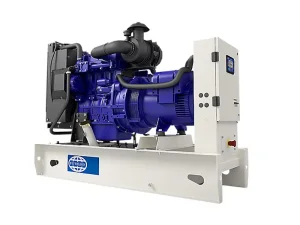
China Wilson Open Type Small Diesel Generator Sets 230 V, 50 Hz P16-1 Supplier, Exporter
Inquire & Order Crankshaft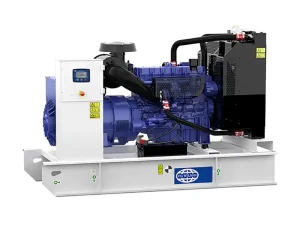
High-Quality P220-3 Small Range 220 kVA Efficient FG Wilson Diesel Generators1 Suppliers, Service
Inquire & Order Crankshaft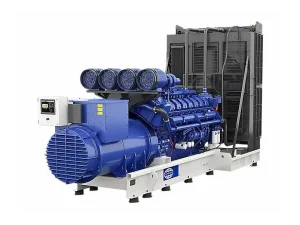
High-Quality Large Range >800 kVA FG Wilson Generator Power and Efficiency P2000-3 Exporters, Service
Inquire & Order Crankshaft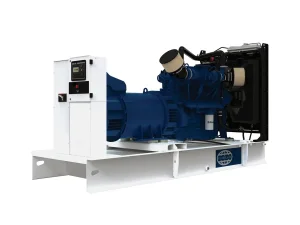
Cheap Electrical Equipment Diesel Generator 813 kVA Silent Type Genset Diesel P813-1 Supplier, Service
Inquire & Order CrankshaftEngineering the Core of Reciprocating Power: Crankshaft Precision & Dynamic Integrity
In high-load internal combustion engines and emergency standby power plants, the crankshaft is subjected to intense cyclic bending, extreme torsional oscillation, and severe shear stresses.
As industrial engines face tightening emissions regulations and surging power-density mandates, brake mean effective pressure (BMEP) across modern turbocharged and aftercooled diesel engines frequently surpasses 22 to 26 bar. In such demanding environments, the engine's crankshaft is not merely an mechanical linkage—it is the metallurgical and kinematic backbone of the entire internal combustion assembly. Beijing Xinda Creation Machinery Equipment Co., Ltd. (Cinda Creation), operating out of Tongzhou District, Beijing, stands as an authoritative international exporter and precision manufacturing partner supplying OEM-compliant and aftermarket-critical crankshaft assemblies for Perkins, FG Wilson, and Weichai engine platforms worldwide.
Failure in an industrial crankshaft—whether resulting from fillet fatigue cracking, pin journal scoring, or harmonic torsional resonance—invariably causes catastrophic block destruction, leading to astronomical maintenance expenditures and extended plant downtime. Consequently, international procurement teams in heavy industry, marine engineering, and prime emergency infrastructure cannot treat crankshafts as simple bulk hardware commodities. Precision dynamic balancing, micro-alloy structural uniformity, localized induction hardening depth, deep-hole oil gallery micro-finishing, and fillet rolling burnishing are vital technical prerequisites for long-term engine lifecycle reliability.
High-Output Thermal & Kinematic Protection
Every crankshaft supplied by Cinda Creation undergoes 100% electromagnetic multi-directional wet-fluorescent magnetic particle inspection (MPI) and phased-array ultrasonic flaw detection to ensure zero subsurface metallurgical inclusions or micro-cracks before dispatch.
Why Tier-1 Global Procurement Selects Advanced Chinese Crankshaft Manufacturing
China's heavy-duty industrial powertrain sector has evolved from cost-driven manufacturing into a world-leading hub of automated multi-station forging, closed-die precision presses, and nanoscale surface finish engineering.
Ultra-Heavy Forging Press Infrastructure
Modern Chinese forging clusters utilize computer-controlled automated forging lines rated from 8,000 to 14,000 metric tons. Through multi-directional wedge rolling and closed-die hot die forging, continuous grain flow along the crankshaft web and crankpin contours is guaranteed, boosting fatigue endurance limits by more than 35% compared to conventional drop-forged alternatives.
Advanced Controlled Metallurgy & Micro-Alloying
Access to high-purity micro-alloyed clean steels (including 42CrMo4, 40CrNiMoA, and vanadium-treated 38MnS6) ensures strict control over sulfur and phosphorus trace impurities (S/P < 0.015%). Deep degassing through vacuum induction melting (VIM) and electroslag remelting (ESR) eliminates stress risers across fillet radii transitions.
End-to-End Vertical Supply Chain Agility
China operates the world's most comprehensively clustered engine component manufacturing ecosystems. From casting, precision forging, and rough pre-machining to multi-axis CNC journal finish-grinding, ion nitriding, fillet rolling, dynamic balancing, and automated ultrasonic inspection—all supply chain nodes reside within tightly coordinated industrial corridors.
Continuous Grain Forging
Continuous closed-die grain directional alignment avoiding micro-cleavage along webs.
5-Axis High-Speed CNC
Simultaneous pin-chasing milling and high-precision deep oil-hole gun drilling.
Dual-Frequency Induction
Precision case depth hardening (2.5–4.5mm) across journals, preserving a ductile core.
Superfinishing & Balancing
Tape micro-finishing achieving Ra < 0.15 µm with dual-plane high-speed dynamic balancing.
Comparative Metallurgy: Forged Alloy Steel vs. High-Grade Ductile Cast Iron
Selecting the optimal crankshaft material requires balancing cyclic mechanical fatigue, torsional deflection limits, engine operating hours, and manufacturing economics.
| Material Classification | Common International Grades | Tensile Strength (MPa) | Yield Strength (MPa) | Fillet Treatment Method | Ideal Power Plant Application |
|---|---|---|---|---|---|
| Forged Chrome-Moly Alloy Steel | 42CrMo4 / AISI 4140 / SCM440 | 900 – 1100 | ≥ 750 | Deep induction hardening + Fillet deep-rolling burnish | Heavy-duty prime power gensets (800–2500 kVA), Perkins 2000/4000 series, marine main engines |
| Nickel-Chrome-Moly Clean Steel | 40CrNiMoA / AISI 4340 / 34CrNiMo6 | 1000 – 1250 | ≥ 880 | Ion/Gas Nitriding + Compound layer polish | Continuous multi-megawatt mining rigs, high-BMEP military gensets, critical hospital backup |
| Micro-Alloyed Precipitation Steel | 38MnS6 / 30MnVS6 / DIN 1.1213 | 850 – 1000 | ≥ 600 | Controlled air cooling + High-frequency induction | Medium commercial generators (100–500 kVA), Weichai WP10/WP12, logistics trucks, irrigation pumps |
| Austempered Ductile Iron (ADI) | QT800-2 / ASTM Grade 1200 / GGG80 | 800 – 950 | ≥ 500 | Fillet undercut rolling + Shot peening | Light commercial standby sets (<100 kVA), high internal damping requirements, agricultural sets |
| High-Ductility Spheroidal Iron | QT700-2 / GGG70 / EN-GJS-700-2 | 700 – 850 | ≥ 420 | Thermal gas nitrocarburizing | Compact residential silent generators (P16.5 to P65 series), temporary lighting towers |
In high-pressure common-rail (HPCR) engines operating at 2,000+ bar injection pressures, forged alloy steel (such as 42CrMo4 and 40CrNiMoA) represents the industry standard. Its superior elastic modulus (E ≈ 210 GPa versus 170 GPa for ductile iron) sharply reduces torsional deflection. This prevents journal edge-loading, preserves hydrodynamic hydrodynamic oil film integrity, and eliminates rapid bearing wipeouts during sudden electrical load steps.
Global Industry Trends: The Evolution of Industrial Crankshaft Engineering
Next-generation internal combustion engines demand lighter rotating assemblies capable of enduring elevated combustion peak pressures alongside alternative zero-carbon fuels.
Lightweighting via Hollow Journal Boring
By gun-drilling hollow concentric bores through main journals and crankpins, total crankshaft rotational inertia is diminished by 12–18%. This significantly accelerates transient throttle load response times across FG Wilson and Perkins standby gensets during acute grid outages without degrading structural shear resistance.
Alternative Fuel Combustion Compatibility
Hydrogen dual-fuel, methanol, and pure ammonia combustion engines generate steeper cylinder pressure rise rates (dp/dθ) and corrosive acidic blow-by gases. Modern crankshafts feature specialized plasma nitriding with anti-corrosive, ultra-hard white-layer compound depths preventing hydrogen embrittlement.
Diamond-Like Carbon (DLC) & Nanocoatings
High-wear crankpin thrust surfaces are progressively reinforced with PVD-deposited Diamond-Like Carbon (DLC) nanocomposites. This reduces dry-start boundary friction coefficients by over 40%, protecting critical journals during cold Arctic starts when oil viscosity is severely compromised.
Continuous Deep-Fillet Cold Rolling
Mechanical rolling wheels apply localized residual compressive stresses up to 1,200 MPa into the journal-web fillet transitions. This engineered pre-stress directly counteracts peak tensile bending stresses encountered during cylinder combustion firings, quadrupling operational fatigue lifespan.
Demanding Real-World Operating Scenarios: Where Failure is Not an Option
Crankshafts supplied and exported by Cinda Creation run continuously in diverse, hostile environments spanning Arctic permafrost, equatorial deserts, and round-the-clock transcontinental pipelines.
Tier-3 / Tier-4 Mission-Critical Data Centers
Hyperscale server facilities require instantaneous emergency generator synchronization within 10 to 15 seconds of utility grid disruption. Crankshafts in large-range sets (>800 kVA to 2500 kVA, such as Wilson P1375-1, P1650-1, and P2000-3) must absorb acute angular shock torques during automatic transfer switch (ATS) synchronization without exceeding 0.02 mm deflection tolerances.
Continuous Cross-Border Pipeline Pumping
As validated by the 2,400-kilometer China-Myanmar crude oil pipeline infrastructure, continuous prime engines endure non-stop baseload service 8,760 hours a year. Crankshaft main journals must maintain hydrodynamic oil film stability under high ambient temperatures (>45°C) without localized thermal scuffing or catastrophic bearing seizure.
Sub-Zero Arctic Extraction & Remote Mining Rigs
In Arctic open-pit copper and iron mines operating at -40°C, diesel engines routinely experience thermal shock upon start-up. Cinda Creation's low-temperature impact-tested alloy crankshafts exhibit Charpy V-notch values exceeding 30 Joules at -40°C, preventing brittle fracture modes common in cheaper unverified castings.
Macroeconomic Industrial Solutions: Balancing Capital Outlay with Full-Lifecycle Reliability
Strategic mechanical components represent a crucial leverage point in calculating the Total Cost of Ownership (TCO) across global power plants, heavy construction fleets, and rental operations.
In standard enterprise cost accounting, the purchase price of an internal engine crankshaft constitutes less than 7% of total engine acquisition capital. However, premature crankshaft degradation or dimensional out-of-round wear accounts for over 68% of catastrophic engine overhaul costs. When a main journal fails during continuous operation, collateral damage includes connecting rod buckling, cylinder liner cracking, camshaft fracturing, turbocharger oil-starvation seizure, and generator alternator rotor damage.
Beijing Xinda Creation Machinery Equipment Co., Ltd. addresses this macroeconomic supply chain vulnerability by providing standardized, 100% factory-interchangeable replacement crankshafts and complete power gensets. By integrating raw material sourcing, automated CNC machining, computerized metallurgical heat treatment, and direct export freight logistics under one ISO 9001 certified roof, international buyers eliminate multi-tier trading markups while securing verified OEM-grade tolerances.
Overhaul Cost Compression
Procuring direct-from-factory OEM-spec crankshafts reduces complete diesel engine rebuild expenses by 45–60% compared to Western dealer list prices, dramatically extending fleet operating margins.
Comprehensive Failure Mode Mitigation
Micro-finished fillet transitions and calibrated oil-hole chamfers eliminate the three most notorious crankshaft failure modes: cyclic torsional fatigue, fretting wear at the flywheel flange, and boundary-lubrication oil film collapse.
Rapid Global Logistics & Spares Stock
With immediate access to Beijing's global freight gateways and an active catalog of over 600 generator sets, engines, and Perkins parts, routine emergency orders dispatch within 24–48 hours, slashing maritime and industrial downtime.
International Procurement Standards: Comprehensive Quality Control & Testing Protocol
Every single crankshaft shipped by Cinda Creation is subjected to multi-stage metallurgical, dimensional, and geometric verification to ensure plug-and-play installation.
Zeiss 3D Coordinate Measuring (CMM)
100% verification of crankpin and main journal centerlines, web angles, stroke throw accuracy, and thrust face perpendicularity within ±0.002 mm tolerances.
Surface Roughness & Form Profilometry
High-resolution profilometer scans ensure journal surface finish (Ra ≤ 0.15 µm, Rz ≤ 1.0 µm) with zero spiral grinding marks that could strip the hydrodynamic lubricant boundary.
Dynamic Rotor Balancing (ISO 1940 G1.0)
Every shaft is dynamically balanced on digital dual-plane Schenck balancing machines. Target residual unbalance tolerances are held within 5 to 15 g·mm across all operational RPM spectra.
VCI Preservation & Seaworthy Export Crate
Prior to shipment, crankshafts receive ultrasonic solvent degreasing, multi-year volatile corrosion inhibitor (VCI) oil coating, vacuum seal bagging, and bespoke shock-isolated hardwood crating.
Deep Engineering Answers for Procurement Managers & Chief Engineers
Explore authoritative answers regarding material selection, surface hardness treatments, dimensional tolerances, and overhaul replacement procedures.
1. How do I determine whether my application requires a forged alloy steel or ductile cast iron crankshaft?
The decision between forged alloy steel (e.g., 42CrMo4, AISI 4340) and high-grade ductile cast iron (e.g., QT800-2, ADI) hinges on engine Brake Mean Effective Pressure (BMEP), rotational speed, and expected duty cycle. For heavy-duty generator sets operating above 200 kVA or any high-BMEP turbocharged diesel application exceeding 18 bar cylinder pressure, forged steel is mandatory. Forged steel provides an elastic modulus approximately 25% higher than nodular iron, virtually eliminating elastic deflection under full-load firing impulses.
Conversely, for light commercial standby generators (<100 kVA), auxiliary water pumps, or intermittent-duty lighting plants, ductile cast iron offers superior internal harmonic damping characteristics and lower production costs while still providing adequate tensile strength (≥ 700–800 MPa).
2. What is the standard depth and hardness rating for induction hardened vs. nitrided crankshaft journals?
Induction hardening typically produces an effective case depth of 2.5 mm to 4.5 mm with a surface hardness ranging from 56 to 62 HRC (Rockwell C). This deep hardened zone allows crankshaft journals to be ground undersize (0.25 mm, 0.50 mm, or 0.75 mm) during multiple engine overhaul intervals without penetrating through the hardened layer into the softer core metal.
Gas or ion/plasma nitriding produces a thinner, ultra-hard diffusion layer (0.3 mm to 0.6 mm deep) with surface hardness reaching 600 to 750 HV (equivalent to >64 HRC). Nitriding causes minimal thermal distortion during manufacturing and induces deep residual surface compressive stresses, making it ideal for high-RPM engines and platforms where journal re-grinding is not planned.
3. How does journal fillet rolling improve crankshaft fatigue life?
Fillet rolling is a mechanical burnishing process where hardened, high-precision steel rollers apply high hydrostatic pressures to the transition radiuses between the main journals, crankpins, and crank webs. This plastic deformation induces a localized layer of severe residual compressive stress (up to 1,000–1,200 MPa) to a depth of 1.0–2.0 mm.
Because dynamic fatigue cracks initiate almost exclusively under tensile stress at fillet stress concentrations, pre-compressing these zones prevents crack initiation and arrest micro-crack propagation, increasing the crankshaft’s cyclic bending and torsional fatigue endurance by 40% to 100%.
4. What dimensional parameters and runout tolerances are verified prior to export?
Every shaft exported by Cinda Creation conforms to strict geometric dimensioning and tolerancing (GD&T) standards:
• Main & Pin Journal Diameters: Held within IT6 tolerance grades (±0.008 mm).
• Journal Roundness & Cylindricity: ≤ 0.003 mm across full bearing contact width.
• Center Main Journal Total Radial Runout (TIR): ≤ 0.015 mm supported on end v-blocks.
• Thrust Web Axial Float / Runout: ≤ 0.010 mm perpendicular to crankshaft centerline.
• Surface Micro-Roughness: Ra ≤ 0.15 µm via micro-finishing tape lapping.
5. Can Cinda Creation supply genuine replacement crankshafts for older Perkins and FG Wilson engine series?
Yes. In addition to supplying complete FG Wilson and Weichai generator sets from Beijing, Cinda Creation maintains comprehensive engineering drawings and tooling for Perkins 400, 1100, 1200, 1300, 2000, and 4000 series engines. Whether you require a standard-size replacement shaft (STD) or paired undersize shell bearings for an emergency field overhaul, our technical support engineers match the exact Perkins or FG Wilson engine build list numbers within 24 hours.
6. What are the telltale indicators of crankshaft journal fretting or pending fatigue failure?
Primary operational symptoms include: (1) Sudden increases in copper, lead, or tin concentrations in scheduled engine oil spectrographic analyses (signaling main bearing wipe); (2) Unexplained drop in lube oil gallery pressure under normal operating temperature; (3) Elevated crankshaft web deflection dial gauge readings exceeding OEM thresholds (>0.05 mm between adjacent throws); (4) Microscopic reddish-brown iron oxide dust ("cocoa") around the flywheel mounting flange indicating fretting micro-motion.
Commercial & Industrial Crankshaft-Powered Power Solutions
Explore our compact, medium, and multi-megawatt diesel generators, silent-type enclosures, and open-frame power units ready for worldwide containerized export.
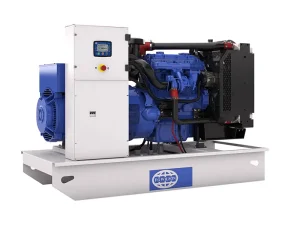
China Wilson 110KVA Portable Diesel Generator Small Range <220 kVA P110-3 Exporter, Service
Inquire & Order Crankshaft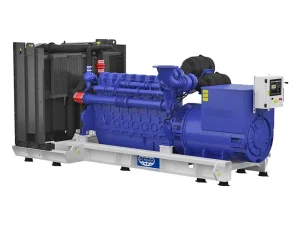
High-Quality Large Range >800 kVA FG Wilson Diesel Generator P1000-1 Supplier, Exporter
Inquire & Order Crankshaft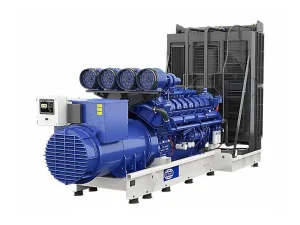
Cheap Fg Wilson High Power Diesel Generator Set (800-2500kva) P1650-1 Exporters, Service
Inquire & Order Crankshaft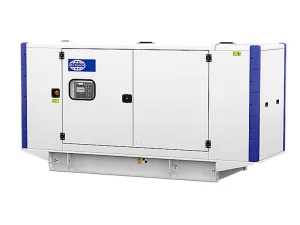
Cheap Wilson 50KVA Diesel Generator Industrial Power Solution P50-4 Supplier, Service
Inquire & Order Crankshaft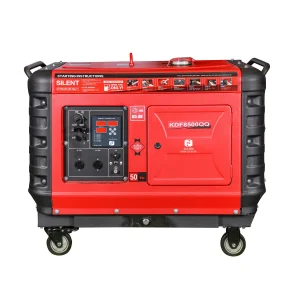
China Super quiet generator set Powerful engine Stable output 6.9KVA 7.5KVA Suppliers, Exporters
Inquire & Order Crankshaft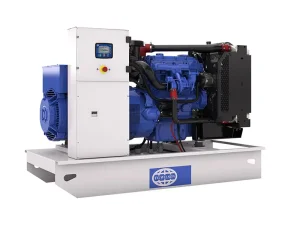
Cheap Wilson 40KVA Industrial Power Generator Small Range <220 kVA P40-4S Supplier, Exporter
Inquire & Order Crankshaft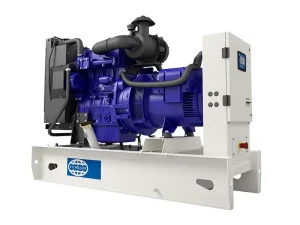
China FG Wilson Small Range <220 KVA High-Efficiency Energy Generator Sets P7.5-4S Exporter, Service
Inquire & Order Crankshaft