
Featured Industrial Generator Sets & Core Assemblies
Engineered with high-tolerance cylinder heads, heavy-duty blocks, and micro-calibrated valvetrains configured for continuous prime and critical standby power architectures.
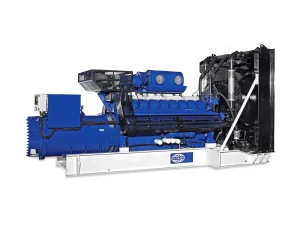
Cheap Fg Wilson Industrial Diesel Generator Set (800-2500kva) P1875-1 Exporter, Service
Explore Unit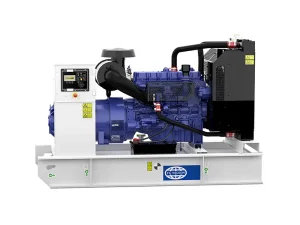
China Wilson Small Type Fuel Optimized Diesel Generator Set P175-2 Exporters, Exporter
Explore Unit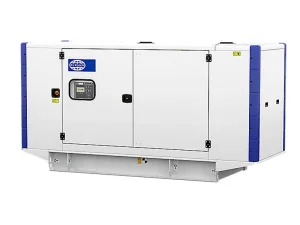
Cheap Wilson Small Range <220 kVA High-Efficiency Power Unit P165-5 Suppliers, Exporters
Explore Unit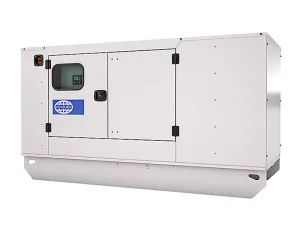
High-Quality Wilson Open Type Small Diesel Generator Sets 230 V, 50 Hz P50-5S Supplier, Exporters
Explore Unit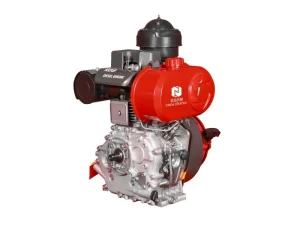
Cheap Single Cylinder Air-cooled Diesel Generator KD9 Supplier, Exporter
Explore Unit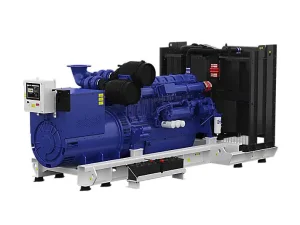
Cheap Large 1125 kVA Versatile Generators for Large-Scale Power Needs P1250-1 Exporter, Service
Explore Unit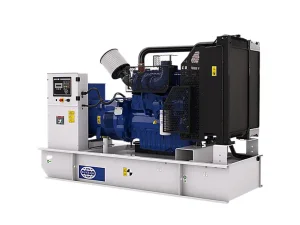
China FG Wilson Generator set 225-938kVA, Industrial-Grade Power Guarantee P300-5 Suppliers, Service
Explore Unit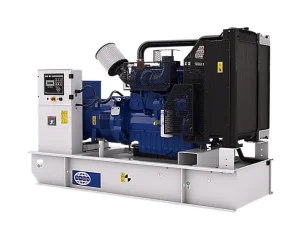
Cheap Medium Range 225-838kva-P250-5 Durable Diesel Generators for Industrial Exporters, Exporter
Explore UnitPrecision Cylinder Head Engineering: Thermodynamics, Fatigue Life, and Material Science
A comprehensive examination of casting integrity, microstructural stability under peak combustion pressures (Pmax > 220 bar), and thermal boundary management in modern diesel and gas combustion chambers.
The internal combustion engine cylinder head operates under the most thermodynamically punishing envelope of any stationary powertrain component. Serving as the structural closure for the combustion chamber, it is simultaneously exposed to cyclic gas temperatures exceeding 2,000°C, mechanical peak firing pressures reaching 18 to 25 MPa in heavy-duty commercial applications, and aggressive galvanic corrosives within cooling galleries. Sourcing high-quality cylinder heads requires profound insight into metallurgy, casting integrity, precision multiaxis CNC machining, and rigorous quality verification protocols.
Historically, gray cast iron grades such as HT250 and HT300 (equivalent to ASTM Class 35/40) have formed the backbone of heavy industrial engines due to their excellent damping capacity, superior castability, and cost-effective thermal conductivity. However, as global decarbonization initiatives demand higher brake mean effective pressures (BMEP) and aggressive turbocharging ratios to minimize fuel consumption per kilowatt-hour, conventional flake graphite iron encounters limits regarding thermal fatigue resistance across the critical inter-valve bridge zones.
Bar Peak Firing Pressure Tolerance
Automated Pressure Decay Leak Tested
Deck Face Surface Roughness (Ra)
Thermal Shock Test Endurance Cycles
| Material Classification | Tensile Strength (MPa) | Thermal Conductivity (W/m·K) | Fatigue Endurance Limit | Primary Industrial Application |
|---|---|---|---|---|
| Gray Iron HT250 / Class 35 | 250 – 290 | 46 – 50 | Moderate (Flake Graphite) | Medium-speed gensets, standard agricultural engines, legacy trucks |
| Alloyed Gray Iron (Cr-Mo-Ni) | 300 – 350 | 42 – 45 | High Thermal Cycling Resistance | Industrial standby diesel generators, marine auxiliary engines |
| Compacted Graphite Iron (CGI RuT400) | 400 – 480 | 36 – 40 | Exceptional (75% higher than Gray Iron) | Euro VI / Tier 4 Final heavy trucks, continuous high-load powerplants |
| A356-T6 Cast Aluminum Alloy | 280 – 320 | 150 – 170 | Optimized for High Thermal Dissipation | Light-duty commercial transport, emergency compact generation units |
China Factory Supply Chain Advantages: Precision, Scalability, and Value Integration
How state-of-the-art foundry automation, vertical tooling supply chains, and multi-axis CNC machining corridors deliver aerospace-grade tolerances at reduced total cost of acquisition.
Vertical Foundry Integration
China's modern casting facilities leverage automated green-sand molding lines (such as DISA and Heinrich Wagner Sinto) coupled with robotic core assembly. This eliminates structural slag inclusions, cold shuts, and sand-wash defects before machining even commences.
- Closed-loop spectrographic chemical analysis per heat
- In-mold inoculation for uniform eutectic cell distribution
- Computed Tomography (CT) non-destructive scanning for internal voids
5-Axis CNC Precision Finishing
Machining complex cylinder heads demands high geometric repeatability. Chinese tier-1 engine suppliers deploy multi-pallet horizontal machining centers (Makino, Grob, DMG Mori) capable of single-clamping operations across valve guides, seats, and injector pockets.
- True valve guide-to-seat concentricity within < 0.015 mm
- Combustion deck surface flatness within 0.03 mm across 1,000 mm
- High-pressure deburring and automated ultrasonic cleaning channels
Unmatched Total Cost of Ownership
Through collocated raw material extraction, localized tooling die fabrication, and optimized energy utilization, Chinese suppliers reduce upfront tooling lead times by up to 45% and piece-part expenditure by 30% to 50% without quality concession.
- Rapid prototyping via direct binder-jet sand 3D printing
- Comprehensive localized supplier ecosystems for valves and springs
- Agile production shift scheduling for emergency batch volumes
Global Enterprise Procurement Demands: Verification, Traceability, and Risk Mitigation
Translating Tier-1 OEM engineering requirements into auditable factory floor controls across metallurgical testing, pressure holding, and coordinate metrology.
IATF 16949 & ISO 9001 Alignment
Global procurement teams in Europe, North America, and Southeast Asia demand verifiable quality management systems. Sourcing criteria include Advanced Product Quality Planning (APQP), Production Part Approval Process (PPAP Level 3), and Statistical Process Control (SPC) documentation tracking critical dimensions (Cpk > 1.67).
Hydrostatic & Pneumatic Decay Testing
Every single cylinder head casting must pass automated pressure holding tests to ensure zero porosity linkage between oil galleys, cooling jackets, and combustion bowls. Our factory standards mandate 0.6 to 0.8 MPa submerged hydrostatic verification at 80°C to simulate real-world thermal expansions.
100% CMM Metrology & Laser Scanning
Using bridge-type Zeiss Coordinate Measuring Machines (CMM) situated within temperature-stabilized metrology cleanrooms (20°C ± 1°C), geometric dimensioning and tolerancing (GD&T) are verified against original 3D step files, guaranteeing total drop-in interchangeability for rebuilders.
Emerging Technology Trends Reshaping Cylinder Head Manufacturing
From alternative zero-carbon combustion fuels to additive tooling integration, discover how advanced research is transforming internal combustion component design.
Hydrogen & Dual-Fuel Adaptation
Hydrogen direct injection (H2-ICE) and synthetic e-fuels generate localized dry-gas heat zones. Next-generation heads incorporate cobalt-based Stellite valve seat inserts and optimized flow cooling circuits to prevent backfire and pre-ignition knock.
Additive Core Sand 3D Printing
Foundries are eliminating traditional wooden core tooling patterns for complex water jackets. Direct sand printing facilitates organic internal fluid routing, enhancing coolant heat dissipation rates by up to 28% without increasing casting mass.
Lightweight High-Modulus CGI
Compacted Graphite Iron allows cylinder head deck walls to be cast 15% to 22% thinner while simultaneously supporting higher combustion pressures. This contributes to overall powertrain weight reduction and heightened mechanical efficiency.
Embedded In-Cylinder Sensor Ports
Modern stationary generation and marine engines require constant condition monitoring. Precision machining now accommodates real-time optical flame and piezoelectric cylinder pressure transducers for AI combustion tuning.
Localized Application Scenarios: Engineered for Harsh Operational Environments
Cylinder heads engineered to endure extreme temperature deltas, continuous un-derated prime power loading, and variable fuel quality across global terrains.
Heavy Stationary Power Generation
Continuous prime generation in data centers, remote mining grids, and municipal utilities relies on consistent heat transfer through the cylinder head. Units supporting FG Wilson and Perkins powertrains withstand unceasing thermal loading under 24/7 uninterrupted base-load duty cycles.
Marine Propulsion & Auxiliary Units
Navigating saline-dense atmospheres demands specialized nickel-alloy valve guide seats and anti-corrosive internal cathodic coatings within the head's raw-water cooling circuits. Prevents pitting erosion common in commercial tugs, bulk carriers, and offshore supply vessels.
Off-Highway Mining & Earthmoving
Excavator, dozer, and heavy quarry haul fleets face severe low-RPM, high-torque torsional stresses and high-amplitude mechanical vibration. Our reinforced cast bridge designs eliminate premature head gasket blow-by and deck cracking under unpredictable load shocks.
Localization Support, Global Logistics, and Compliance Assurance
Ensuring frictionless international trade compliance, precision customs classification, protective seaworthy crating, and localized engineering support.
Seaworthy VCI Protective Packaging
Every machined deck face, valve seat, and threaded fastener bore is coated with aerospace-grade vapor corrosion inhibitor (VCI) oils, hermetically sealed inside moisture-barrier foil bags, and cradled in custom-molded solid timber export crates complying with ISPM 15 phytosanitary standards.
Complete Regulatory & Tariff Support
We provide comprehensive HS code classification (8409.99 engine components), Certificates of Origin (CO, Form E, Form A), EUR.1 declarations, and verified third-party laboratory material test reports (MTR) verifying EN 10204 3.1 chemical composition and mechanical properties.
Rapid Engineering Sourcing Support
Our bilingual mechanical engineering support team responds to RFQs within 24 hours. For obsolete or aftermarket engine platforms, we deliver full white-label reverse-engineering services using 3D blue-light optical scanning to recreate precise CAD master models.
Frequently Asked Questions: Cylinder Head Engineering & Procurement
Authoritative technical answers to common engineering, quality verification, and commercial inquiries submitted by engine rebuilders and fleet managers.
What are the key metallurgical distinctions between HT250 and Compacted Graphite Iron (CGI) cylinder heads?
HT250 is a traditional gray iron characterized by sharp flake graphite morphology, providing optimal vibration dampening and thermal conductivity (~48 W/m·K). However, sharp graphite tips act as stress risers under extreme pressures. Compacted Graphite Iron (CGI / RuT400) features rounded, worm-like (vermicular) graphite particles. This microstructural morphology yields a 75% higher tensile strength (400-480 MPa) and approximately double the fatigue endurance limit, preventing combustion face micro-cracking in high-output turbocharged commercial engines operating with peak pressures above 200 bar.
How does your manufacturing facility guarantee zero internal porosity in coolant passages?
We deploy a multi-stage leak validation protocol: First, raw castings undergo high-resolution digital X-ray inspection across critical inter-valve cross-sections. Following CNC rough and finish machining, 100% of finished cylinder heads are subjected to automated differential pneumatic decay testing. Finally, lot samples undergo continuous heated hydrostatic pressure testing at 0.8 MPa (8 bar) with 80°C corrosion-inhibited water for 120 seconds to confirm complete seal integrity under simulated engine operating expansion.
Can you supply fully assembled cylinder heads complete with valves, springs, and retainers?
Yes. We provide both bare cylinder heads (with installed and finished valve seats and guides) and complete "turnkey ready-to-bolt-on" assembled cylinder heads. Turnkey assemblies feature OEM-grade 21-4N austenitic steel intake valves, Stellite-faced exhaust valves, shot-peened silicon-chromium valve springs calibrated for seat pressure, viton stem seals, and hardened retainers—all pre-vacuum tested for valve seating efficiency.
What surface finish roughness (Ra) is maintained on the cylinder head deck surface?
For engines utilizing modern Multi-Layer Steel (MLS) cylinder head gaskets, deck surface finish is critical to prevent micro-leakage of combustion gases or coolant. Our CBN (Cubic Boron Nitride) rotary milling operations hold a surface roughness of Ra 0.4 to 0.8 μm (16 to 32 micro-inches) with a total deck flatness within 0.03 mm across the entire length of a 6-cylinder in-line casting, preventing localized gasket relaxation.
What is the minimum order quantity (MOQ) and production lead time for customized cylinder head castings?
For standard catalog models (covering Cummins, Perkins, Caterpillar, FG Wilson, Weichai, etc.), our MOQ is as low as 5 to 10 units with off-the-shelf dispatch within 7 to 14 days. For custom OEM casting developments requiring newly engineered tooling dies and sand core boxes, rapid binder-jet 3D printed sand prototyping allows first-article sampling in 3 to 4 weeks, with production tooling and PPAP Level 3 approval accomplished in 60 to 75 days.
High-Efficiency Power Equipment & Heavy Generation Sets
Discover our extended export portfolio of open-frame, sound-attenuated, and industrial power generation systems matched to heavy-duty cylinder head architectures.
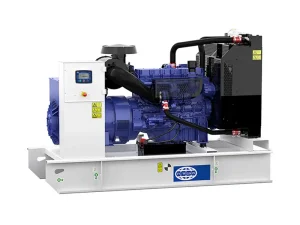
High-Quality Wilson Open Type Small Diesel Generator Sets 400V, 50 Hz P150-5 Exporter, Service
Explore Unit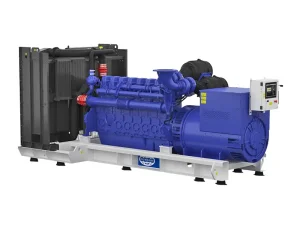
China Fg Wilson High-power Generator sets Large Range >800 kVA Are Applicable To Various Scenarios - P1375-1 Supplier, Exporters
Explore Unit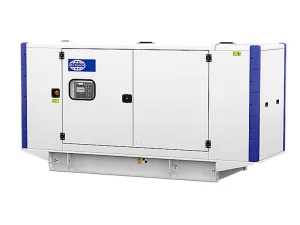
Cheap Wilson 50KVA Diesel Generator Industrial Power Solution P50-4 Supplier, Service
Explore Unit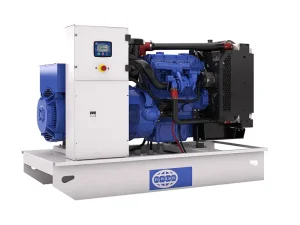
High-Quality Wilson Open Type Diesel Generator Sets Small Range <220 kVA P40-3S Suppliers, Service
Explore Unit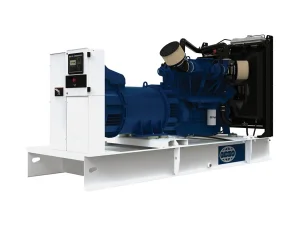
China Fg Wilson High-power Generator Set Medium Range 225-938KVA P660-3 Suppliers, Exporter
Explore Unit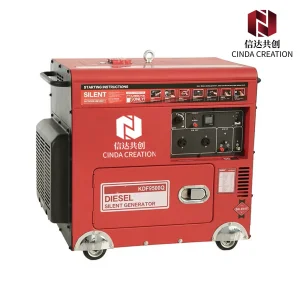
High-Quality 6.6kVA 8KW Silent Diesel Generator Set Diesel Engine with Soundproof Enclosure Supplier, Service
Explore Unit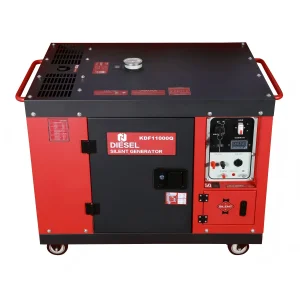
Cheap Powerful silent small diesel generator sets Low Noise for Camping and Home Suppliers, Exporter
Explore Unit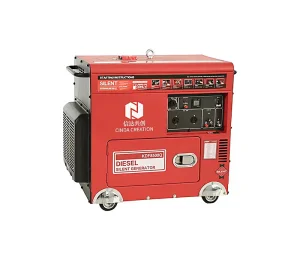
High-Quality Quiet 7.5KVA Diesel Generator Reliable Power Minimal Noise for Building Backup Power Exporter, Service
Explore UnitInitiate Your Cylinder Head Sourcing Specification
Connect directly with our metallurgical and mechanical engineering specialists. Receive full PPAP Level 3 documentation, detailed 2D/3D CAD dimensional layouts, and competitive factory-direct export quotations within 24 hours.