
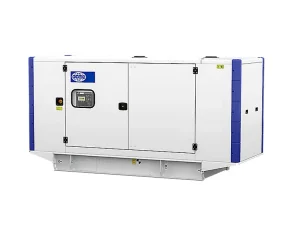
Eco-friendly compact genset with synchronized fuel timing and mechanical high-pressure injection calibration.
Cheap Wilson Eco-Friendly Generator Small Range <220 kVA P65-6 Exporters, ExporterExplore heavy-duty FG Wilson generator platforms integrated with advanced high-pressure diesel injection systems, available for immediate global export.
Eco-friendly compact genset with synchronized fuel timing and mechanical high-pressure injection calibration.
Cheap Wilson Eco-Friendly Generator Small Range <220 kVA P65-6 Exporters, Exporter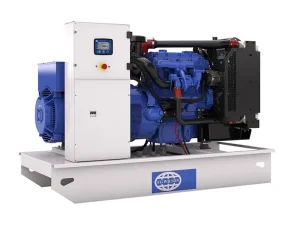
Precision-balanced fuel distribution system designed for micro-commercial standby and continuous light industrial loads.
China Wilson Small Type 33KVA Reliable Energy Source P33-6 Supplier, Service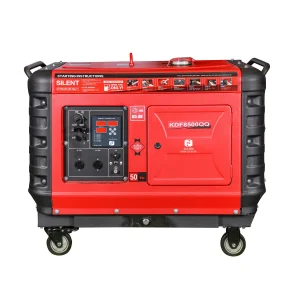
Ultra-low noise acoustic containment engineered with high-atomization fuel oil pressurization for maximum thermal efficiency.
China Super quiet generator set Powerful engine Stable output 6.9KVA 7.5KVA Suppliers, Exporters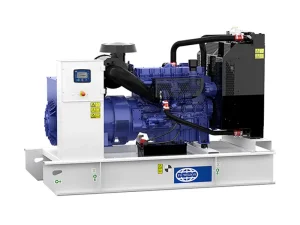
Ruggedized injection line components ensuring stable transient frequency stability under abrupt dynamic power shifts.
High-Quality Wilson Small Range <220 kVA Advanced Power Generator P165-6 Supplier, Exporters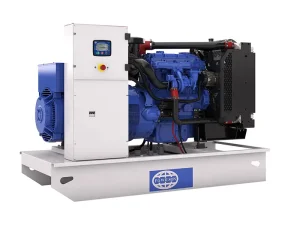
Optimized plunger travel and pressure maintenance valves that yield exceptional brake specific fuel consumption (BSFC).
High-Quality Wilson Small Small Range<220 kVA High-Efficiency Power Generator P110-6 Suppliers, Exporter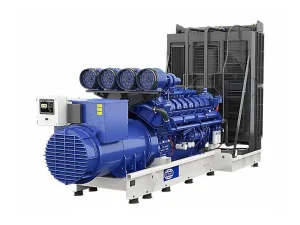
Heavy industrial multi-megawatt platform equipped with dual-circuit high pressure oil and fuel pumping suites.
Cheap Fg Wilson High Power Diesel Generator Set (800-2500kva) P1650-1 Exporters, Service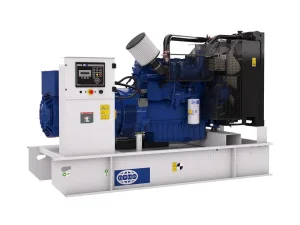
Mid-range utility backup featuring high-pressure common rail injection for precise combustion management.
High-Quality FG Wilson 225-938kVA High-Efficiency Generator Set, Stable Power Supply Solution P275-2 Supplier, Exporters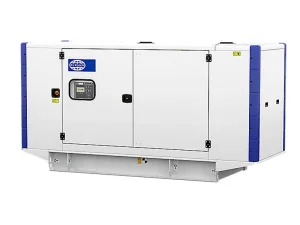
Durable Perkins-driven platform with verified hydraulic and fuel pump durability for round-the-clock prime power.
Cheap Wilson Small Range <220 kVA High-Efficiency Power Unit P165-5 Suppliers, ExportersUncompromising hydraulic efficiency depends on sub-micron tolerances, diamond-like carbon coatings, and dynamic flow stabilization.
Modern high pressure oil pumps (HPP) operate under intense cyclical stresses between 1,800 bar and 2,500 bar. Plunger-and-barrel clearances are honed within 0.8 to 1.5 microns, preventing internal leakage while eliminating boundary lubrication failure during thermal transients.
Utilizing Diamond-Like Carbon (DLC) coating along the roller tappets and plunger skirts reduces abrasive scuffing by over 73%. This advanced surface engineering prevents micro-welding when operating with low-viscosity, low-sulfur fuels or shear-thinning synthetic lubricants.
Finite element flow modeling optimizes the inlet throttling geometries and delivery valve decompression chambers. This structural tuning eliminates fluid separation bubbles, reducing cavitation pitting along the pump body and tripling service intervals.
| Pump Class / Architecture | Operating Pressure (bar) | Tolerance Honing | Target Duty Cycle | Primary Industrial Use-Case |
|---|---|---|---|---|
| Radial Multi-Plunger Common Rail | 1,600 – 2,500 bar | ±0.8 μm | Continuous 24/7 Prime | Marine propulsion, megawatt standby generation |
| In-Line Mechanical Plunger Pump | 800 – 1,400 bar | ±1.2 μm | Heavy Shock Cyclic | Mining haul trucks, earthmoving equipment |
| Variable Displacement Axial Piston | 350 – 500 bar | ±1.0 μm | Dynamic Load Response | Industrial hydraulic presses, offshore cranes |
| High-Pressure Lubrication Gear Unit | 25 – 80 bar | ±2.5 μm | Constant Hydrostatic Film | Turbine journals, heavy marine reduction gears |
Combining world-class CNC ultra-precision machining centers with full-tier industrial supply chains for unmatched cost-to-performance efficiency.
From electric arc furnace forging to five-axis CNC jig grinding, China's centralized manufacturing clusters ensure raw material traceability and eliminate inter-factory transit latency.
Modern factories utilize optical profilometers and automated coordinate measuring machines (CMM) achieving repeatability down to 0.0001 mm, backed by rigorous leak-off bench testing.
Leveraging scaled automated lines, Chinese exporters provide a 30% to 45% reduction in capital expenditure compared to European counterparts without conceding metallurgic grade or longevity.
Strategic logistics corridors adjacent to Tianjin, Qingdao, and Shanghai enable containerized sea-freight and expedited air-express dispatch for mission-critical parts within 48 to 72 hours.
From desert thermal saturation to sub-zero high-altitude terrain, our systems deliver unyielding hydraulic integrity.
Supplying consistent fuel metering and servo oil pressure across remote desert terrains, such as the 2,400 km China–Myanmar crude oil pipeline where unscheduled shutdown is unacceptable.
Compensating for low atmospheric density and cold starts at 4,000+ meters elevation. High-output pre-pressurization systems maintain fast lubrication delivery to avoid bearing starvation.
Engineered for fluid operation in temperatures plunging to -45°C. Integrated heating jackets and customized elastomer seals prevent thermal contraction blowouts and hard starts.
Turnkey lifecycle support designed to simplify international procurement for global EPC contractors, mine operators, and shipyards.
Global operators often struggle with long lead times for legacy injection units. We maintain a cross-referenced database mapping Perkins, FG Wilson, Caterpillar, Bosch, and Cummins high pressure pump assemblies to direct plug-and-play drop-in replacements, preserving original mounting flanges, driveshafts, and wiring harnesses.
Every export shipment is accompanied by detailed Mill Test Certificates (MTC) conforming to EN 10204 3.1 standards. We verify raw material chemical composition, ultrasonic crack detection, and hydrostatic burst certifications to guarantee absolute compliance with international maritime and industrial codes.
To eliminate expensive downtime in remote regions, we package Tier-1 maintenance kits containing matched plunger pairs, delivery valves, high-pressure seals, and calibrated springs. Planned maintenance programs allow plant directors to schedule overhauls precisely before mechanical fatigue occurs.
Technological advancement is accelerating toward digital closed-loop pressure dynamics and alternative fuel compatibility.
Next-generation pumps incorporate piezoelectric pressure sensors and tri-axial vibration nodes directly into the delivery manifold. This delivers millisecond-level telemetry to cloud dashboards, warning operators of cavitation or seal degradation before failures happen.
As the maritime and power sectors transition toward low-carbon fuels (such as HVO, bio-diesel, and e-methanol), pump chambers are engineered with specialized nickel-phosphorus and amorphous silicon-carbide layers to resist chemical corrosion and lubricity shortfalls.
Combustion efficiency standards demand smaller droplet sizes for complete particulate oxidation. R&D is delivering 3,000+ bar injection architectures that eliminate soot formation and elevate thermal brake efficiency beyond 52%.
Comprehensive engineering clarity addressing selection, lifecycle lubrication, pressure calibration, and international export procedures.
Industrial silent units, open frame diesel sets, and heavy-duty generators tested and ready for immediate global logistics dispatch.
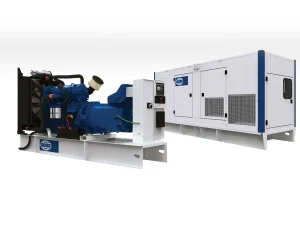
Rugged open-skid configuration featuring accessible high-pressure fluid lines for straightforward in-plant servicing.
China FG Wilson Open Type Medium Diesel Generator Sets P501-3 Supplier, Service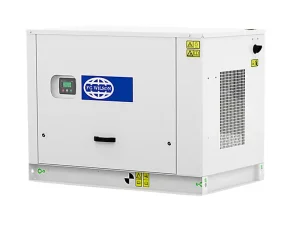
Fully enclosed sound-attenuated unit with Perkins diesel core and stabilized common fuel pressurization.
High-Quality FG Wilson Silent Small Diesel Generator Sets 400/230 V 24KVA-220KVA Perkins Engine Delivering Efficiency Supplier, Service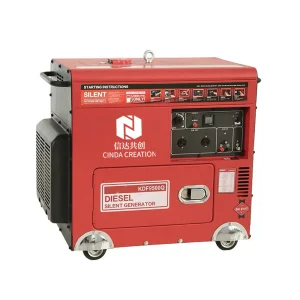
Compact field generator featuring low-vibration fuel metering and high-precision hydraulic control valves.
China Portable Diesel Super Silent Electric Electricity Power Diesel Engine Genset Supplier, Exporters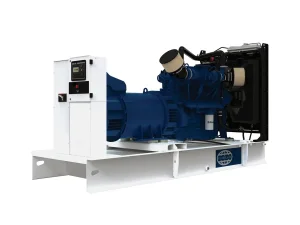
Heavy standby powerhouse equipped with high capacity fuel delivery circuits for major municipal projects.
Cheap Electrical Equipment Diesel Generator 813 kVA Silent Type Genset Diesel P813-1 Supplier, Service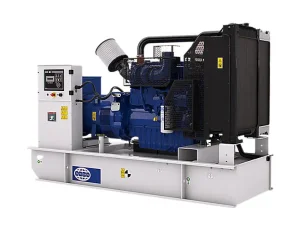
Industrial workhorse combining robust fuel injection pressure with reliable mechanical governor response.
Cheap Medium Range 225 – 938 kVA Fg Wilson Generator Set P375-5 Supplier, Exporter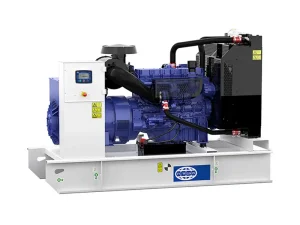
Unenclosed baseframe model optimized for cleanroom and ventilated machinery spaces requiring fast servicing access.
High-Quality Wilson Open Type Small Diesel Generator Sets 400V, 50 Hz P150-5 Exporter, Service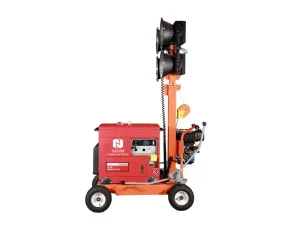
Acoustically treated quiet canopy unit utilizing smooth-delivery fuel pumps to minimize mechanical noise generation.
High-Quality Noise Reduction Technology Silent Generator Set KDF8500Q(-3) Suppliers, Exporter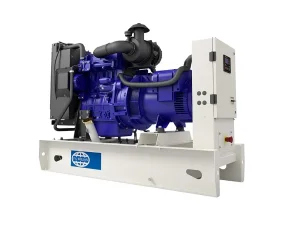
Compact low-displacement power unit featuring durable high-pressure fuel feeding for uninterrupted prime power.
Cheap P9.5-4FG Wilson Generators: Reliable Power Solutions Suppliers, Exporters