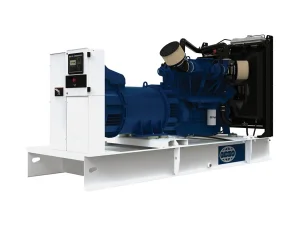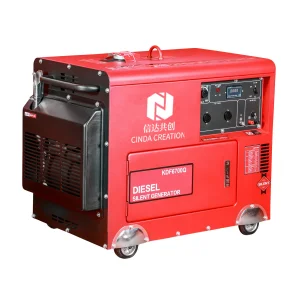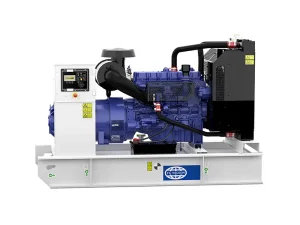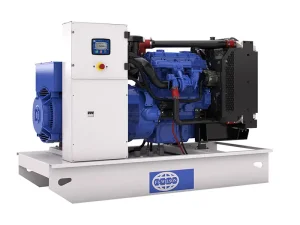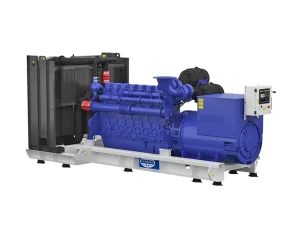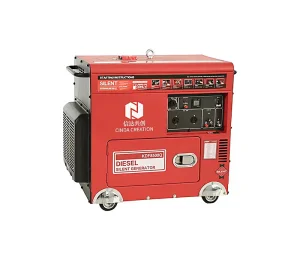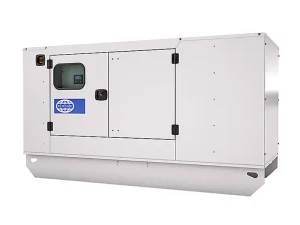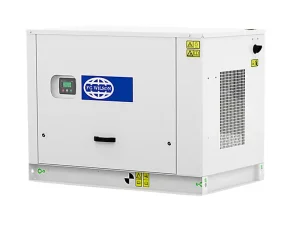
Featured Residential & Light Commercial Gensets
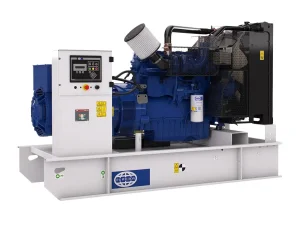
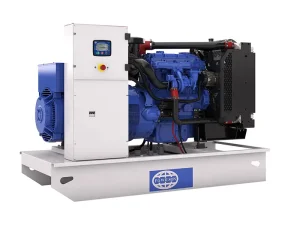
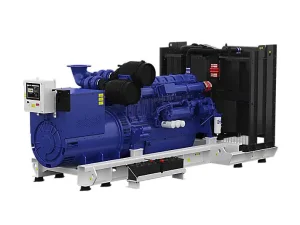
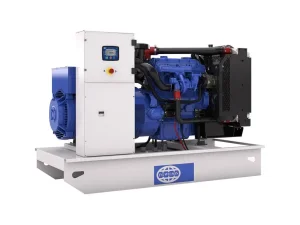
Selected high-efficiency silent and open configurations featuring FG Wilson and Perkins engineering. Each system comes complete with auto-mains failure integration, low-harmonic alternators, and multi-climate acoustic canopies.
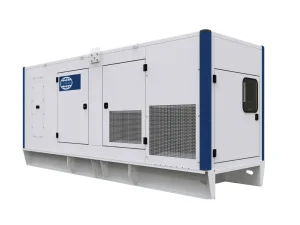
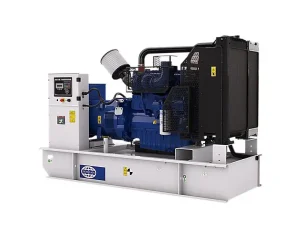
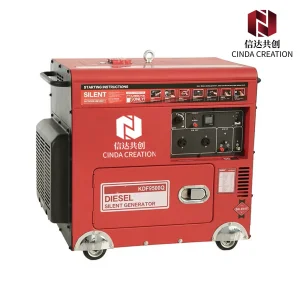
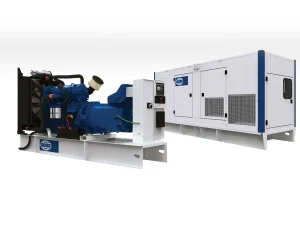
Global Energy Vulnerabilities & The Evolution of Household Backup Generation
Decentralized microgeneration has transitioned from an elective convenience to an indispensable infrastructure layer. Escalating climatic volatility, grid infrastructure aging across North America and Europe, and chronic energy deficits across emerging economies have propelled whole-house backup generators into mission-critical residential architecture.
Grid Fragility & Suburban Electrification
Modern domestic properties demand continuous electrical input for HVAC thermal loops, deep-well water distribution, high-capacity home servers, and electric vehicle (EV) charging. Utility transmission lines, strained by non-linear loads and volatile seasonal peaks, subject end users to severe brownouts and transient frequency dips. Engineered residential gensets mitigate utility instability by functioning as an autonomous behind-the-meter island microgrid.
Commercial-to-Residential Technology Transfer
Historically, domestic back-up relied on hazardous, open-frame, manual-start petrol generators with total harmonic distortion exceeding 15%. Modern installations deploy diesel-driven industrial architectures scaled for domestic footprints. Utilizing genuine Perkins, Weichai, or licensed Cummins blocks, these units deliver brushless synchronous alternators, permanent magnet excitation (PMG), and class-H insulation for high inductive loads.
Dual-Source Microgrid Hybridization
Advanced estates combine rooftop solar photovoltaics (PV) and Lithium Iron Phosphate (LFP) energy storage with automatic diesel generation. In this paradigm, the generator does not run inefficiently on low loads; instead, digital PLC controllers start the generator only when the battery state of charge (SoC) breaches safety thresholds, running the diesel unit at its optimal brake specific fuel consumption (BSFC) band between 70% and 85% continuous load.
Chinese Factory Efficiency, Precision Tooling & Global Cost Parity
The export dominance of Chinese generating set manufacturing derives from deep vertical supply chain integration. From casting iron engine blocks and stamping cold-rolled silicon steel laminations to robotic electrostatic powder coating, Chinese facilities deliver unmatched delivery speed and component traceability.
At Cinda Creation (Beijing Xinda Creation Machinery Equipment Co., Ltd.), engineering governance follows rigorous ISO 9001, ISO 14001, and ISO 45001 execution pathways. Power assemblies undergo stringent dynamic vibration monitoring, digital harmonic spectrum assessment, and simulated load steps up to 110% prior to dispatch.
-
Certified Tier-1 Powerheads: Direct integration with FG Wilson licensed chassis, Perkins four-stroke diesels, and Weichai industrial powerplants.
-
Laser-Cut Acoustic Enclosures: Galvanized 2.0mm steel canopies lined with flame-retardant sound-attenuating polyether foam, sealed to IP56 ingress ratings.
-
Intelligent Remote Telemetry: Microprocessor control systems (Deep Sea / ComAp / SmartGen) with RS485, Modbus, and 4G cloud remote start protocols.
| Engineering Attribute | Standard Domestic Class | Cinda Industrial Household |
|---|---|---|
| Alternator Core | Copper-Clad Aluminum | 100% Pure Electrolytic Copper (H-Class) |
| Voltage Regulation | Standard Linear Transformer | Digital Solid-State AVR (±0.5%) |
| Harmonic Distortion (THD) | 8% – 15% (Risky for PCs) | < 3% Clean Pure Sine Output |
| Run-Time Autonomy | 4–6 Hours (Small Plastic Tank) | 12–24 Hours Base Skid Double-Wall Tank |
| Governor Type | Mechanical Flyweight | Electronic Actuator / ECM Control |
| Factory Acceptance Test | Batch Sample Spot Check | 100% 4-Step Load Bank FAT (0, 50, 75, 100%) |
Engineered Resilience for Global Geographical Realities
A household generator must perform under environmental extremes. Cinda Creation designs custom engineering packs suited for high altitudes, freezing Arctic freezes, and corrosive maritime environments.
Sub-Zero & Nordic Winterized Estates
In regions like Canada, Northern Europe, and Hokkaido, ambient temperatures routinely drop to -35°C. Our cold-climate packs feature thermostat-regulated engine block coolant jacket heaters, heavy-duty crankcase sump heating elements, fuel line trace warming, and dual high-CCA AGM start batteries to guarantee automated start-up within 8 seconds of grid drop.
High-Ambient Desert & Tropical Installations
Operating in the Middle East, West Africa, and Southeast Asia exposes equipment to +50°C ambient air and sand particulate loading. Standard generators suffer severe thermal derating. We integrate 50°C heavy-duty tropicalized radiators, dual-stage cyclonic air filtration, and specialized acoustic baffle geometry that optimizes airflow velocity while arresting dust ingress.
Coastal & Saline Offshore Enclaves
Oceanfront residential compounds face airborne salt spray that degrades standard metal enclosures in months. Cinda Creation applies marine-grade electrophoretic dip-priming combined with 120-micron architectural powder coats, 316 stainless-steel exterior hinges and fasteners, and tropicalized alternator winding varnish to resist dielectric failure.
Engineering Calculations: Sizing Domestic & Residential Gensets
Sizing errors account for over 65% of field generator failures. Undersizing results in voltage collapse during inductive compressor starts, while severe oversizing causes wet-stacking and bore glazing in diesel engines due to prolonged low combustion temperatures.
Steady-State Load Audit
Tally all resistive loads (lighting, heating coils, water heaters) where power factor (PF) equals 1.0. Add baseline microelectronics and server loads.
Inrush (LRA) Compensation
Calculate motor locked-rotor amps (LRA) for HVAC compressors, bore pumps, and elevators. Inductive motors demand 3x to 6x rated run current upon startup.
Derating Factor Analysis
Apply ISO 3046 derating metrics: subtract 1% output per 100m elevation above 1000m, and 2% per 5°C increase over 40°C ambient room temperatures.
Duty Cycle Configuration
Distinguish between Emergency Standby (ESP - ISO 8528-1 limit 200 hrs/yr) and Prime Rated Power (PRP - unlimited annual run hours at variable load).
Frequently Asked Engineering & Procurement Questions
Direct technical clarity from Cinda Creation's mechanical engineering and power system export department.
Why choose a diesel-powered whole-house generator over petrol or natural gas?
How does the Automatic Transfer Switch (ATS) integrate with domestic mains power?
What makes an FG Wilson / Perkins combination suitable for residential quiet zones?
Can sensitive home electronics and smart home servers run safely on these generators?
What after-sales service, spare parts, and warranty framework do you supply?
High-Capacity Household & Commercial Prime Power Systems
Expanding your microgrid capacity. Explore our low-noise, high-autonomy, and heavy-output diesel generator units built for long-duration island mode power delivery.