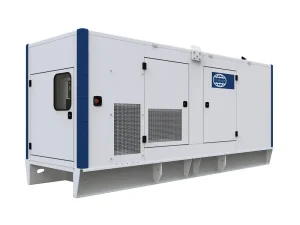
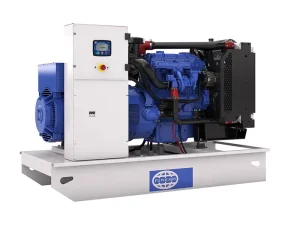
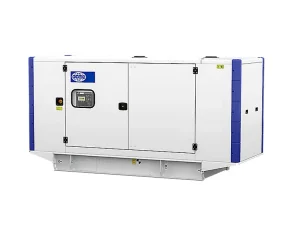
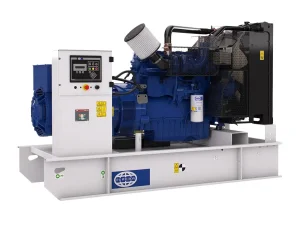
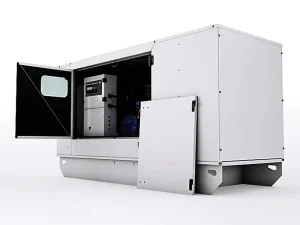
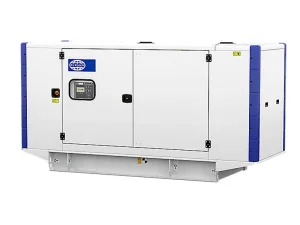
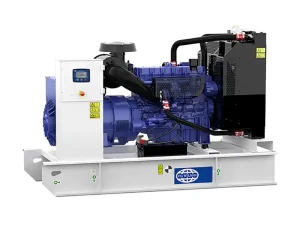
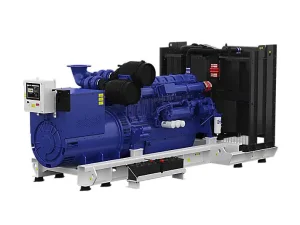
Standardized Generator Sets & Mechanical Systems (Part I)
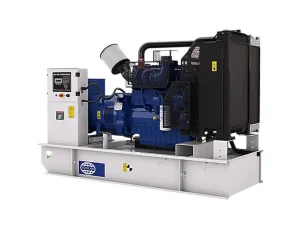
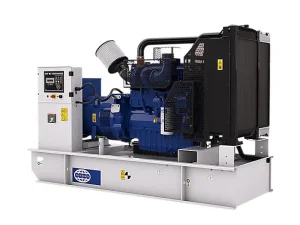
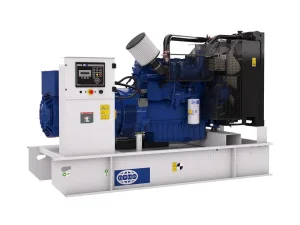
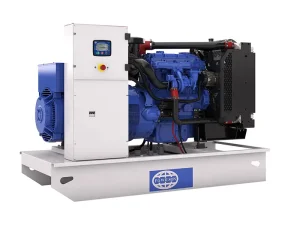
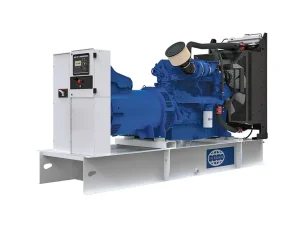
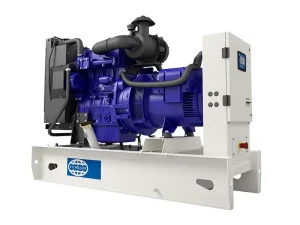
Engineered for mission-critical reliability, synchronized with high-efficiency Perkins diesel engines, premium filtration units, and heavy-duty drivetrain components.
The Critical Triad: Perkins Filtration, Dynamic Belt Drive & Genset Longevity
A rigorous B2B technical exploration into the preventative thermodynamics, micro-particle fluid mechanics, and friction transmission engineering driving modern global power generation.
Global Heavy Equipment Context
The contemporary macro-industrial landscape operates under unrelenting power density demands. As tier-4 final and Stage-V emission standards take precedence across global corridors, internal tolerances inside Perkins series engines (such as the 400, 1100, 2000, and 4000 platforms) have dropped into the sub-micron clearance threshold.
Unfiltered particulate matter exceeding 4 microns triggers exponential hydrodynamic wear in high-pressure common rail (HPCR) injection mechanisms operating upwards of 2,000 bar. Reliable micro-glass fuel and oil filtration is no longer auxiliary—it is existential.
Dynamic Belt Friction Kinetics
Auxiliary drive belts (poly-V, cogged, and heavy-duty wrapped v-belts) shoulder continuous kinetic burdens: spinning cooling fans, high-amperage alternators, and mechanical coolant pumps. Belt elongation, micro-slip, and thermal degradation result in cooling capacity shortfalls.
Under heavy transient loading, a 2% slip factor in a generator cooling fan drive translates to a 7°C surge in coolant core temperatures, pushing units past thermal fail-safe trips during utility outages.
The Total Reliability Formula
As an authoritative supply-chain integrator, Beijing Xinda Creation (Cinda Creation) pairs OEM-grade FG Wilson generator manufacturing with precision-matched Perkins spare consumables. This structural synergy mitigates unplanned capital downtime.
Standardizing across genuine Perkins filtration media and synthetic EPDM heat-resistant belts ensures calculated MTBF (Mean Time Between Failures) metrics exceed 10,000 running hours in primary operating regimes.
Engineered Performance & Material Standards
Real-world laboratory parameters defining our filtration precision, tensile cord stability, and global fulfillment commitments.
Multi-Stage Coalescing Filtration
Our Perkins replacement fuel-water separators integrate pleated polymeric and synthetic glass-fiber media, achieving comprehensive water droplet coalescing down to free-water emulsion levels under 50 ppm, shielding sensitive CRDI solenoid valves.
Aramid-Cord Serpentine Ribs
Engineered with oriented aramid/polyester high-modulus tension cords wrapped in chloroprene/EPDM elastomer cushions. Provides zero-stretch characteristics, ultra-low dampening fatigue, and total oil/ozone resistivity on high-inertia fan clutches.
Anti-Bypass Structural Rigidity
Reinforced stamped spiral steel central tubes with heavy-duty nitrile rubber anti-drainback seals ensure Perkins lube oil filters withstand cold-start dynamic pressures up to 10 bar without pleat collapse or internal fluid bypass.
Localized Scenarios, Compliance & Operational Case Studies
Field installations across extreme geographies proving the endurance of Perkins power architecture coupled with proper preventative spares management.
Equatorial Energy: Pipeline Power
On continuous-pumping sites along heavy transport networks, such as the 2,400 km China-Myanmar crude oil line, power integrity is not optional. Generators equipped with high-efficiency Perkins diesel engines operate continuously.
Heavy ambient dust and humidity demand heavy-duty dual-stage air filtration paired with synchronous fan belts that resist continuous thermal degradation without requiring frequent re-tensioning.
Tier-3 Data Center & Health Facilities
Critical hospital life support and high-transaction colocation facilities require instant auto-start sequences via ATS within 10 seconds of grid failure. Lubricant viscosity must be instantly clean; fuel lines must be devoid of bio-mass and sediment.
Supplying calibrated Perkins spin-on fuel and oil filters prevents dry-crank cylinder scoring and ensures emergency reserve units spin up to 1500/1800 RPM synchronously without hesitation.
Sub-Zero Arctic Deployments
Deployments in Arctic mining operations (operating beyond 20 continuous years in service) exhibit ambient temperatures plummeting past -40°C. Standard elastomeric belts crack; low-grade filter housings suffer seal shrinkage.
We configure synthetic HNBR/EPDM low-temperature rated power transmission belts and cold-flow fuel coalescing cartridges to keep prime power systems fully functional without brittle rupture.
Preventative Maintenance Lifecycle & Filtration Tolerances
Systematic component replacement intervals mapped across ISO 8528 prime and standby operating regimes for Perkins engines.
| Component Group | OEM Engineering Standard | Material Composition | Service Window (Prime) | Failure Mode Prevented |
|---|---|---|---|---|
| Fuel Water Separator | ISO 19438 / SAE J1488 | Multi-layer meltblown media + PBT mesh | 250 - 500 Hours | Cavitation erosion in HPCR injectors & microbial sludge |
| Primary Lube Oil Filter | ISO 4548-12 | High-porosity microglass synthetic fibers | 250 - 500 Hours | Crankshaft journal wear, bearing scuffing & piston ring sticking |
| Heavy-Duty Air Filter | ISO 5011 Efficiency > 99.9% | Nanofiber flame-retardant embossed cellulose | 1,000 Hours (or site ΔP > 5kPa) | Combustion chamber dusting, turbocharger impeller pitting |
| Multi-Rib Alternator Belt | DIN 7867 / SAE J1459 | High-tenacity aramid cords with molded EPDM | 1,500 - 2,000 Hours | Alternator undercharge, battery depletion, dynamic slip loss |
| Cooling Fan Drive Belt | ISO 4184 / RMA IP-22 | Ethylene-propylene-diene with transverse fibers | 1,500 - 2,000 Hours | Sudden overheating, radiator boiling, engine head warping |
Frequently Asked Questions: Perkins Filtration & Power Spares
In-depth responses compiled by Cinda Creation's senior powertrain application engineers for overseas procurement officers.
How does using genuine-grade Perkins fuel filtration specifically safeguard HPCR systems?
What are the key technical signs of belt degradation before mechanical failure occurs?
Can open-type generator filtration configurations operate safely in desert high-ambient setups?
How does Beijing Xinda Creation verify equipment compliance before international containerization?
Standardized Generator Sets & Mechanical Systems (Part II)
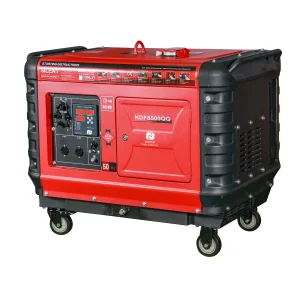
Complete your fleet deployment with high-efficiency open frame, silent canopy, and multi-range prime and standby power systems.