
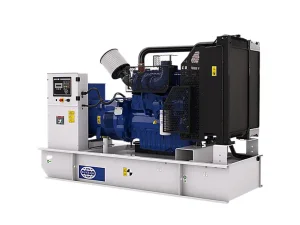
Export Catalog Portfolio
Specified Super Silent & Industrial Generator Sets
Engineered for high thermal tolerance, low acoustic footprint, and reliable power distribution under continuous and critical standby regimes.
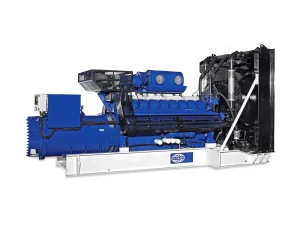
Cheap FG Wilson Industrial Diesel Generator Set (800-2500kva) P1875-1 Exporter
View Details & Engineering Specs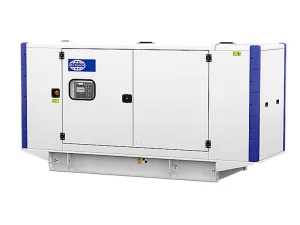
Cheap Wilson 50KVA Diesel Generator Industrial Power Solution P50-4 Supplier
View Details & Engineering Specs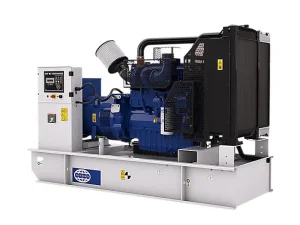
Cheap Medium Range 225-938KVA Intelligent Generator Set Automatic Control P344-5
View Details & Engineering Specs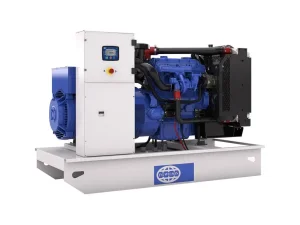
High-Quality P33-3 (skid) FG Wilson Small Range Silent Diesel Generator Set Exporters
View Details & Engineering Specs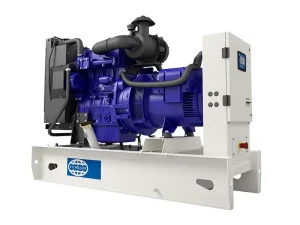
China FG Wilson Small Range <220 KVA High-Efficiency Energy Generator Sets P7.5-4S
View Details & Engineering Specs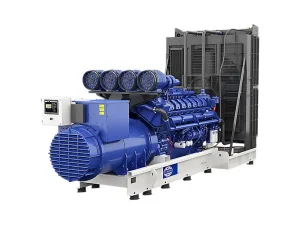
High-Quality FG Wilson Imported Diesel Generator Set P2250-3 Supplier, Exporters
View Details & Engineering Specs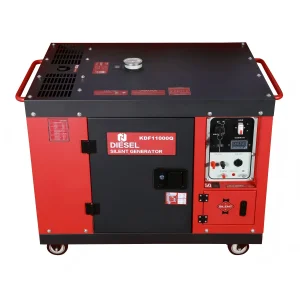
Cheap Powerful Silent Small Diesel Generator Sets Low Noise for Domestic & Light Industrial
View Details & Engineering SpecsMarket Dynamics & Global Analysis
The Global Evolution of Silent & Super Silent Power Systems
Decibel regulations, mission-critical infrastructure expansion, and microgrid deployments are redefining power generation standards across municipal, medical, and remote enterprise sectors.
Stringent Urban Acoustic Limits
Global environmental mandates—such as EU Stage V directives and North American municipal acoustic bylaws—enforce strict boundaries, regularly capping noise exposure at 65–70 dBA at 7 meters in mixed-use zones. Super silent generators resolve the friction between continuous emergency power security and high-density residential noise abatement.
- Dual-stage internal reactive-absorptive silencers
- Multi-chamber labyrinths directing intake & exhaust airflow
- High-density non-flammable acoustic mineral wool shielding
Critical Standby & Edge Cloud Integration
The proliferation of Edge Computing, modular suburban data centers, and specialized medical centers requires localized micro-generation. When the macro-grid experiences frequency shifts or catastrophic blackouts, super silent sets guarantee near-instantaneous load takeover within 10 to 15 seconds through optimized ATS switching.
- Transient load recovery exceeding ISO 8528-5 Class G2/G3
- Harmonic distortion dampening via PMG excitation
- Digital parallel controllers with load-sharing protocol
Harsh Environment Survivability
Industrial installations operating across saline coastlines, desert pipeline tracks, and sub-zero Arctic expanses necessitate robust physical canopies. Beyond sound isolation, super silent canopies serve as structural defense barriers against severe ambient variables, salt mist corrosion, thermal expansion, and torrential ingress.
- Zinc phosphate pre-treated galvanized steel or marine-grade alloy
- Electrostatically applied polyester powder coating (C5-M rated)
- Integrated jacket heaters and high-ambient delta radiators
Manufacturing & Value Chain
China Factory Efficiency & Engineering Competitiveness
Combining globally recognized prime mover technologies with precision Chinese industrial scaling, rapid prototyping, and exhaustive end-of-line load testing.
Integrated Supply Cluster
Our proximity to Tier-1 diesel engine plants (Perkins, Weichai), brushless alternator specialists, and industrial digital instrumentation factories allows for condensed lead times, custom canopies, and direct-to-port logistics orchestration.
Standardized QA Testing
Prior to export release, every super silent genset undergoes an automated multi-step testing regime: 0%, 25%, 50%, 75%, 100%, and 110% overload conditions alongside continuous 8-channel acoustic triangulation validation.
Custom Mechanical Design
Engineering modifications tailored directly to client applications, including oversized base fuel tanks (8 to 24-hour runtime), dual-wall environmental spillage containment basins, and specialized low-profile transport skids.
Global Lifecycle Engineering
Supported by a comprehensive catalog of genuine Perkins parts, specialized tooling, and clear schematic documentation, our equipment ensures uninterrupted service cycles and long mean-time-between-failures (MTBF).
Technical Data Index
Engineering Configuration Matrix: Standard vs. Super Silent Systems
A granular overview of structural acoustic design, airflow management, and operational dynamics across diverse operational environments.
| Evaluation Parameter | Open Frame Structure | Standard Silent Enclosure | High-Spec Super Silent Enclosure |
|---|---|---|---|
| Mean Sound Pressure Level @ 7m | 95 – 108 dBA (Unshielded) | 75 – 82 dBA | 62 – 68 dBA (Ultra-Quiet Class) |
| Acoustic Insulation Material | None | Standard Polyurethane Foam / Wave Sponge | High-density Non-combustible Rockwool + Perforated Steel |
| Air Induction & Exhaust Attenuation | Direct Airflow | Single-pass Louver System | Multi-chamber Acoustic Labyrinth with Dual Baffles |
| Exhaust Silencer Configuration | Basic Industrial Silencer (10-15 dBA drop) | Residential Grade (20-25 dBA drop) | Dual Critical / Hospital Grade Attenuator (35-40 dBA drop) |
| Vibration Decoupling Method | Standard Rubber Mounts | Dual-point Elastomeric Isolators | High-deflection Spring Mounts + Heavyweight Base Inertia |
| Recommended Installation Scenarios | Dedicated Underground Vaults, Isolated Plants | General Outdoor, Factory Perimeters | Hospitals, Commercial Towers, Film Sets, Residential Areas |
Deployment Contexts
Engineered for Critical Environments Worldwide
From extreme sub-zero temperatures to high-ambient tropical humidity, our systems deliver dependable electrical outputs where downtime is not an option.
Healthcare & Critical Medical Centers
Hospitals and intensive care units require instant backup power without disrupting patient recovery or violating civic noise thresholds. Our super silent diesel generators integrate with precision automatic transfer switches (ATS) to restore critical life-support loads in seconds, operating under whisper-level acoustic profiles.
Remote Petrochemical & Pipeline Networks
Energy transit corridors like the 2,400 km China–Myanmar pipeline depend on autonomous generator fleets. Engineered with custom high-ambient enclosures, heavy filtration for dust storms, and extended fuel reservoirs, these systems sustain continuous operational cycles with minimal on-site servicing.
Sub-Zero Climates & Arctic Field Facilities
Standard enclosures fail when lubricants freeze and batteries drop voltage in extreme cold. With verified deployments exceeding two decades in Arctic regions, our systems utilize specialized coolant heaters, thermal louvers, battery trickle blankets, and cold-flow fuel circulation circuits.
Operational Veracity
Enterprise Benchmark Dashboard
Tangible performance standards reflecting our delivery track record, responsive engineering lifecycle, and strict regulatory alignments.
2019
Established in Tongzhou, Beijing
24h
Technical Service Response Window
12mo
Comprehensive Warranty Coverage
600+
Standard Power Products & SKU Units
ISO 9001 Certified
Comprehensive quality management from raw sheet laser cutting to dynamic alternator balancing.
ISO 14001 Certified
Controlled paint-line VOC capture, sound emissions containment, and sustainable material handling.
ISO 45001 Certified
High-standard occupational safety ensuring consistent manufacturing quality and steady delivery.
Procurement Framework
Global Enterprise Sizing & Selection Guide
A systematic framework for electrical engineers, EPC contractors, and procurement executives to correctly size power systems and avoid common site integration pitfalls.
1. Sizing: kVA vs. kW Demystified
Real power (kW) represents the actual work done by connected loads, whereas apparent power (kVA) accounts for the total power delivered. For inductive industrial loads (compressors, HVAC systems, water pumps), an 0.8 lagging power factor applies: kVA = kW ÷ 0.8. Over-sizing by an additional 25–30% is critical to handle high inrush currents without triggering under-voltage cut-offs.
2. Altitude & Temperature Derating
Generators lose volumetric efficiency in high altitudes or extreme heat. Every 300 meters above 1,000 meters typically drops capacity by ~3.5%, while ambient air exceeding 40°C reduces radiator heat rejection capability, requiring ~2% derating per 5°C increase. Our engineers calculate true on-site site derating factors prior to manufacturing release.
3. Paralleling Architecture
For installations scaling beyond 1,500 kVA, deploying parallel super silent gensets often proves superior to a single massive unit. Paralleling enhances redundancy (N+1 protection), optimizes fuel efficiency by stepping down idle engines under light loads, and facilitates unhurried preventive maintenance without site-wide power downtime.
Expert Direct Knowledge
Frequently Asked Questions on Super Silent Generators
Authoritative technical solutions resolving practical concerns regarding acoustic design, power ratings, maintenance, and logistics.
What is the exact engineering difference between Prime Power (PRP) and Standby Power (ESP)?
Under ISO 8528 standards, Prime Power (PRP) is the maximum power available during a variable power sequence, which may run for an unlimited number of hours per year between stated maintenance intervals. The permissible average power output over 24 hours of operation shall not exceed 70% of the PRP. A 10% overload is permitted for 1 hour in every 12 hours.
Standby Power (ESP) is the maximum power available during a variable electrical power sequence, under the stated operating conditions, for which a generating set is capable of delivering in the event of a utility power outage (limited to roughly 200 hours per year). No overload capability is permissible with an ESP rating. If your facility runs continuous baseline loads without grid access, size your set based on Prime Power.
How does a super silent canopy prevent engine overheating while restricting airflow?
Standard open engines rely on unrestricted ambient airflow, whereas super silent enclosures must balance sound containment with thermodynamic heat dissipation. This is achieved via custom fluid dynamic simulation (CFD) designed into the canopy:
- Acoustic Baffle Labyrinths: Air intakes force incoming air through insulated multi-angle turns, absorbing acoustic pressure waves while maintaining clean air delivery to the radiator.
- Oversized Radiators: Industrial engines in our super silent series incorporate heavy-duty radiators rated for 50°C ambient temperatures, balancing out the slight air friction losses of the canopy.
- Isolated Radiator Air Exhaust Ducts: Expelled hot air is isolated through a fire-rated canvas expansion joint and driven vertically outward, eliminating internal air recirculation.
When should an enterprise deploy a silent enclosure versus an open frame generator?
Open frame generators are suited for facilities with an isolated, dedicated basement plant room where acoustic concrete shielding, intake/exhaust silencer louvers, and overhead cranes are already incorporated into the building architecture.
Super silent canopy units are the superior choice when the unit must be located outdoors, on commercial rooftops, near residential boundaries, or inside hospitals. They are turnkey packages: weatherproof, structurally rigid, acoustically insulated, and easily repositioned with built-in lift hooks and forklift access pockets.
What warranty parameters, spare parts, and after-sales support are provided?
All generator sets supplied by Beijing Xinda Creation (Cinda Creation) include a comprehensive 12-month or 1,000-operating-hour warranty (whichever occurs first) calculated from the system startup/commissioning date. We guarantee a 24-hour technical response window for remote diagnostics, schematics confirmation, and rapid delivery of original Perkins engine spare parts, filters, and digital control modules globally.
What specific electrical and site data are required for an accurate export quotation?
To deliver an optimized, factory-calibrated system quotation, provide the following site parameters:
- Total Load Profile: Total operational kW/kVA, listing large motor ratings for direct-on-line (DOL) or variable frequency drive (VFD) starting requirements.
- Operating Voltage & Frequency: e.g., 380V/220V, 400V/230V, 415V/240V, or 480V/277V at 50 Hz (1500 RPM) or 60 Hz (1800 RPM).
- Operational Duty Cycle: Standby, Prime, or Continuous island-mode generation.
- Site Environmental Conditions: Elevation above sea level, maximum ambient temperature extremes, and marine/dust atmospheric factors.
- Automation Requirements: Automatic Transfer Switch (ATS), remote cloud telemetry (RS485/Modbus), or parallel load-sharing switchgear.
Extended Series Catalog
High-Efficiency Generator Sets & Heavy-Duty Machinery
Complete product listings covering small, medium, and multi-megawatt industrial diesel generating installations ready for global dispatch.
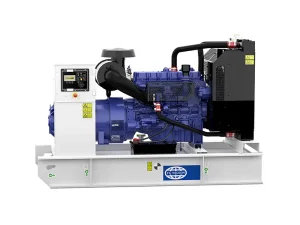
China Wilson Small Type Fuel Optimized Diesel Generator Set P175-2 Exporters
View Details & Engineering Specs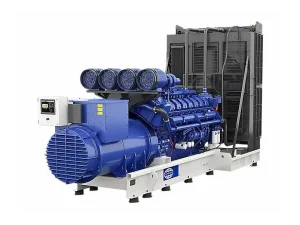
High-Quality Large Range >800 kVA FG Wilson Generator Power and Efficiency P2000-3
View Details & Engineering Specs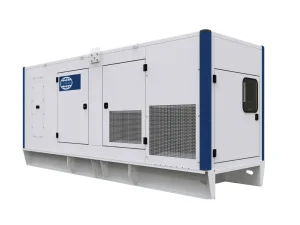
Cheap FG Wilson Generator Set, 225-938KVA, Low Noise Design Suitable for Urban Use P750-3
View Details & Engineering Specs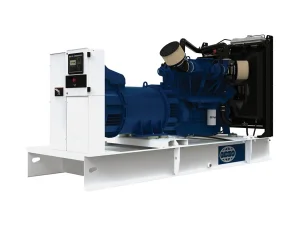
China FG Wilson High-Power Generator Set Medium Range 225-938KVA P660-3 Suppliers
View Details & Engineering Specs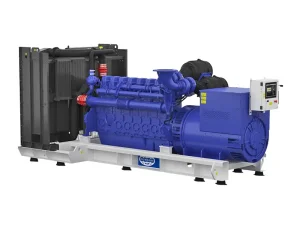
China FG Wilson High-Power Generator sets Large Range >800 kVA Scenarios P1375-1
View Details & Engineering Specs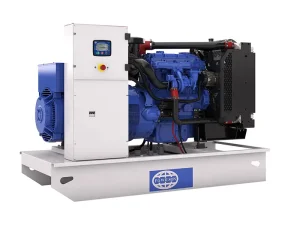
High-Quality Wilson Small Range <220 kVA High-Efficiency Power Generator P110-6
View Details & Engineering Specs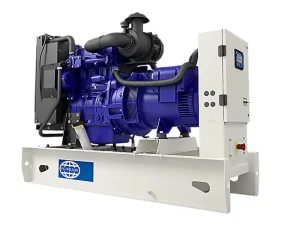
High-Quality FG Wilson Low Noise Energy Solution Generator Sets P11-6S Suppliers
View Details & Engineering Specs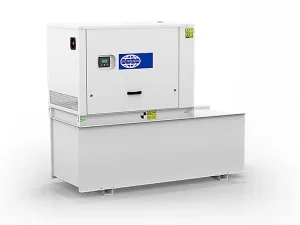
China Wilson Open Type Small Diesel Generator Sets 400/230 V Standby 9.5kVA P9.5-1
View Details & Engineering SpecsNeed Custom Sizing or Project-Specific Blueprints?
Our Beijing-based application engineers review single-line diagrams, ambient derating constraints, and noise profile targets to provide direct technical specifications and quotations within 24 hours.