
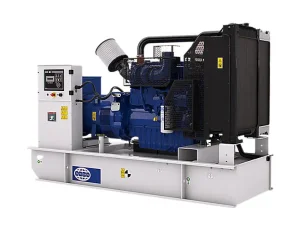
Heavy Duty Utility
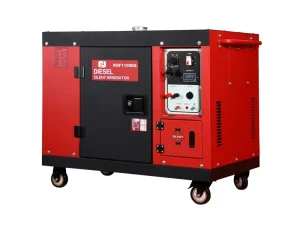
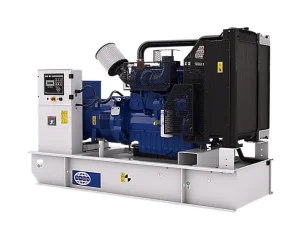
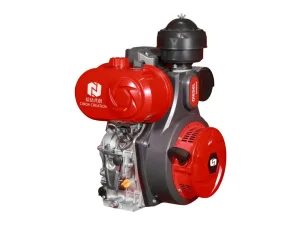
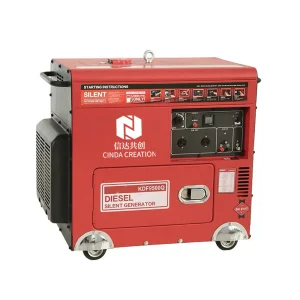
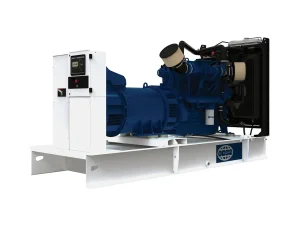
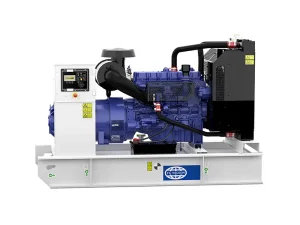
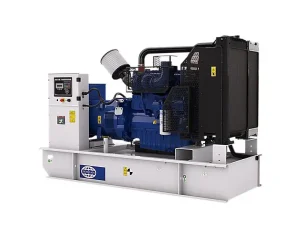
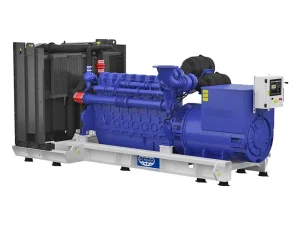
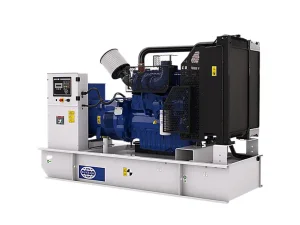
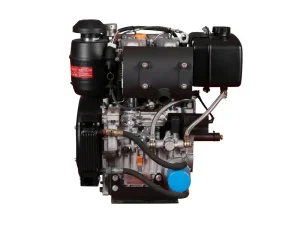
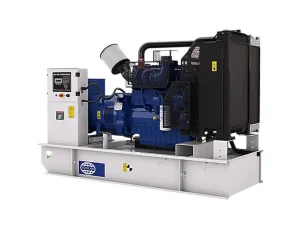
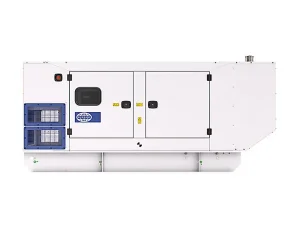
Explore our export-ready inventory ranging from multi-fuel portable generators and silent diesel canopy units to industrial open-frame configurations.
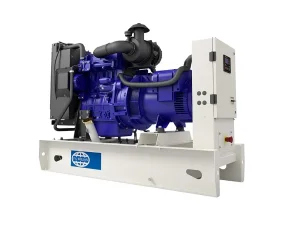
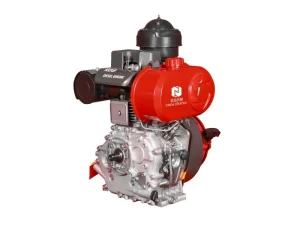
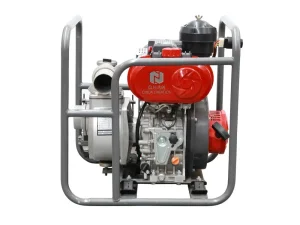
In modern critical infrastructure, dependency on a single fuel vector represents a severe single point of failure (SPOF). High-quality tri-fuel portable generators integrate specialized carburetion, electronic fuel injection (EFI), and micro-step multi-port regulators to accommodate diverse fuel densities seamlessly.
Unlike secondary aftermarket conversions that induce engine knock and unstable frequency, factory-integrated tri-fuel generators utilize balanced low-pressure demand regulators. The system dynamically matches air-to-fuel ratios (AFR) when toggling between high-BTU gasoline, medium-pressure LPG tanks, and utility natural gas (NG).
Precision brushless alternators paired with digital Automatic Voltage Regulators (AVR) ensure Total Harmonic Distortion (THD) remains below 3% under linear loads. This pristine sine-wave current matches the operational requirements of modern laboratory systems, telecommunication arrays, and sensitive computer gear.
Engineered with cast-iron cylinder liners, specialized valve seating alloys resistant to dry fuel wear (LPG/NG lacks liquid lubrication properties), and high-flow oil coolers. Our units guarantee continuous duty in high ambient desert heat (+50°C) and rapid cold-cranking below -25°C.
Provides 100% rated peak output due to high energy density (44 MJ/kg). Ideal for rapid mobilization and temporary maximum-surge electrical motor startup.
Delivers approx. 88-92% of peak output. Infinite shelf life without varnish formation; cleaner exhaust emissions, and zero gumming in carburetors over long storage cycles.
Delivers approx. 78-84% of peak output. Direct hookup to residential or commercial municipal gas lines provides endless runtime during sustained, multi-week grid interruptions.
China has established unmatched industrial clustering for power generation hardware. As an established Beijing-based power equipment exporter, Cinda Creation leverages complete component integration to deliver superior value.
From advanced stator stamping, silicon steel winding, and CNC engine crankcase milling to die-cast modular canopies, Chinese manufacturing eliminates multi-tier outsourced margins, providing world-class cost-to-performance metrics.
Every generator unit undergoes computerized dynamic load banking: 0%, 25%, 50%, 75%, 100%, and 110% overload conditions. Harmonic distortions, acoustic decibels, and dual/tri-fuel pressure tolerances are verified prior to packing.
Export configurations meet demanding international standards: EPA Phase III and CARB (North America), CE Machinery Directives (Europe), Euro V emissions, and ISO 9001/14001/45001 production protocols.
Tailor your fleet with customer-branded control panels, parallel synchronization kits, custom digital hour meters, ATS multi-pin sockets, heavy-duty puncture-proof wheel carts, and specialized spark arrestors.
Verified production milestones backing our global delivery network across North America, Europe, Australia, and the Middle East.
From disaster response logistics to off-grid industrial telemetry, portable multi-fuel power guarantees continuity when single-source fuel supplies collapse.
Disaster relief agencies utilize tri-fuel generators during hurricanes or earthquakes. When gas station pumps lack electricity to pump gasoline, teams switch to existing propane cylinders or municipal natural gas lines to maintain ventilators, blood refrigeration, and surgical lighting.
Off-grid repeater stations require uninterrupted runtime. Tri-fuel portable gensets, tied into remote natural gas lines, provide continuous backup without the need for weekly refueling dispatch trucks, cutting operational dispatch overhead by up to 70%.
Proven across demanding industrial tasks such as the 2,400 km China-Myanmar crude oil pipeline. Our units endure rough terrain, variable line fuel pressures, and extended operational shifts with minimal preventative maintenance.
The global standby equipment industry is experiencing a profound transition toward hybridized alternative-fuel topologies.
With aggressive tightening of volatile organic compound (VOC) and carbon emission caps globally, natural gas and LPG combustion generates up to 30% fewer greenhouse emissions and almost zero particulate soot compared to conventional heavy diesel engines.
Modern commercial procurement prioritizes generators featuring digital CAN-bus, Bluetooth/Wi-Fi monitoring, and direct inverter micro-controllers. Technicians track real-time fuel burn rate, cylinder head temperatures, and oil viscosity degradation from centralized smartphones.
Our R&D engineering units are actively bench-testing enriched hydrogen/natural gas blends (HCNG) alongside processed agricultural biogas, ensuring your inventory procurement remains future-proof against impending 2030 clean fuel mandates.
Broaden your electrical distribution systems with our commercial-scale generator sets, open-frame power plants, and fuel-optimized power modules.
Comprehensive engineering clarifications addressing customs compliance, fuel pressure inputs, wattage sizing, and operational lifecycle.