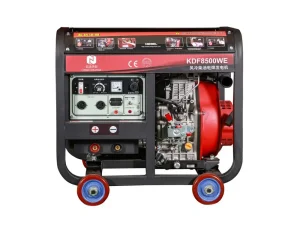
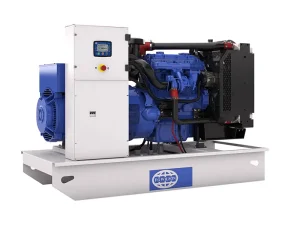
KSA Field Pipeline Electric Welding High-Performance Generator KDF8500WE
Inspect Specifications
Pre-engineered, factory-tested FG Wilson and industrial-grade diesel generator packages configured for 380V/220V and 400V/230V at 60Hz and 50Hz operations in the Gulf Cooperation Council (GCC) environment.
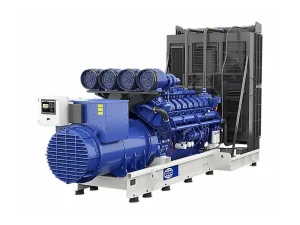
Large-scale energy resiliency is the fundamental pillar supporting global infrastructure expansions, digital transformation, and industrial modernization.
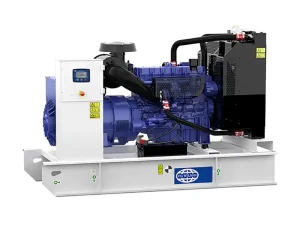
Worldwide supply chains are navigating a double challenge: expanding baseline power capacity for megawatt-scale processing while integrating transitional fuels. Large Range diesel generator sets exceeding 800 kVA remain non-negotiable critical assets, functioning as resilient prime power generation in off-grid frontiers and rapid-response emergency standby for mission-critical hyperscale computing centers and international transport hubs.
Global lead times for high-output power generation equipment have expanded significantly due to constrained availability of forged crankshafts, advanced turbochargers, and heavy electronic control units. EPC contractors require seasoned export suppliers capable of factory-direct validation, modular parallel synchronization, and swift logistical delivery into primary maritime hubs such as Jeddah Islamic Port and King Abdulaziz Port in Dammam.
Modern >800 kVA systems rely on high-displacement V-configuration engines (e.g., Perkins 4000 Series, Weichai Heavy Range) engineered with electronic unit injectors (EUI), high-pressure common rail technology, and dual-stage charge air cooling. These architectures deliver immediate Step Load Acceptance adhering strictly to ISO 8528-5 Class G3 transient load requirements without frequency collapse.
The Kingdom of Saudi Arabia (KSA) is undergoing the most ambitious industrial transformation of the 21st century under Vision 2030, presenting extraordinary operating parameters for power engineering.
Projects like NEOM, the Red Sea Project, Qiddiya, and Diriyah require gigawatt-scale continuous power years before permanent national grid connectivity can be stabilized. Contractors cannot tolerate standard commercial-grade generator sets. In remote sectors of the Rub' al Khali or coastal desert developments, power sets above 800 kVA operate as the primary utility backbone running 24 hours a day, 7 days a week, demanding relentless continuous (COP) and prime (PRP) reliability ratings.
Ambient temperatures in Riyadh, the Eastern Province, and desert interiors regularly reach 50°C to 55°C during summer months. In standard generators, such intense thermal load creates severe derating penalties (often up to 25–35% of nameplate rating). Cinda Creation specifies oversized, heavy-duty 55°C tropical radiators, high-volume mechanical fans, and air-to-air charge coolers that mitigate thermal derating, ensuring that an 800 kVA or 1500 kVA generator delivers its full continuous capacity in real desert operation.
Airborne silica dust (Shamals) with grain sizes under 5 microns presents severe risks of cylinder liner abrasion, valve seat erosion, and radiator core clogging. Our Saudi-bound packages integrate heavy-duty centrifugal multi-stage cyclone pre-cleaners, dual-element air filtration, and specialized desert louvers designed to prevent sand ingress into acoustic canopies and generator alternator windings.
The Saudi Electricity Company (SEC) enforces stringent grid-code interconnection rules, 60Hz frequency standards (with specific legacy 50Hz requirements in private oil sectors), and dual distribution voltages (380V/220V and 400V/230V). Our >800 kVA systems feature digital controllers configurable for multi-voltage operation, 100% copper busbars with anti-vibration mountings, and specialized neutral-grounding setups compatible with Aramco 9-COM engineering expectations.
Comprehensive engineering performance indicators comparing baseline industrial configurations against Cinda Creation's specialized KSA Desert Heavy-Duty Package.
| Engineering Parameter | Standard European/Asian Model | Cinda Creation KSA Desert Package (>800 kVA) | Significance to Saudi Buyers |
|---|---|---|---|
| Radiator Design Temperature | 40°C Ambient Limit | 50°C – 55°C Tropical Radiator | Prevents high-temperature alarm trips and shut-downs during summer midday heat. |
| Air Filtration Technology | Standard Paper Pleat Filters | Heavy-Duty Cyclone Dust Separators + Dual Dry Core | Protects internal combustion chambers from catastrophic silica scoring during sandstorms. |
| Alternator Insulation & Protection | Class H, Standard Varnish, IP23 | Class H, Harsh Environment Varnish (Tropicalized), IP23/IP44 | Guarantees resistance against coastal salt fog in Jeddah/Dammam and fine conductive dust. |
| Step Load Performance (ISO 8528) | Class G2 (Basic Commercial) | Class G3 (Transient Sensitive: Data Centers / Hospitals) | Recovers frequency and voltage in <1.5 seconds during 60%+ sudden block loads. |
| Fuel Conditioning System | Primary Fuel Filter Only | Multi-Stage Water Separator + Heated Sediment Bowl | Protects delicate common-rail injectors from condensation, asphaltite deposits, and fuel contamination. |
| Digital Synchronization Module | Manual Transfer / Single Island | Deep Sea / ComAp Paralleling Controller (N+1 Ready) | Allows seamless multi-megawatt bus synchronizing for 5MW to 20MW modular power plants. |
From petrochemical refineries on the Gulf coast to the futuristic smart city corridors of Tabuk, our large-range power plants deliver uncompromising uptime.
Gigantic linear developments and ultra-luxury hospitality destinations demand zero-downtime microgrid foundations. Multiple synchronized 1000 kVA to 2000 kVA soundproof generator arrays provide prime utility power for camps, concrete batching facilities, underground tunneling operations, and initial desalination units without public grid reliance.
Refining complexes in Jubail, Yanbu, and Ras Tanura enforce stringent safety envelopes. Our open-frame and customized containerized >800 kVA units are integrated with spark arrestors, emergency air intake shut-off valves (Chalwyn valves), and gas-leak interlock safety triggers for continuous emergency standby in Class I, Zone 2 hazard-adjacent areas.
Water security is existential in Saudi Arabia. Large reverse osmosis facilities rely on massive electric high-pressure pumps. When grid anomalies hit, our 1250 kVA to 2500 kVA sets start within 10 seconds and shoulder instantaneous motor-starting inrush currents without tripping sensitive high-frequency variable speed drives (VFDs).
With Riyadh and Dammam positioning themselves as regional cloud computing hubs for global hyperscalers, data centers require Continuous Power (DCC ratings). FG Wilson and Perkins-powered large units provide fault-tolerant generation equipped with redundant fuel delivery, dual starting batteries, and millisecond ATS switching.
Remote mineral extraction sites in the Northern Borders and Wa'ad Al Shamal involve rugged operating environments. Our containerized ISO 20ft and 40ft soundproof packages withstand extreme vibration, heavy dust, and wide diurnal temperature swings, providing primary power for crushing lines and processing plants.
King Salman International Airport and massive medical complexes in Riyadh demand Life Safety emergency power compliance. >800 kVA generators feature hospital-grade silencers (attenuation up to 35 dBA), low electromagnetic radiation footprints, and automated load banks that protect engines from low-load "wet stacking."
Supplying power equipment into the Kingdom requires total mastery over local trade laws, import clearances, and technical safety certifications.
Every generator set exported to Saudi Arabia must clear SABER electronic platform compliance. Our machinery equipment complies strictly with the Saudi Standards, Metrology and Quality Organization (SASO) Technical Regulations for Machinery and Electrical Safety. Pre-shipment certificates of conformity (PCoC and SCoC) are comprehensively verified prior to dispatch, eliminating clearance delays at Saudi customs.
Beijing Xinda Creation operates under stringent, audited management frameworks including ISO 9001 (Quality Management), ISO 14001 (Environmental Stewardship), and ISO 45001 (Occupational Health and Safety). Each machine is subjected to a mandatory 2-hour full-load validation test protocol (spanning 25%, 50%, 75%, 100%, and 110% overload) with full data logging before crating.
Large engines rely on immaculate filtration. We guarantee direct global express dispatch of original Perkins maintenance kits, injector assemblies, turbocharger rebuild components, and Deep Sea controller boards. Our response window commits to a 24-hour engineering diagnostic review for any technical query submitted by KSA field engineers.
In accordance with the Saudi Green Initiative (SGI), the power generation sector is undergoing systematic decarbonization, hybrid integration, and smart telemetry upgrades.
To align with global ESG targets, our >800 kVA fuel injection architectures are 100% compatible with Hydrotreated Vegetable Oil (HVO) and low-carbon synthetic diesels without reducing engine output or requiring component modifications. This reduces net greenhouse gas emissions by up to 90% in critical infrastructure applications.
Large-scale solar installations across Saudi Arabia produce massive daytime energy surpluses. Our generators feature next-generation ComAp and Deep Sea smart controllers capable of instantaneous spinning reserve mode, seamlessly firing up to bridge cloud-cover transients and evening discharge cycles alongside Battery Energy Storage Systems (BESS).
Operating generators in harsh desert locations requires automated intelligence. Embedded telemetry hardware transmits real-time oil viscosities, exhaust gas temperatures across all individual cylinders, vibration metrics, and intake depression levels via satellite/4G to engineering dashboards, predicting wear long before catastrophic failures occur.
Browse our extensive portfolio of medium-range, small-range, and specialized continuous generator models deployed across Saudi infrastructure sites.
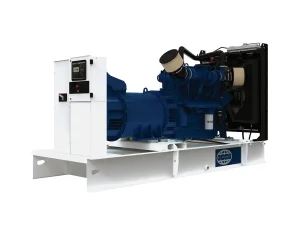
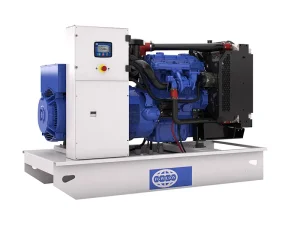
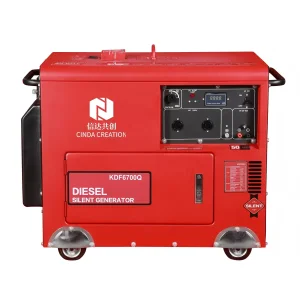
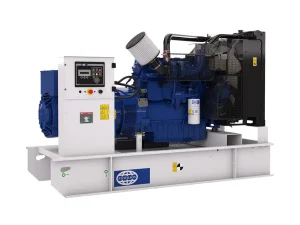
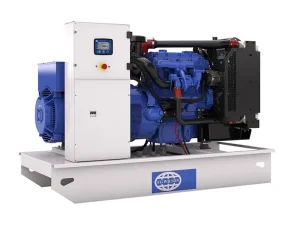
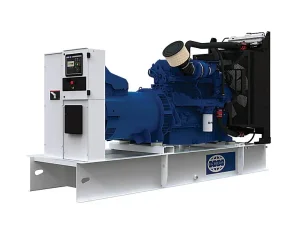
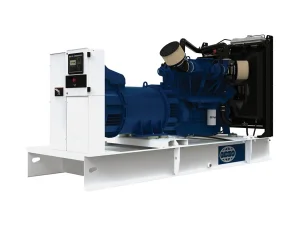
In-depth responses compiled by senior mechanical and electrical engineers addressing procurement, installation, and operating hurdles in high-ambient environments.
Consult with our engineering directors to calculate your precise high-ambient derating factors, configure multi-megawatt synchronizing schemes, and secure SASO-compliant generator sets delivered directly to your project location.