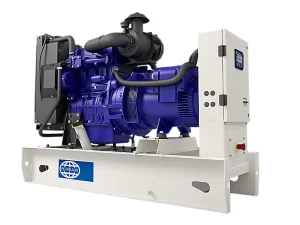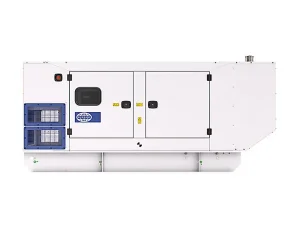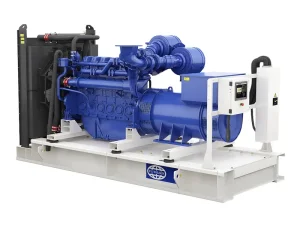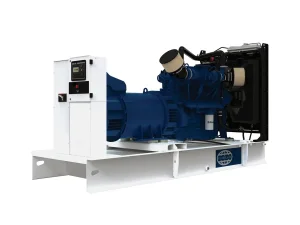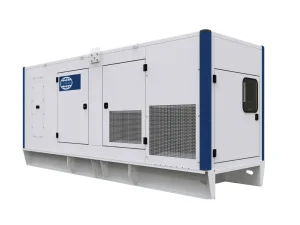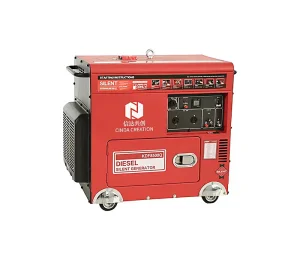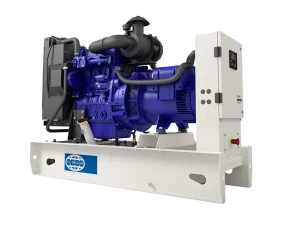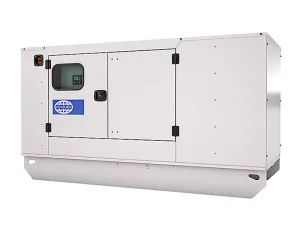
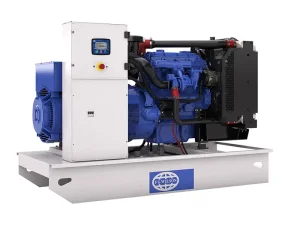
China Wilson Small Range <220 KVA High-Efficiency Power Generator P65-5 (Nigeria Industrial Grade)
Inquire Model P65-5
Engineered for extreme high-temperature operational corridors across West Africa. Factory inspected, load-bank verified, and configured with heavy-duty air filtration and single-side routine maintenance accessibility.
Evaluating grid reliability deficits, captive generation economics, fuel efficiency benchmarks, and structural demands for open frame gensets across Nigeria’s dynamic markets.
In Nigeria, power generation is not merely an auxiliary contingency—it serves as the structural foundation of daily commercial continuity and manufacturing productivity. The Transmission Company of Nigeria (TCN) and national grid infrastructure frequently deliver an average wheeling capacity hovering between 3,500 MW and 5,000 MW, for a nation exceeding 220 million people with an estimated baseline demand surpassing 30,000 MW. Consequently, commercial operations in key manufacturing hubs such as the Ikeja Industrial Estate, Agbara Industrial Zone, Kano, Port Harcourt, and Aba rely on decentralized, internal power plants as their primary energy supply.
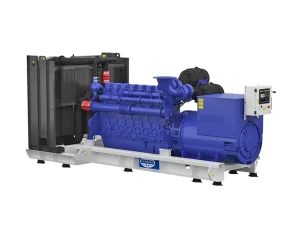
Within dedicated indoor powerhouses, basement substations, and purpose-built factory generator halls, open frame generator sets are overwhelmingly favored over acoustic canopied models. The structural elimination of an external soundproof enclosure yields superior convective cooling, unrestricted airflow across high-capacity tropical radiators, instantaneous access to fuel injection pumps, oil filtration systems, and alternators, while drastically reducing capital procurement overhead per delivered kVA.
West African climates routinely subject generator sets to ambient temperatures between 38°C and 45°C coupled with high relative humidity or dust-laden Harmattan conditions. Open frame setups maximize radiator face exposure and eliminate internal thermal entrapment.
With volatile Automotive Gas Oil (AGO) prices in Nigeria following subsidy rationalization, fuel consumption metrics dictate operational viability. Our open frame units utilize direct-injection fuel systems and Perkins/Weichai engineering to squeeze maximum kWh per liter.
Minimizing mean time to repair (MTTR) is vital in continuous prime installations. The open frame configuration enables maintenance crews to execute 250/500-hour oil, fuel, and air filter replacements swiftly without disassembling housing panels.
Navigating the transition toward smart hybridization, ISO-standardized quality control, and turn-key microgrid synchronization.
Globally, industrial microgrids are transitioning from reactive emergency standby units to active, dispatchable prime power generation. Across developing manufacturing economies, grid instability has positioned open frame diesel gensets as continuous base-load assets. Integrating intelligent Deep Sea Electronics (DSE) or ComAp digital controllers allows our open generator systems to synchronize seamlessly with commercial solar photovoltaic arrays and battery energy storage systems (BESS), forming hybridized power blocks that trim fuel usage by up to 35% during peak insolation periods.
For engineering, procurement, and construction (EPC) contractors in Nigeria, our Beijing testing facility guarantees complete compliance with ISO 8528 (reciprocating internal combustion engine driven alternating current generating sets), ISO 9001 quality controls, and ISO 14001 environmental frameworks. Units undergo 0%, 25%, 50%, 75%, 100%, and 110% overload load-bank steps prior to containerization.
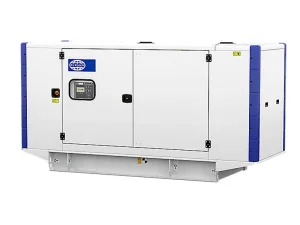
High-rise complexes, corporate towers in Victoria Island, and shopping malls in Abuja utilize heavy-duty open frame units placed within isolated acoustic basement rooms with master ducted ventilation.
Milling installations, cassava processing plants in Ogun State, and perishable storage hubs in the north depend on continuous 24-hour prime ratings to prevent devastating production halts.
Crushers, quarries, bitumen refineries, and manufacturing assembly plants around Port Harcourt and Calabar demand high inrush capacity and heavy load-step acceptance for inductive motor starts.
Progressive milestones driving efficiency, automated diagnostics, telemetry, and alternative fuel adaptations for Nigerian fleets.
Integration of GSM/satellite sensors monitoring real-time specific fuel consumption (SFC), fuel theft alerts, and remote load balancing tailored for dispersed Nigerian facilities.
Deployment of aftermarket and factory-fitted Compressed Natural Gas (CNG) fumigation kits, allowing Nigerian operators to offset diesel costs by up to 50% using local gas reserves.
Standardized digital bus interfaces enabling plug-and-play communication between open frame gensets, rooftop PV inverters, and battery banks without third-party PLCs.
Engine fuel system optimizations designed to run 100% on Hydrotreated Vegetable Oil (HVO) and processed palm oil biodiesels, lowering carbon compliance penalties.
In-depth answers addressing logistics, port clearance, tropicalization, duty sizing, and maintenance assurance.
Consult with our power system specialists for customized technical configurations and rapid freight quotations.
Explore our full line of small, medium, and heavy-duty prime power units built on robust open frames and silent configurations.