
High-Efficiency Generator & Welder Power Sets Serving Osaka
Configured specifically to balance stable auxiliary output with smooth welding current profiles required across the Osaka Bay industrial cluster.
Industrial Transformation in Osaka: Demands for Reliable Field Power
Analyzing operating environments across Sakai-Senboku, Osaka Bay developments, and regional seismic-resilient infrastructure renewal projects.
Hanshin & Osaka Coastal Industrial Modernization
The Sakai-Senboku coastal industrial zone requires heavy structural welding power capable of continuous heavy stick (SMAW), TIG, and automated flux-cored arc welding. When operations are off-grid or dockside, fluctuations in auxiliary current cause weld defects. Our sets integrate permanent-magnet digital stabilization to guarantee clean arc characteristics while running auxiliary saws and blowers simultaneously.
Disaster Resilience (BCP) & Island Reclamations
Osaka’s strategic business continuity planning (BCP) guidelines emphasize power equipment that acts both as an emergency three-phase backup system and an instantaneous structural repair station following seismic disruptions. Rapid restoration of lifelines across Yumeshima and Nanko requires diesel-driven mobile welding units that tolerate fluctuating humidity and extreme duty cycles.
Stringent Kansai Sound & Emission Compliance
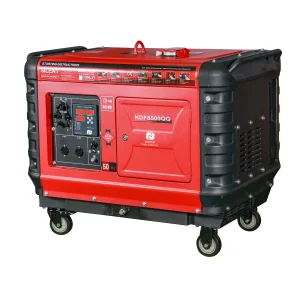
Inner-city metropolitan development projects around Umeda and Namba require strict adherence to Japanese low-noise construction machinery standards. Our soundproof canopied welding gensets deploy dual-chamber acoustic baffles, vibration-damped sub-bases, and optimized Tier-compliant engines that curb decibel levels to below 68 dB(A) at 7 meters without suffocating heat rejection.
China Industry 4.0: Precision Manufacturing Built for Osaka’s Standards
Bridging tier-one supply chain cost advantages with uncompromising, audited Japanese manufacturing compliance.
Automated Fabrication & Quality Rigor
- Laser CNC Sheet Metal Enclosures: Fully automated structural folding and precision laser profiling eliminate dimensional tolerance mismatch, maximizing sound-insulation sealing and salt-spray resistance.
- Robotic Alternator Winding & Vacuum Pressure Impregnation (VPI): Prevents internal insulation breakdown under harsh high-amperage welding cycles common in Osaka port operations.
- Dynamic Load Bank Testing: Every exported genset undergoes a comprehensive 4-stage load-step test covering 25%, 50%, 75%, and 110% overload conditions alongside simultaneous welding arc strikes.
Agile Engineering for Overseas Engineering Contractors
- 60Hz/50Hz Dual Frequency Switching: Tailored specifically for western Japan’s 60Hz utility grid requirement (Osaka/Kansai) while maintaining international cross-project redeployment capabilities.
- Direct Marine Export Lanes: Seamless maritime shipping from coastal assembly plants directly to the Port of Osaka and Kobe Port, reducing logistics transit schedules and supply bottlenecks.
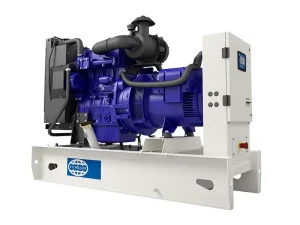
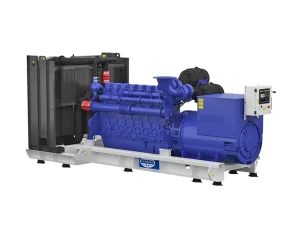
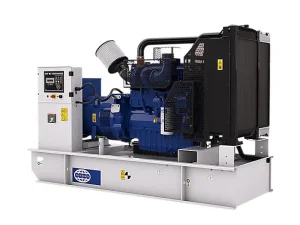
- Complete Lifecycle Spares Integration: Standardized on proven engine architectures (FG Wilson / Weichai / Perkins variants), ensuring local Japanese MRO teams secure maintenance consumables instantly.
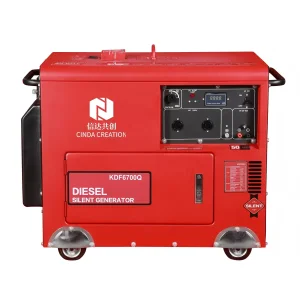
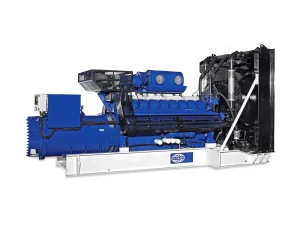
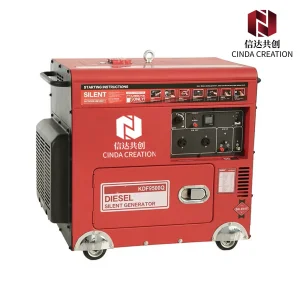
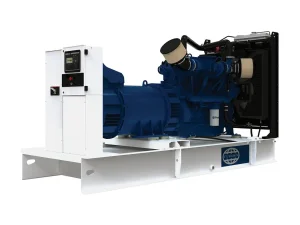
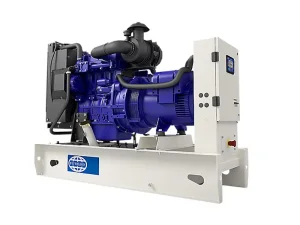
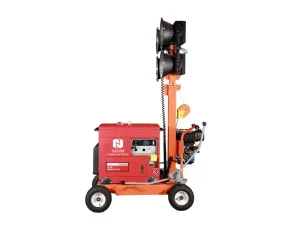
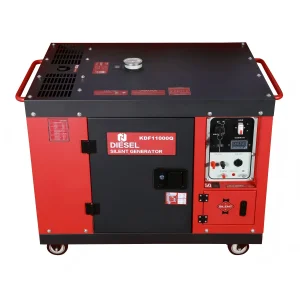
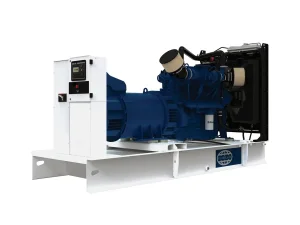
Industrial Generators & Field Workstations Serving Osaka
All units engineered under ISO 9001, ISO 14001, and ISO 45001 standards, ready for immediate sea shipment to Osaka Port terminal facilities.
Engineering Questions: Sizing & Exporting to Osaka
Clear, technical breakdowns answering structural and electrical integration questions encountered by Japanese engineering purchasers.
How does Osaka’s regional power frequency (60Hz) impact generator and welding set procurement? ▼
Unlike eastern Japan (Tokyo/Tohoku) which runs on 50Hz, Osaka and the entire Kansai region operate on 60Hz. Procuring welding generator sets requires engines calibrated for 1800 RPM instead of 1500 RPM to yield proper synchronization, optimal cooling airflow, and rated electrical output without alternator derating. All Cinda Creation units configured for Osaka are factory-tuned and tested at 60Hz 200V/220V/440V standards to match local industrial equipment specifications.
Can these welding generator sets run sensitive inverter welders while supplying site power? ▼
Yes. Low-cost generator sets often experience massive voltage dips and harmonic distortion when a welding arc strikes, triggering fault codes on sophisticated inverter welding machines (e.g., Daihen or Panasonic welding systems widely used in Osaka). Our units utilize alternators equipped with advanced Automatic Voltage Regulators (AVR) with Total Harmonic Distortion (THD) managed under 5%, providing wave-purity comparable to utility grid standards while shielding connected lighting and microcontrollers.
What anti-corrosion protection is provided for Osaka Bay maritime environments? ▼
Units deployed across Osaka Port, Sakai docks, and artificial islands like Yumeshima are exposed to marine humidity, salt fog, and chemical aerosols. Our enclosures receive a high-durability electrophoresis immersion pre-treatment followed by thick electrostatic pure polyester powder coating baked at 200°C. Alternator windings include Class H tropicalized insulation with anti-saline varnish to prevent internal surface tracking and galvanic corrosion.
What are the lead times and documentation provided for port clearance in Osaka? ▼
Standard export orders are dispatched within 15 to 25 business days from our facilities. Shipments bound for the Port of Osaka include complete Japanese Customs compliance dossiers: detailed bill of lading, commercial invoices, packing lists, Certificate of Origin (under RCEP for preferential tariff rates), factory load-bank test verification records, and factory ISO certification declarations.
Request Engineering Consultation for Osaka Operations
Whether upgrading mobile welding equipment for port construction or provisioning plant standby fleets in Kansai, our bilingual application engineers will provide certified technical data and fast quotation terms.
Send Inquiry Now