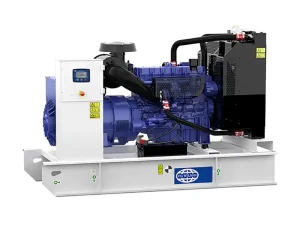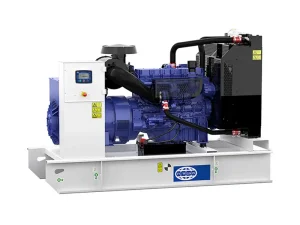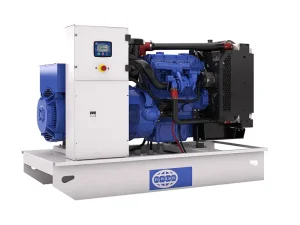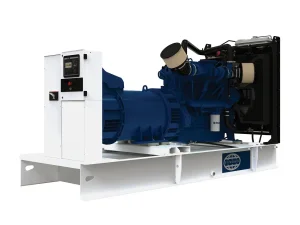
Primary Heavy-Duty & Specialized Genset Systems
Explore our premium configurations tailored for uninterrupted commercial and utility backup operations.
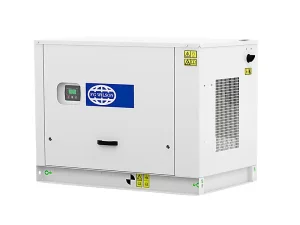
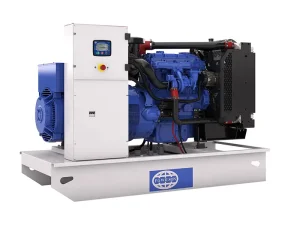
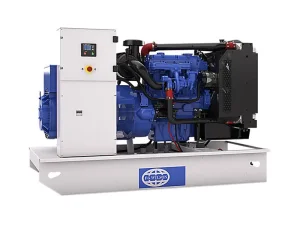
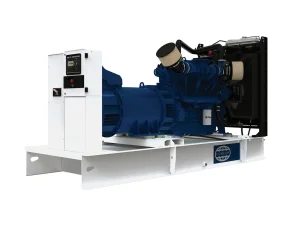
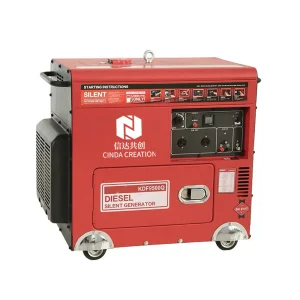
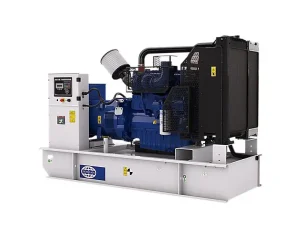
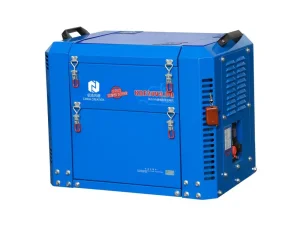
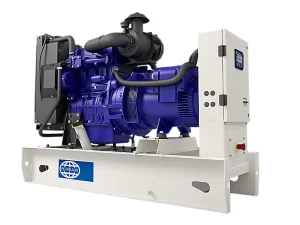
Enterprise Capacity & Engineering Metrics
Demonstrating verifiable industrial parameters across international projects and multi-megawatt installations.
China Factory Supply Chain Strategic Advantages
How our centralized Beijing production engineering and localized supply cluster creates uncompromised total value of ownership.
Tier-1 Powertrain Alliances
Direct supply agreements with leading engine manufacturers including Perkins, Weichai, and Cummins ensure authentic prime components, zero grey-market parts, and priority casting allocation for rapid production turnarounds.
Modular Structural Engineering
Laser CNC sheet-metal manufacturing, multi-stage robotic electrostatic powder coating, and precision acoustic baffling allow customized enclosure development suited for extreme corrosion, salt spray, and extreme heat profiles.
Direct Freight & Port Access
Strategically headquartered in Tongzhou District, Beijing, our operations integrate smoothly with Tianjin Port logistics corridors, providing optimized containerized freight forwarding (20GP, 40HQ, Open Top, and Flat Rack) worldwide.
Emerging Trends in Industrial Power Engineering
Navigating environmental transitions, hybrid microgrids, and digital fleet telemetry.
BESS Microgrid Integration
Modern biggest generator installations are transitioning from isolated emergency units to hybrid microgrid backbones. When combined with Battery Energy Storage Systems (BESS), our gensets deliver rapid peak shaving, transient frequency support, and reduce diesel run-hours up to 40%.
HVO & Biodiesel Compatibility
ESG decarbonization frameworks require non-fossil alternative fuels. Our diesel engines and Perkins configurations support 100% Hydrotreated Vegetable Oil (HVO) and verified biodiesel blends according to EN 15940 standards, reducing net lifecycle carbon dioxide emissions by up to 90%.
AIoT Predictive Fleet Telemetry
Integrated DeepSea, ComAp, and FG Wilson control modules feed edge-computing IoT modems. Real-time bearing vibration, lube oil temperature degradation, winding partial discharge, and fuel consumption trends are monitored to detect anomalies before critical load drops occur.
Global Enterprise Procurement & Operational Blueprints
Comprehensive engineering criteria for high-stakes megawatt generation selection.
Defining the "Biggest Generator" Scope: Prime vs. Standby vs. Continuous Power (COP)
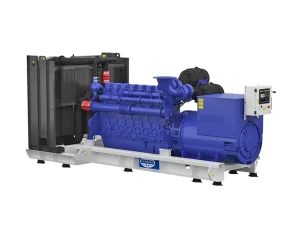
In international power engineering, sourcing the biggest generator is fundamentally tied to international standards defined by ISO 8528-1:2018. Sizing errors are common when procurement officers conflate Emergency Standby Power (ESP), Prime Power (PRP), and Continuous Operating Power (COP). Standby systems (such as the FG Wilson P1375-1 or P938-1) provide peak performance during grid outages with variable load profiles not exceeding an average 70% load factor over a 24-hour cycle. When specified for prime mining or remote operations without utility access, units require power derating calculations to ensure mechanical longevity.
Cinda Creation provides application-led engineering reviews before quotations are finalized. Our engineers model harmonic distortion, starting transient kVA, step-load acceptance (ISO 8528-5 Class G2 and G3 criteria), and motor locked-rotor currents (LRA) to prevent alternator saturation and voltage dips during high inrush events.
Localization, Regulatory Compliance, and Grid Certification
Operating megawatt-range equipment requires compliance with localized electrical codes and environmental ordinances. In the European Union, stationary standby units must comply with the Medium Combustion Plant Directive (MCPD) or Tier 4 Final/Stage V particulate requirements for mobile prime units. In the Middle East and African markets, generators face severe atmospheric challenges including ambient temperatures exceeding 50°C and heavy particulate concentrations (desert sand ingress).
We configure bespoke high-ambient cooling radiators featuring enlarged frontal areas, low-noise acoustic enclosures treated with C5-M marine-grade anti-corrosive paint, and multi-stage cyclonic heavy-duty air filtration. Every unit leaving our facility adheres to strict ISO 9001 quality frameworks, ISO 14001 environmental management, and ISO 45001 safety guidelines.
Real-World Industrial Deployment Frameworks
Our power systems are installed across mission-critical environments. Key projects include:
Energy Infrastructure: On the 2,400-kilometer China–Myanmar crude oil pipeline corridor, our equipment fleet comprising 17 natural gas units and 5 heavy diesel sets supplies continuous motive and pumping power across varied terrain and remote checkpoints.
Sub-Zero Critical Operations: Operating under Arctic sub-zero conditions (-40°C) requires specialized low-temperature block heaters, automated lube-oil circulation loops, cold-cranking battery arrays, and insulated acoustic louvers to ensure black-start reliability within 10 seconds of grid drop.
Aviation and Healthcare Facilities: From airport terminals in East Africa to critical municipal hospitals, our sound-attenuated units maintain noise ratings down to 65 dBA @ 7m, coupled with paralleling switchgear capable of synchronizing multiple megawatt sets on a common bus bar.
Frequently Asked Questions (FAQ)
Detailed technical responses addressing engineering specifications, paralleling capabilities, and long-term warranties.
High-Performance Secondary Fleet & Specialized Assemblies
Explore heavy-range, open-type, and dedicated high-output power units manufactured for global distribution.