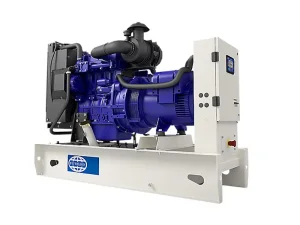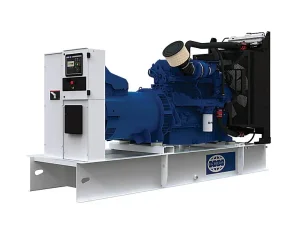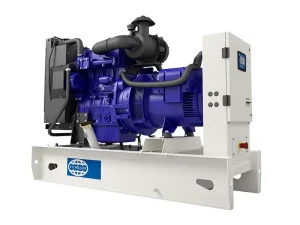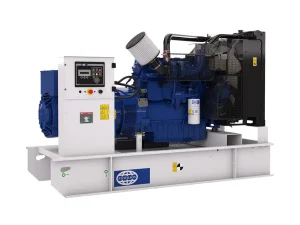
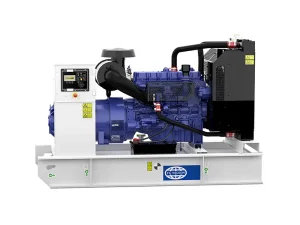
P175-2 Range
Fuel Optimized
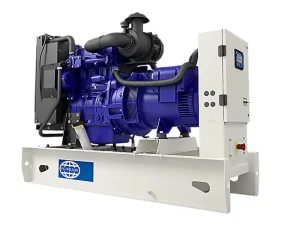
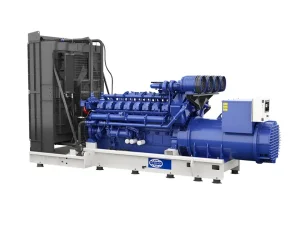
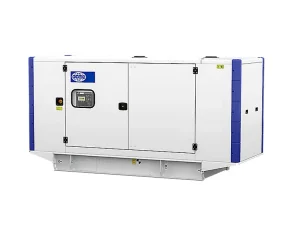
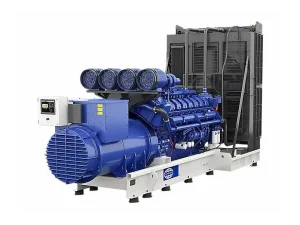
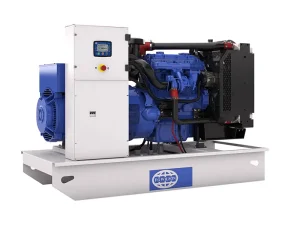
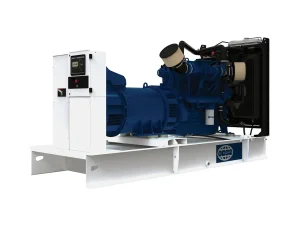
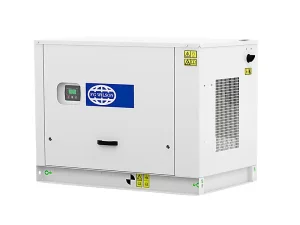
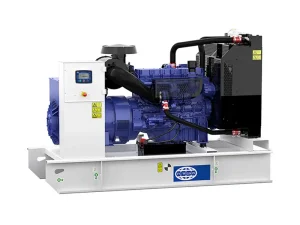
China Wilson Small Type Fuel Optimized Diesel Generator Set P175-2 Exporters, Exporter
Configure & Inquire
Explore our certified standby and prime power generator units configured for rigorous commercial, medical, industrial, and utility infrastructure applications across global voltage frequencies.
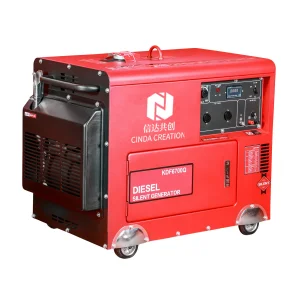
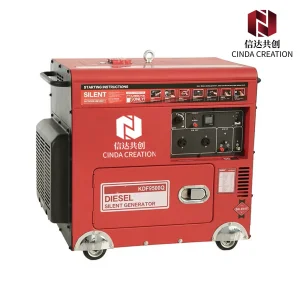
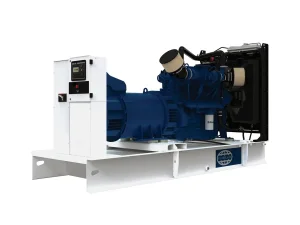
In the realm of global industrial power procurement, selecting a diesel generator goes far beyond standard nameplate kVA numbers. Sizing mandates rigorous mathematical evaluation of transient load profiles, step-load acceptance parameters, thermal dissipation boundaries, and international power deratings.
Governed by ISO 8528-1, ESP applies to utility outages where the genset functions as an emergency lifeline. Operating duration is limited to an annual average load factor of 70% with zero overload capability. Ideal for commercial real estate, municipal facilities, and regional cold-storage logistics.
Engineered for installations lacking a continuous public grid connection. PRP allows unlimited annual running hours under variable load profiles. Sustained overload capacity of 10% is certified for 1 hour within every 12-hour operational window, vital for heavy manufacturing plants and remote processing facilities.
Designated for base-load utility stabilization, remote mining, and continuous baseload operations. COP delivers 100% constant electrical loading with zero runtime limits. Sets engineered under this rating feature specialized high-capacity radiators, multi-stage filtration, and enhanced crankshaft balance.
| ISO 8528 Category | Permissible Annual Run-Time | Average Variable Load Factor | Overload Tolerance (1h / 12h) | Typical Industrial Duty Cycle |
|---|---|---|---|---|
| Emergency Standby (ESP) | Max 200 - 500 Hours/Year | ≤ 70% of Standby Rating | 0% (Strictly Prohibited) | Hospitals, Commercial Towers, Retail Hubs |
| Prime Power (PRP) | Unlimited Runtime Hours | ≤ 70% over 24-Hour Cycle | +10% Transient Surge Allowed | Construction Infrastructure, Industrial Sites |
| Continuous Base (COP) | Continuous 8,760 Hours/Year | 100% Constant Baseload | Continuous Baseline Limit | Island Microgrids, Mining Complexes, Pipelines |
| Data Center Continuous (DCC) | Unlimited (Grid Failure Base) | Up to 100% of Rating | Manufacturer Specific Margin | Tier III / Tier IV Mission-Critical Hyperscalers |
Operating from Beijing, Cinda Creation (Beijing Xinda Creation Machinery Equipment Co., Ltd.) leverages the world’s most advanced powertrain engineering and auxiliary component clusters. Through deep strategic alignment with Perkins, FG Wilson, and Weichai engine platforms, our manufacturing ecosystem provides unparalleled quality control, cost optimization, and rapid lead-time execution.
Modern generator assembly starts with laser-cut structural steel bases and precision robotic plasma welding. Base fuel tanks undergo multi-stage pressure decay leak detection and anti-corrosive chemical dipping. Enclosures utilize hot-dip galvanized steel sheet metal, coated with electrostatic polyester powder paint baked at 200°C, securing a certified 1,000-hour salt spray resistance rating under ASTM B117 standards.
Every generator set leaving our assembly line is subjected to computerized testing benches. Performance validation tracks step-load recovery, transient frequency stability (Δf < 1%), voltage regulation margins (±0.5%), and total harmonic distortion (THD < 3%). Load profiles test 0%, 25%, 50%, 75%, 100%, and a continuous 110% overload cycle before shipping documentation is signed.
Strategic B2B procurement professionals evaluate power equipment based on a holistic 10-year lifecycle model. Capital expenditure (CapEx) accounts for only 8% to 15% of total generator lifecycle expenditure; fuel economy, lubrication degradation, filter maintenance, and downtime risk comprise over 85% of operational expenditure (OpEx).
Brake Specific Fuel Consumption (BSFC) determines generator financial viability. Our fuel-optimized Wilson and Weichai configurations feature common-rail high-pressure electronic injection systems that atomize diesel at >1,800 bar, ensuring full volumetric combustion and dropping BSFC as low as 195 g/kWh at optimal 75% prime loading.
Continuous operation at <30% rated load triggers incomplete fuel burn, producing unburned carbon soot that coats turbocharger vanes and exhaust manifolds (known as "wet stacking"). Our application engineers specify integrated dummy load banks and programmable automatic exerciser controllers to safeguard engine thermodynamics.
Utilizing high-tensile nodular cast iron cylinder blocks, induction-hardened crankshaft fillets, and specialized ceramic piston crown thermal coatings, our diesel engine platforms achieve a documented Mean Time Between Overhaul (MTBO) exceeding 25,000 operating hours under certified maintenance schedules.
Exporting to over 60 countries across Africa, Central Asia, Latin America, Southeast Asia, and the Middle East necessitates stringent conformity with localized electrical, environmental, and structural safety mandates.
Our operations comply with globally accredited quality, ecological, and occupational health systems. All fabrication, testing, and delivery workflows are certified under:
Meeting non-road diesel emission limits including EU Stage IIIA / Stage V equivalents and EPA Tier 3 / Tier 4 Final parameters. Sound attenuation enclosures comply with European Outdoor Noise Directive 2000/14/EC and EN ISO 3744 acoustic measurement certifications.
Equipped with world-class brushless synchronous alternators (Leroy Somer, Stamford, or equivalent) featuring Class H thermal insulation, 2/3 pitch winding geometry to quench 3rd harmonics, and IP23 moisture protection with optional anti-condensation space heaters.
From deep-sub-zero polar research stations to dust-choked desert pipeline networks, our engineered gensets deliver unyielding power when failure is not an option.
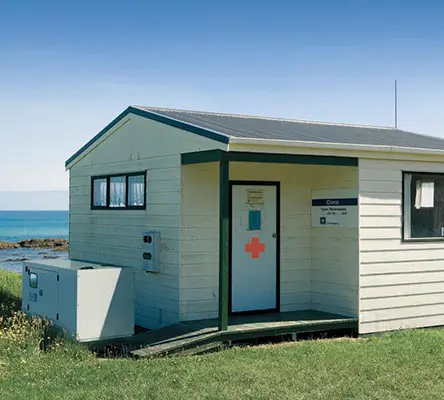
Deploying ultra-quiet silent canopies with automatic transfer switches (ATS). Instantaneous black-start guarantees life-support ventilators, neonatal incubators, and temperature-controlled pharmacy cold chains never experience an outage.
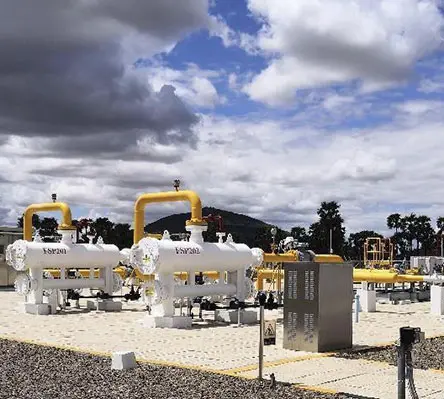
17 gas units and 5 heavy-duty diesel generator sets integrated across the China–Myanmar crude oil artery, ensuring continuous pumping pressure, SCADA monitoring, and emergency valve actuation across mountainous terrain.
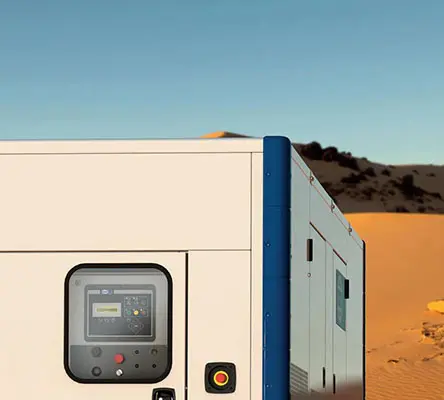
Custom-engineered oversized heat-exchange cores, sand-trap louvers, and dual-stage cyclone centrifugal air pre-cleaners allow mining and construction equipment to run 24/7 in blistering Saharan and Middle Eastern climates.
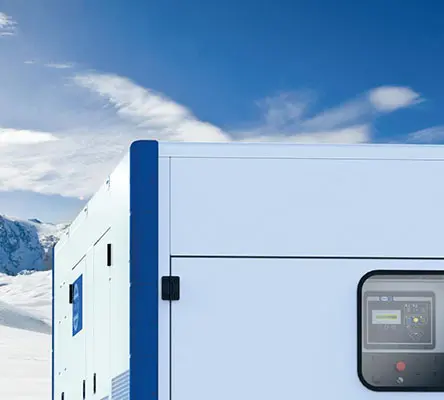
FG Wilson generator sets operating for over 20 continuous years in high-latitude Arctic zones, featuring automated coolant jackets, lube-oil sump heaters, silicone heat tracing, and arctic-grade fuel de-waxing separators.
The industrial generator sector is transforming rapidly. Next-generation systems bridge traditional fossil generation with zero-carbon renewables, intelligent telemetry, and drop-in biofuel compatibility.
Modern gensets operate as fast-ramping dispatchable assets paired with Solar Photovoltaic (PV) arrays and Battery Energy Storage Systems (BESS). Automated microgrid controllers throttle diesel output instantaneously as solar irradiation shifts, slashing facility fuel consumption by up to 60%.
Our entire Perkins, Wilson, and Weichai engine portfolio is 100% compliant with EN 15940 Hydrotreated Vegetable Oil (HVO) and ASTM D975 renewable diesel blends without requiring seal replacements or injector re-mapping. Switching to pure HVO slashes net lifecycle greenhouse gas emissions by up to 90%.
Equipped with Deep Sea Electronics (DSE) or ComAp intelligent digital control modules, our units deliver continuous CANbus (J1939) data streams over 4G/5G links. Real-time telemetry tracks 48 engine and alternator health metrics, flagging dirty filters and bearing vibrations via predictive maintenance algorithms.
Detailed engineering answers directly addressing the most critical specifications, sizing nuances, and compliance factors encountered by global project engineers and EPC contractors.
Browse our extended portfolio of medium and large capacity generators, open-frame configurations, and specialized acoustic solutions manufactured for long-life industrial reliability.